

In The Media
Michele Dunne, Robert Kagan
{
  "authors": [
    "Robert Kagan"
  ],
  "type": "legacyinthemedia",
  "centerAffiliationAll": "dc",
  "centers": [
    "Carnegie Endowment for International Peace"
  ],
  "collections": [],
  "englishNewsletterAll": "asia",
  "nonEnglishNewsletterAll": "",
  "primaryCenter": "Carnegie Endowment for International Peace",
  "programAffiliation": "AP",
  "programs": [
    "Asia"
  ],
  "projects": [],
  "regions": [
    "East Asia",
    "China",
    "Taiwan"
  ],
  "topics": [
    "Security",
    "Military",
    "Foreign Policy"
  ]
}
Source: Getty
In the coming weeks, an army of China experts is going to tell us that selling advanced arms to Taiwan is too risky. If history is any guide, however, it will be even riskier if Beijing thinks it is dealing with another "young and weak" American president.
Source: The Washington Post

Today another young and inexperienced U.S. president is being put to the test. During the past two weeks, Chinese leaders suddenly have adopted a bullying stance in their dealings with President Bush. Last month, for instance, Bush diplomatically asked the Chinese to "investigate" the matter of Chinese military assistance to Iraq, saying he wanted to begin his relationship with Beijing "with trust." This was pretty gracious, considering that American officials have known for months that Chinese firms were helping Iraq improve its ability to shoot down U.S. planes. Privately, Chinese officials have admitted it. But publicly the Chinese foreign minister last week told Bush, undiplomatically, to stuff it. He denied any Chinese involvement in Iraq and all but accused Bush of fabricating the story.
This was nothing compared with Chinese hardball on the issue of U.S. arms sales to Taiwan, which the Bush administration must decide on next month. Taipei for years has sought approval for the Aegis air-defense and battle-management system, and the PAC-3 anti-missile system, which is a more advanced version of the Patriot system used during the Gulf War. Both would help Taiwan meet the threat of China's short-range missile arsenal deployed across the Taiwan Strait, now numbering in the hundreds and growing at a rate of 50 missiles per year. And both systems could serve as the basis for a theater missile defense capability in the future. China, of course, has always opposed such sales of advanced weaponry to Taiwan. For Beijing, a good Taiwan is a vulnerable Taiwan.
But this year Beijing has turned up the heat. Foreign Minister Tang Jiaxuan held a press conference recently to warn that sale of the Aegis or PAC-3 would "endanger China -U.S. relations," aggravate tensions in the region and increase the chances of war. Other Chinese officials have warned that the sale could provoke China into carrying out another military exercise, complete with ballistic missile tests, of the kind that led to the dispatch of U.S. aircraft carriers in 1996. Still other senior Chinese officials have hinted that American businesses in China could be punished if Bush approves the sale of any advanced weaponry to Taiwan.
Meanwhile, amid these threats, Chinese officials announced an unprecedented 18 percent increase in defense spending aimed at meeting "drastic changes" in the international security environment, an allusion to America's military and political "hegemony."
Administration officials have only begun thinking about what weapons to approve for Taiwan, and the president probably hasn't given it much thought yet. But Beijing knows the Bush team comes to office with a much friendlier view of Taiwan than the last administration had. The new administration includes a troika of powerful policy- makers whose pro-Taiwan attitudes are a matter of record. Deputy Secretary of Defense Paul Wolfowitz, Deputy Secretary of State-designate Richard Armitage and I. Lewis Libby, Dick Cheney's chief of staff, sent a critical letter to President Clinton two years ago calling for a "clear statement of America's commitment to Taiwan" and insisting that the time for "strategic and moral ambiguity with regard to Taiwan has passed."
The Chinese have seen tough talk like this before, of course. Clinton came in breathing fire in 1993 and reversed himself after a year of Chinese pressure. But Beijing is not waiting a whole year this time. To counter the influence of the pro-Taiwan heavyweights on the Bush team, Beijing is trying to scare the president by creating an atmosphere of impending crisis. Chinese officials hope that if they sound the alarm loudly enough their "old friends" in the American foreign policy establishment will weigh in with the president and circumvent the hawks. As The Post's John Pomfret reported in a March 3 news story, top Chinese officials are looking to Henry Kissinger and Brent Scowcroft for help and have gotten "personal assurances" that such "friends of China" will step in to "teach Bush" if he starts heading in the wrong direction.
A lot is riding on how Bush responds. Bush is now in the position Kennedy was in 40 years ago. Chinese leaders already may have interpreted his gentle response to their aid to Iraq as timidity. And after watching him back down from bellicose campaign promises to toughen U.S. policy toward Saddam Hussein, they may even suspect Bush is a paper tiger. If Bush now listens to his father's old advisers and decides to avoid a confrontation with Beijing over Taiwan arms sales this year, Chinese leaders could conclude that he won't stand up to them when a real crisis comes.
In the coming weeks, an army of China experts is going to tell us that selling advanced arms to Taiwan is too risky. If history is any guide, however, it will be even riskier if Beijing thinks it is dealing with another "young and weak" American president.

Former Senior Associate
Kagan, author of the recent book, The Return of History and the End of Dreams (Knopf 2008), writes a monthly column on world affairs for the Washington Post and is a contributing editor at both the Weekly Standard and the New Republic.
Recent Work

Michele Dunne, Robert Kagan
Robert Kagan, Michele Dunne

Europe’s reaction to the war in Iran has been disunited and meek, a far cry from its previously leading role in diplomacy with Tehran. To avoid being condemned to the sidelines while escalation continues, Brussels needs to stand up for international law.

Pierre Vimont
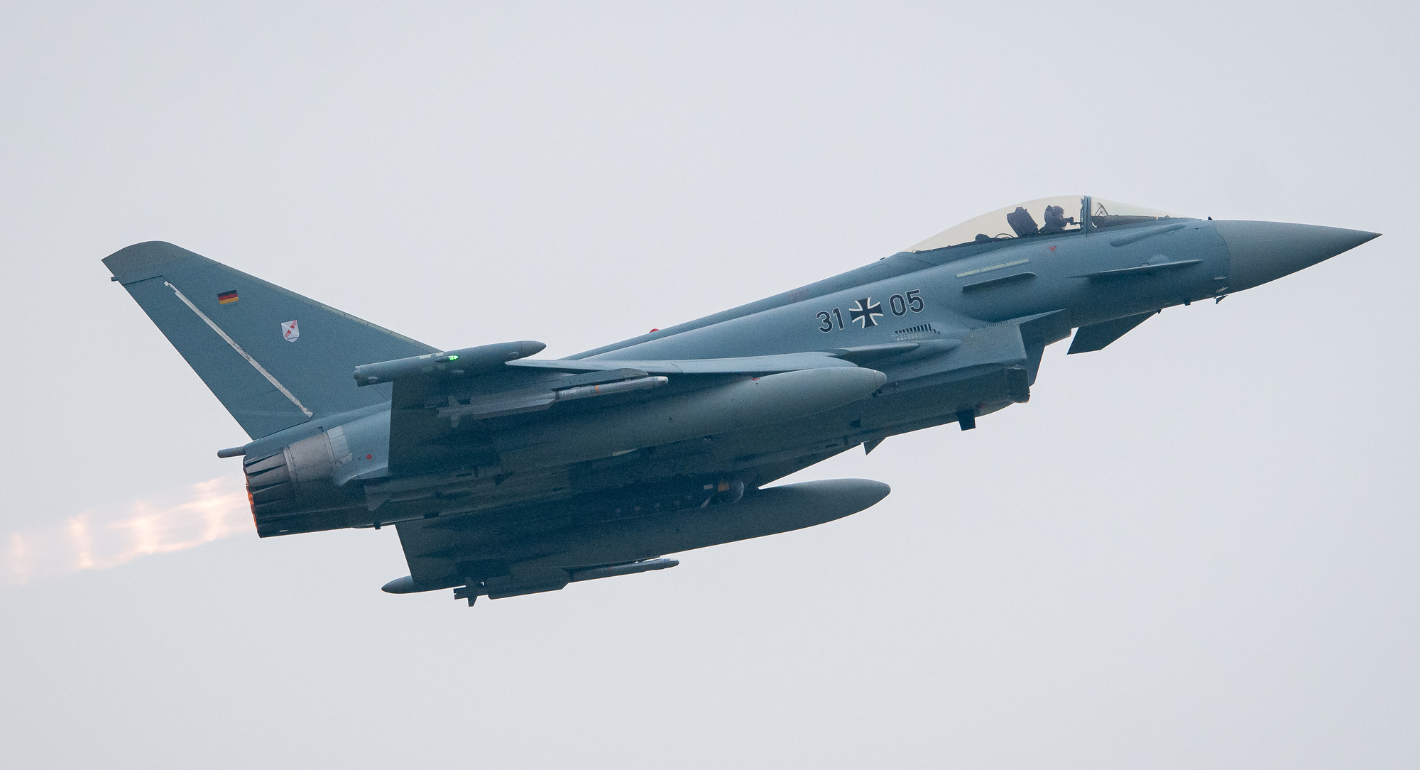
France and Germany’s failure to agree on the Future Combat Air System (FCAS) raises questions about European defense. Amid industrial rivalries and competing strategic cultures, what does the future of European military industrial projects look like?

Rym Momtaz, ed.
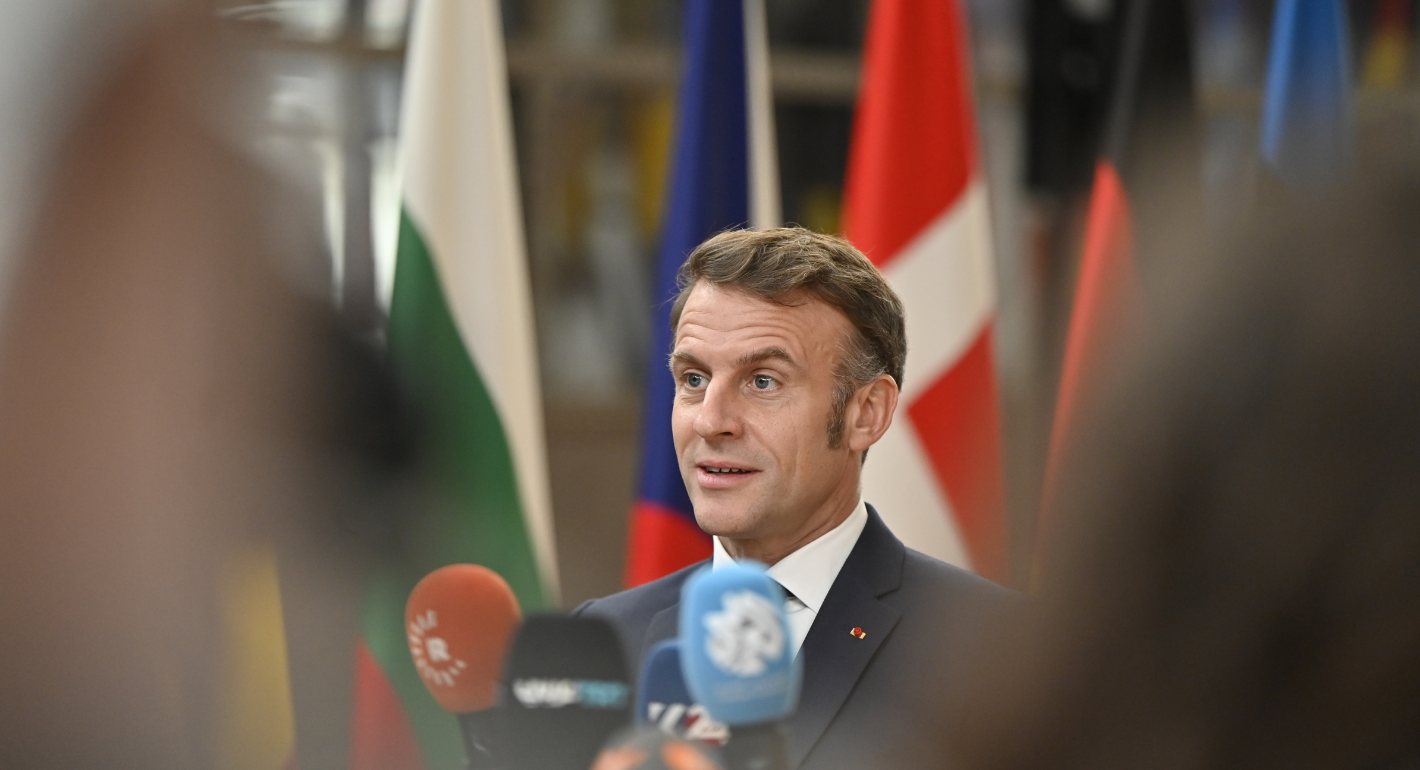
France has stopped clinging to notions of being a great power and is embracing the middle power moment. But Emmanuel Macron has his work cut out if he is to secure his country’s global standing before his term in office ends.
Rym Momtaz

Despite offering security benefits to candidates and the EU alike, the enlargement agenda appears stalled. Why is progress not being made, and is it time for Europe to rethink its approach?

Sylvie Goulard, Gerald Knaus
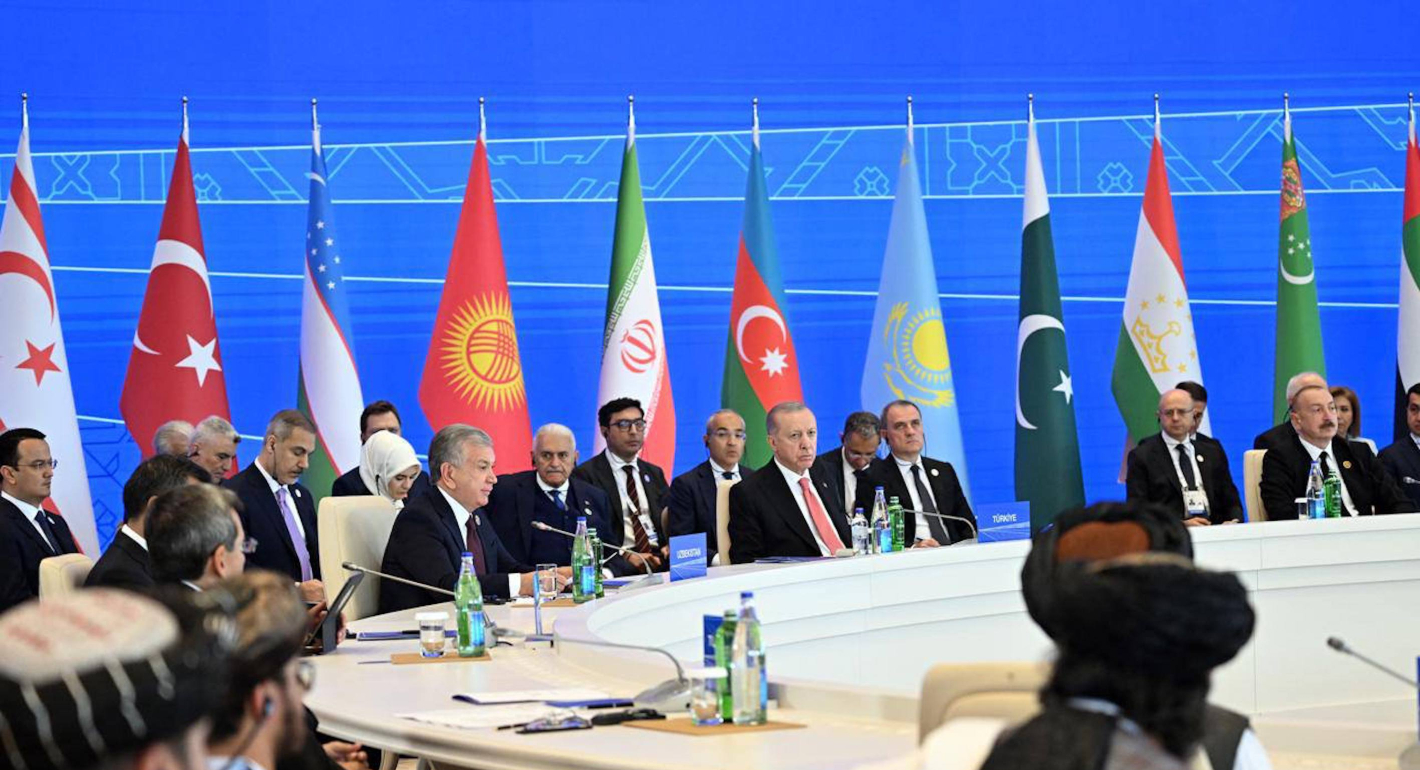
Over the past two decades, regional collaboration in the South Caucasus has intensified. Turkey and the EU should establish a cooperation framework to accelerate economic development and diversification.



Feride İnan, Güven Sak, Berat Yücel