

Other
Fiona Hill, Anatol Lieven, Thomas de Waal
{
  "authors": [
    "Anatol Lieven"
  ],
  "type": "other",
  "centerAffiliationAll": "dc",
  "centers": [
    "Carnegie Endowment for International Peace"
  ],
  "collections": [],
  "englishNewsletterAll": "ctw",
  "nonEnglishNewsletterAll": "",
  "primaryCenter": "Carnegie Endowment for International Peace",
  "programAffiliation": "russia",
  "programs": [
    "Russia and Eurasia"
  ],
  "projects": [],
  "regions": [
    "Middle East",
    "Israel"
  ],
  "topics": [
    "Security",
    "Military",
    "Foreign Policy"
  ]
}
REQUIRED IMAGE
Source: Carnegie
Like the Cold War, the war against terrorism will be a very long struggle in which ideological, political, and socioeconomic campaigns will be as important as military campaigns. Carnegie senior associate Anatol Lieven argues that, to achieve any kind of long-term success, the United States must combat not only the terrorist groups themselves, but also the wider movements that give them support and shelter. Furthermore, it is extremely important that U.S. policy makers learn the lessons of the Cold War. Above all, this means recognition of the ways in which various radical Islamist movements, like the communist movements of the past, are fueled by nationalism. Lieven writes that understanding this will help the United States to seek allies in the Muslim world and should also lead to new U.S. approaches to the Arab-Israeli peace process.
Click on link above for the full text of this Policy Brief.
About the Author
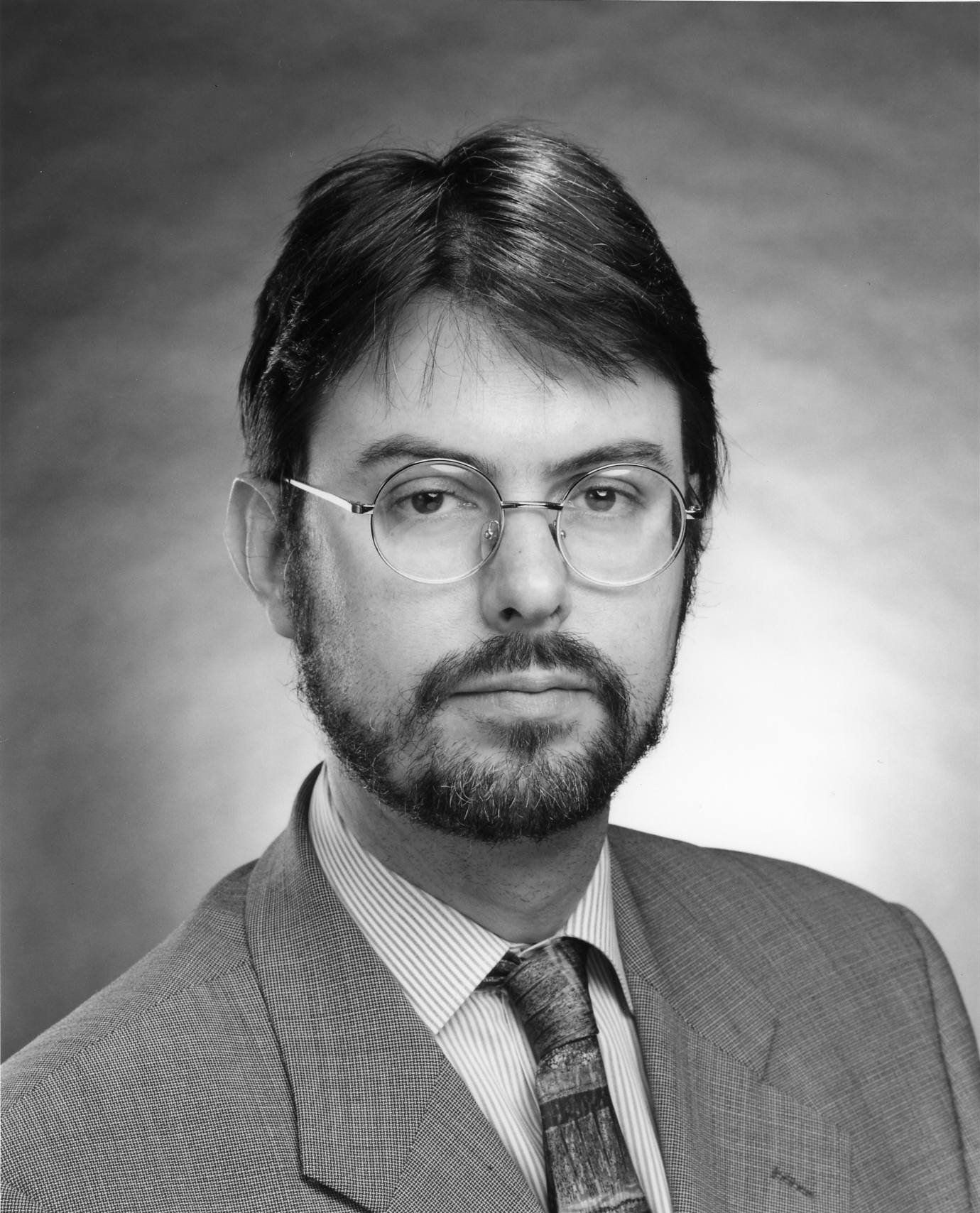
Anatol Lieven is senior associate for foreign and security policy in the Russian and Eurasian Program of the Carnegie Endowment. He was previously editor of Strategic Comments at the International Institute for Strategic Studies. Among his publications are Chechnya: Tombstone of Russian Power, The Baltic Revolution: Estonia, Latvia, Lithuania, and the Path to Independence, and Ukraine and Russia: A Fraternal Rivalry, which are largely based on his work as a correspondent for the Times of London in the former Soviet Union from 1990 to 1996. He was also correspondent for the Times in Pakistan and covered the Afghan war from the side of the anti-Soviet Mujahedin. He is also author of Soldiers Before Missiles: Meeting the Challenge from the World's Streets (Carnegie Policy Brief #4, 2001).
Former Senior Associate
Recent Work

Fiona Hill, Anatol Lieven, Thomas de Waal
Carnegie does not take institutional positions on public policy issues; the views represented herein are those of the author(s) and do not necessarily reflect the views of Carnegie, its staff, or its trustees.

The new U.S.–Denmark–Greenland agreement will help Washington exert political, economic, and financial dominance under the guise of security. Yet, it acknowledged Copenhagen’s and Nuuk’s sovereignty on the island.

Marc Pierini

A summer of escalation in the Black Sea has hurt Ukraine economically and is exacerbating world food security. A truce is needed—as is a broader reframing of Europe’s Ukraine strategy.
Thomas de Waal

Are Germany’s economic, industrial, and political struggles becoming a liability for the EU’s ability to rise to the geopolitical moment?

Rym Momtaz, ed.

European Commission President Ursula von der Leyen is about to give her annual address on the state of the EU. Here’s what she won’t—but should—say.
Rym Momtaz

The aftermath of the Ceuta crisis shows Europe has drawn the wrong lessons. Rather than doubling down on failed migration policies, the EU needs to address the underlying roots of such episodes.

Richard Youngs