

Q&A
- +2
Judy Dempsey, Alexander Gabuev, Rose Gottemoeller, …
{
  "authors": [
    "Rose Gottemoeller"
  ],
  "type": "legacyinthemedia",
  "centerAffiliationAll": "dc",
  "centers": [
    "Carnegie Endowment for International Peace"
  ],
  "collections": [
    "U.S. Nuclear Policy"
  ],
  "englishNewsletterAll": "ctw",
  "nonEnglishNewsletterAll": "",
  "primaryCenter": "Carnegie Endowment for International Peace",
  "programAffiliation": "russia",
  "programs": [
    "Russia and Eurasia",
    "Nuclear Policy"
  ],
  "projects": [],
  "regions": [
    "North America",
    "United States",
    "Caucasus",
    "Russia"
  ],
  "topics": [
    "Security",
    "Foreign Policy",
    "Nuclear Policy"
  ]
}
REQUIRED IMAGE
If Putin and Bush are able to drive forward on the agenda that they have set for themselves, then we will truly enter a new period of U.S.-Russian partnership. If they do not, then the relationship will drift, and we'll be left with the worst of all worlds -- informality without progress, casual friendship without results.
Source: Moscow Times
As President George W. Bush left Russia last month, his entourage breathed a combined sigh of relief and self-congratulation. "No more summits," they said, "This Moscow-Petersburg extravaganza will be the last of the Cold War type." From now on, the presidents of the United States and Russia can do without the pomp and ceremony. Soon Vladimir Putin will be sleeping in the Lincoln Bedroom after a night of watching the sports channel on Bush's private television. Or Bush will be bedding down at Putin's dacha after a stint in the banya. Such informality, the Bush team says, is more befitting a comfortable, friendly partnership. From summits to sleepovers, that's where we're headed.
But as anyone with kids will tell you, sleepovers lead to mayhem if they're not well-managed. One kid lets the hamster loose; another douses the clothes and puts them in the freezer; someone else starts a food fight. In children's parties, too much informality is a bad thing. It leads to unpredictability and unhappiness, not a fun time for all concerned.
The same might be said of international politics. I felt discomfort in Moscow after the summit, as Russian experts both in and out of government tried to reflect on its results. "Where do we go from here?" people kept asking.
I had to admit I didn't exactly know. Some important statements came out of the summit, on issues ranging from nonproliferation to energy cooperation and trade. Moreover, the "Treaty of Moscow," the much-heralded agreement to reduce strategic nuclear weapons, was signed, but loose ends are still hanging. In particular, the transparency measures that are needed to assure that nuclear warheads are no longer a threat must still be developed.
However, most of the people I spoke to in Washington wanted to avoid an organized process. The notion of new talks to finish up the transparency measures is especially anathema, given the Bush allergy to negotiations, barely overcome to achieve the new agreement. Equally troubling is the sense that no plan has been agreed on to move forward on implementing the summit agenda.
This reticence toward process is understandable. During his campaign, Bush pilloried the Clinton administration for too much process, in particular criticizing Vice President Al Gore for his regular series of meetings with the Russian prime minister. Too much bureaucracy, the Bush critique went, and too many meetings.
But the previous administration got results. Wide-ranging high-technology cooperation was developed. A comprehensive campaign was put in place to ensure that old Soviet nuclear, chemical and biological weapons don't end up in terrorist hands. All of the nearly 4,000 nuclear warheads in Ukraine, Kazakhstan and Belarus at the breakup of the Soviet Union came back to Russia to be destroyed, or safely redeployed. And slowly but surely, U.S. energy companies made progress in Russia, establishing the legal basis for such enormous projects as the Sakhalin II offshore oil venture in the Far East. These are only a few examples, but none of these efforts would have succeeded had the U.S. and Russian governments not applied themselves to a painstaking process.
Thus far, the Bush administration has no such record of accomplishment in its Russia policy. The first three meetings between the presidents were largely get-acquainted sessions; only the latest meeting in Moscow produced results. These include not only the nuclear arms control treaty, but also, in the joint declarations that were signed, a well-formulated work program ranging from energy and trade to regional cooperation, joint nonproliferation and anti-terrorism efforts. This agenda is clear and compelling; now it needs to be tackled.
For this, the Bush administration is going to have to overcome its distaste for process. The president need not embrace the approach that his predecessor took, but he is going to have to go beyond the handshake to manage and nurture the effort, both inside Washington and in discussions with the Russians. The same is true, of course, for Putin.
Informality is perhaps a good thing for presidents, but a bad one for governments. If Putin and Bush are able to drive forward on the agenda that they have set for themselves, then we will truly enter a new period of U.S.-Russian partnership. If they do not, then the relationship will drift, and we'll be left with the worst of all worlds -- informality without progress, casual friendship without results. It will be like a sleepover gone awry: Some kids go away mad, others go away unhappy, and all go away dissatisfied.

Nonresident Senior Fellow, Nuclear Policy Program
Rose Gottemoeller is a nonresident senior fellow in Carnegie’s Nuclear Policy Program. She also serves as lecturer at Stanford University’s Freeman Spogli Institute for International Studies and is a research fellow at the Hoover Institution. Ambassador Gottemoeller served as the deputy secretary general of NATO from 2016 to 2019.
Recent Work


Judy Dempsey, Alexander Gabuev, Rose Gottemoeller, …
Carnegie does not take institutional positions on public policy issues; the views represented herein are those of the author(s) and do not necessarily reflect the views of Carnegie, its staff, or its trustees.
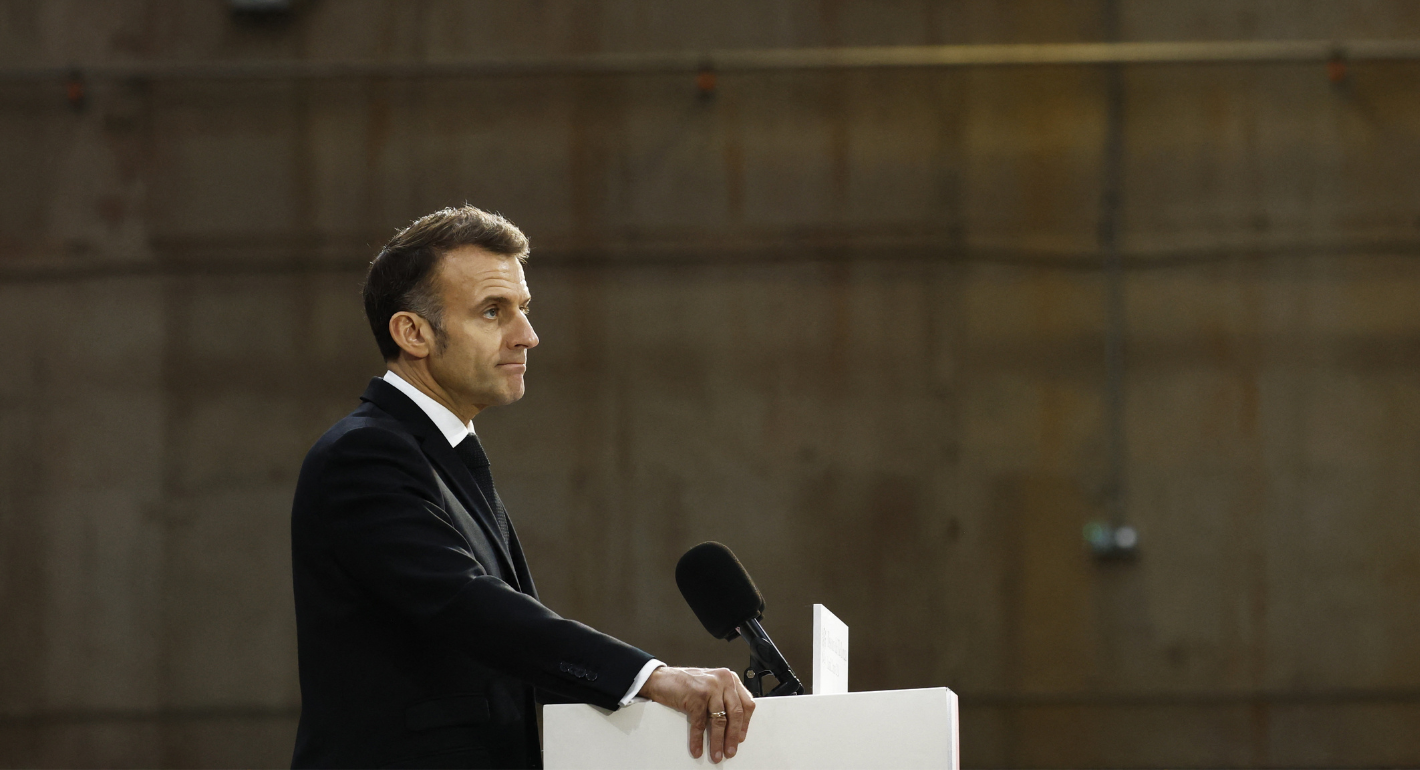
French President Emmanuel Macron has unveiled his country’s new nuclear doctrine. Are the changes he has made enough to reassure France’s European partners in the current geopolitical context?

Rym Momtaz, ed.
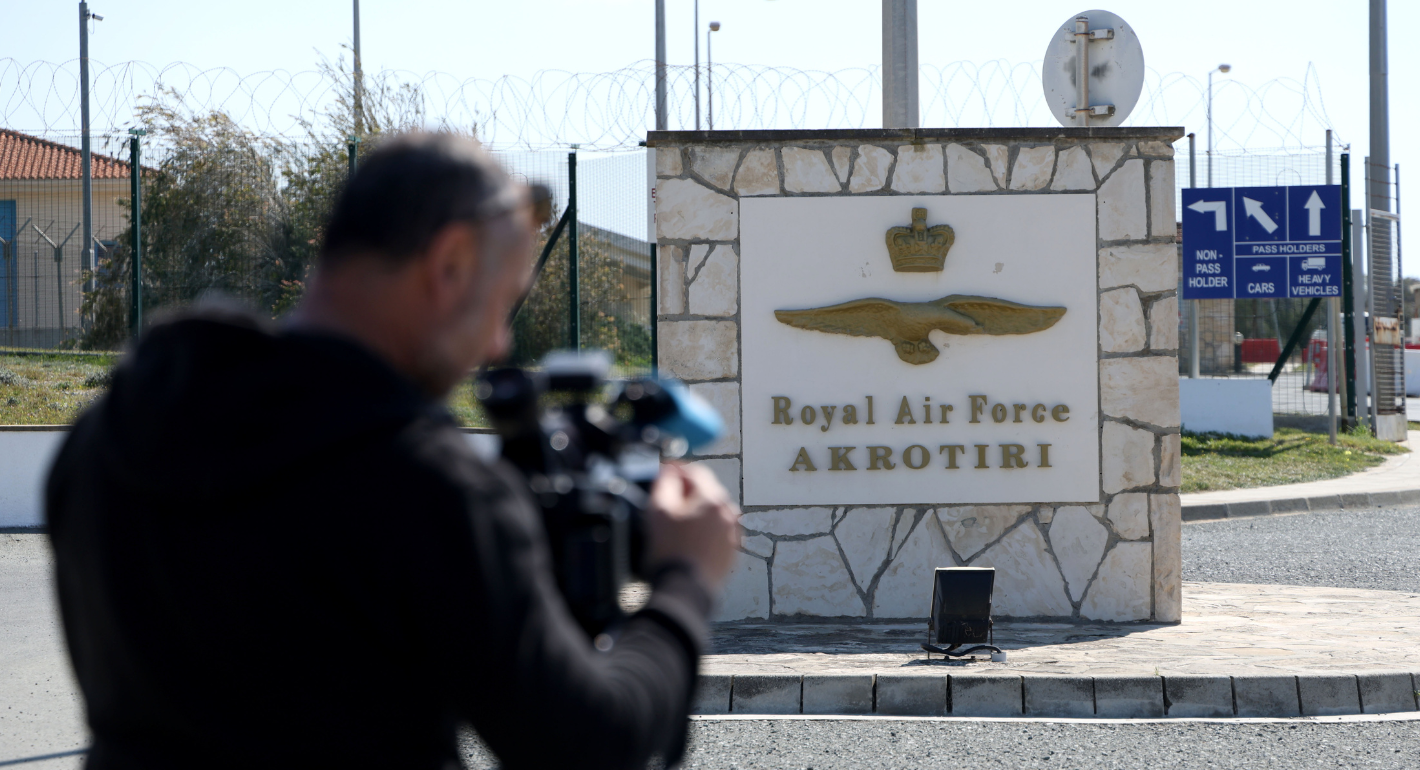
The drone strike on the British air base in Akrotiri brings Europe’s proximity to the conflict in Iran into sharp relief. In the fog of war, old tensions in the Eastern Mediterranean risk being reignited, and regional stakeholders must avoid escalation.

Marc Pierini
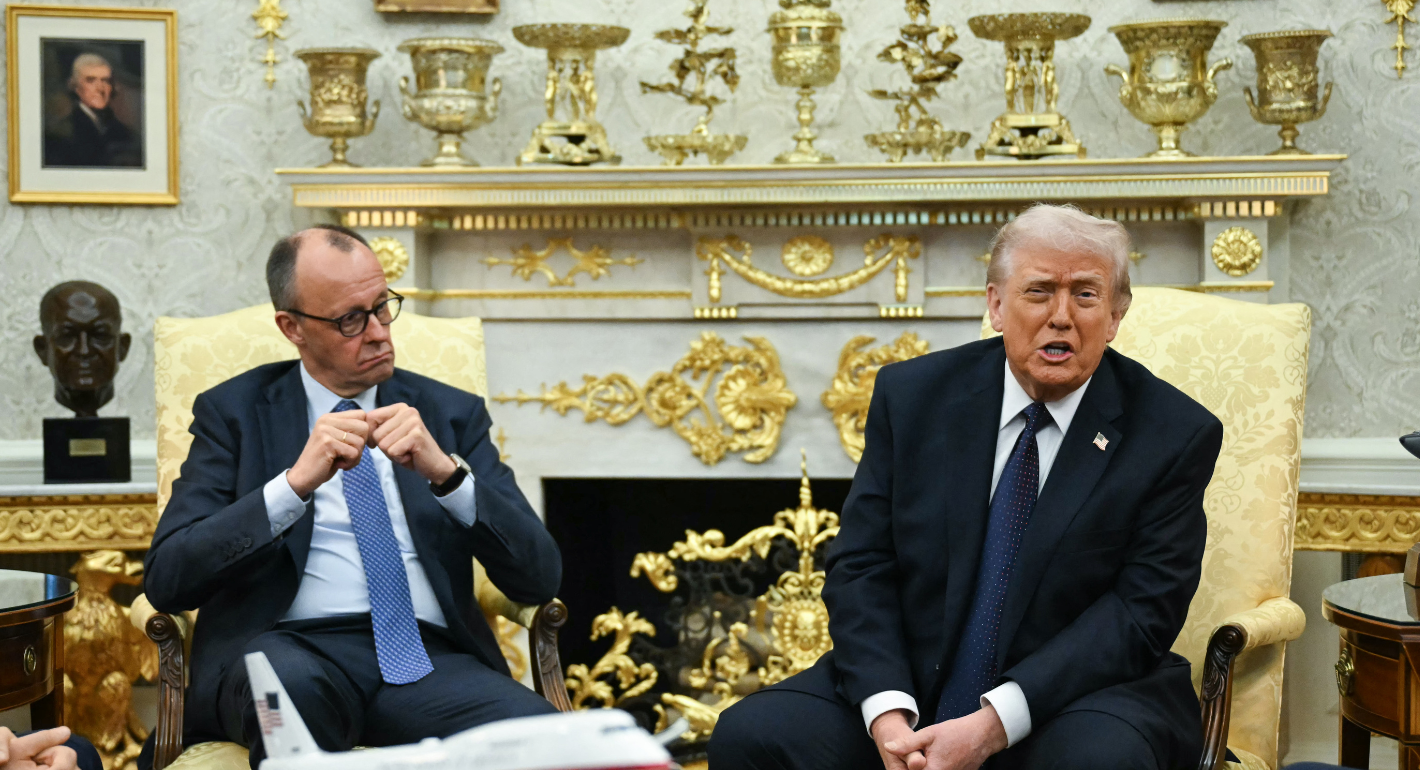
European reactions to the war in Iran have lost sight of wider political dynamics. The EU must position itself for the next phase of the crisis without giving up on its principles.

Richard Youngs
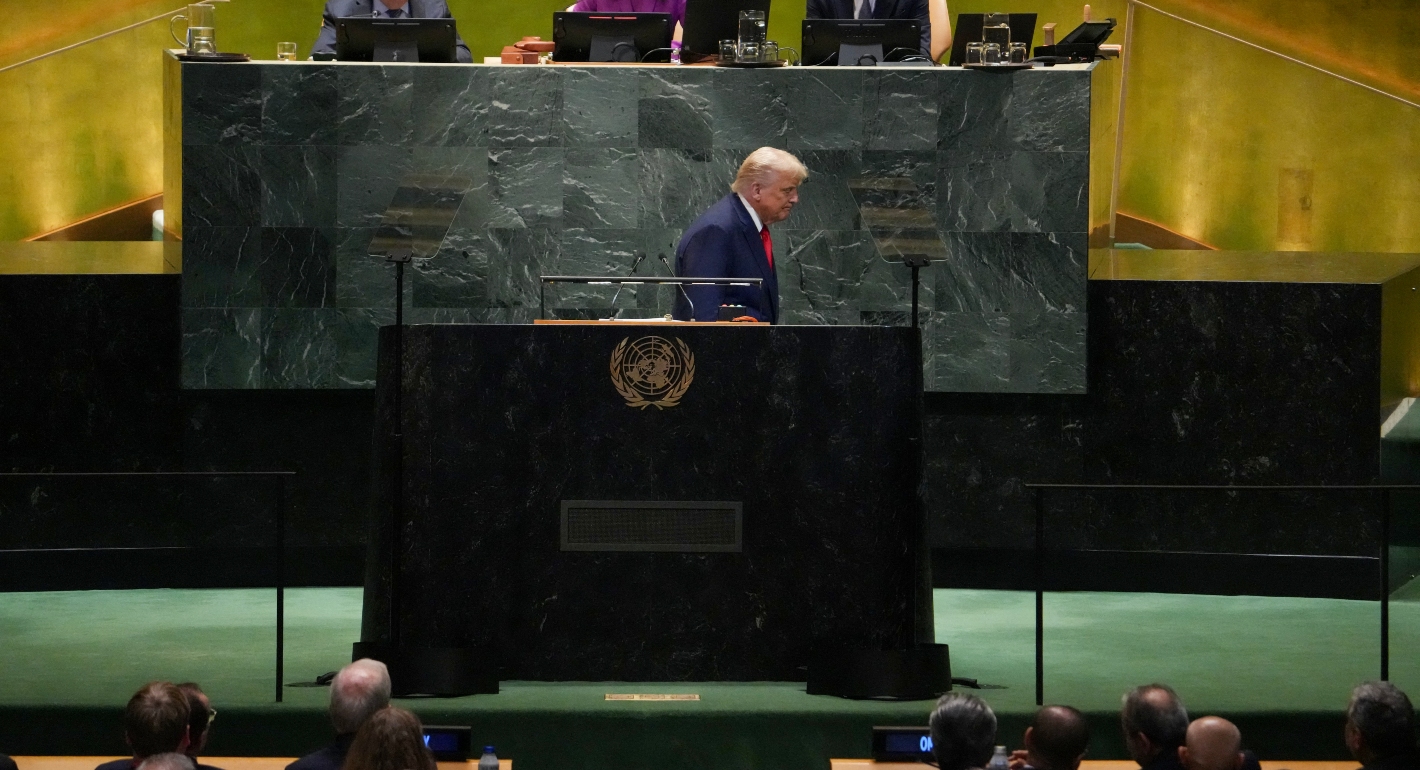
For years, the United States anchored global cyber diplomacy. As Washington rethinks its leadership role, the launch of the UN’s Cyber Global Mechanism may test how allies adjust their engagement.

Patryk Pawlak, Chris Painter
Europe isn’t as weak in the new geopolitics of power as many would believe. But to leverage its assets and claim a sphere of influence, Brussels must stop undercutting itself.

Dimitar Bechev