

Report
- +2
George Perkovich, Jessica Tuchman Mathews, Joseph Cirincione, …
{
  "authors": [
    "Jon Wolfsthal"
  ],
  "type": "legacyinthemedia",
  "centerAffiliationAll": "dc",
  "centers": [
    "Carnegie Endowment for International Peace"
  ],
  "collections": [
    "Korean Peninsula"
  ],
  "englishNewsletterAll": "ctw",
  "nonEnglishNewsletterAll": "",
  "primaryCenter": "Carnegie Endowment for International Peace",
  "programAffiliation": "NPP",
  "programs": [
    "Nuclear Policy"
  ],
  "projects": [],
  "regions": [
    "South Korea"
  ],
  "topics": [
    "Foreign Policy",
    "Nuclear Policy"
  ]
}
REQUIRED IMAGE
Source: Carnegie
By Jon Wolfsthal, Deputy Director, Non-Proliferation Project
Originally appeared in the International Herald Tribune, February 6, 2003
International efforts to prevent the spread of nuclear weapons are based on a simple idea: Keep countries or terrorists bent on getting such weapons from acquiring the plutonium and uranium needed to make them. But the system has a flaw. It assumes that when a country does try to produce weapons, other states will act to prevent that from happening.
In the case of North Korea, the world's leading nonproliferation advocate, the United States, has decided to stand by.
To defuse the crisis, Washington should abandon the failing policy of confronting and isolating Pyongyang and instead pursue a negotiated settlement.
North Korea is responsible for creating this crisis, which threatens to spark a nuclear arms race in East Asia. Crisis is exactly what Pyongyang wants. It has a long history of exploiting tensions to improve its negotiating leverage.
Washington's distaste for being blackmailed is understandable. But standing on principle and refusing to negotiate threaten U.S. security interests. Sometimes, to protect vital interests, governments need to make concessions.
At the very least, to prevent North Korea from starting serial production of nuclear weapons the United States should test the possibility that Pyongyang's programs can be bought. Such talk may be unpleasant, but negotiations might be successful in preventing a very dangerous pattern of nuclear proliferation.
The crisis today is similar to the one the United States and its allies faced in 1994, when North Korea was on the verge of producing its first nuclear weapon. Having sought to engage the North for several years, America was in a strong position with its allies to take protective measures, such as increasing its military deployments in South Korea. This balanced approach of proposing talks while showing resolve and strength made North Korean officials "blink first" and offer a negotiated way out of the crisis.
It is clear that threatening and isolating North Korea will not prevent it from going nuclear. Pyongyang was confronted over its secret uranium program in October. It then ejected international inspectors and is now moving to purify its stocks of plutonium, enough to make five or six nuclear weapons.
Having pursued a confrontational approach toward Pyongyang, in conflict with the preferences of U.S. allies in the region, the Bush administration lacks the ability to pursue a similar strategy now that the 1994 crisis is repeating itself.
With little credibility in South Korea and Japan, due in part to its strong rhetoric, the United States is faced with two possible choices: admit that confrontation has failed and seek to negotiate under threat of blackmail, or do nothing and watch North Korea become the next nuclear weapon state.
Presidents hate to admit that they are wrong. But George W. Bush changed course by accepting the need for a Homeland Security Department and nation-building in Afghanistan. He should now change course on North Korea. Unfortunately, there is no sign that the hard-liners in the administration are ready to accept defeat. Locked into a battle of wills and a posture of principle, the administration is boxed in by its own rhetoric. There is still a slim chance that a serious effort to negotiate could head off or at least re-freeze North Korea's nuclear activities. But Bush administration officials maintain that the ball is in North Korea's court.
Pyongyang is clearly ready to develop nuclear weapons, and that could spur South Korea and Japan to follow suit.
The writer is deputy director of the Carnegie Nonproliferation Project and
co-author of "Deadly Arsenals: Tracking Weapons of Mass Destruction."
He is a former official at the U.S. Department of Energy who served as an on-site
government monitor at North Korea's nuclear complex at Yongbyon.
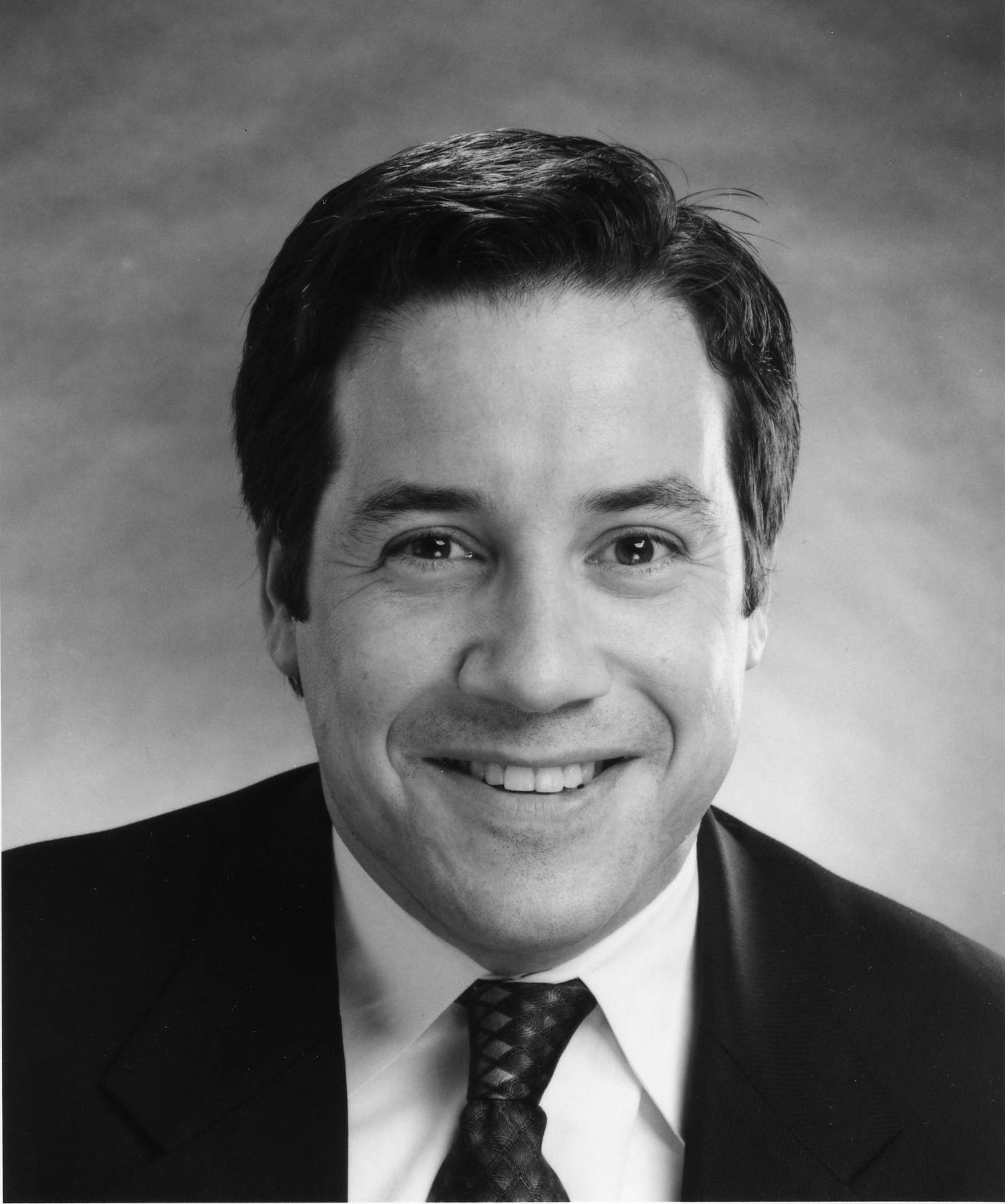
Former Nonresident Scholar, Nuclear Policy Program
Jon Wolfsthal was a nonresident scholar with the Nuclear Policy Program.
Recent Work



George Perkovich, Jessica Tuchman Mathews, Joseph Cirincione, …
Jon Wolfsthal
Carnegie does not take institutional positions on public policy issues; the views represented herein are those of the author(s) and do not necessarily reflect the views of Carnegie, its staff, or its trustees.

European Commission President Ursula von der Leyen is about to give her annual address on the state of the EU. Here’s what she won’t—but should—say.

Rym Momtaz

The aftermath of the Ceuta crisis shows Europe has drawn the wrong lessons. Rather than doubling down on failed migration policies, the EU needs to address the underlying roots of such episodes.

Richard Youngs

Canadian Prime Minister Mark Carney has twice inspired praise for standing up to U.S. President Donald Trump: at the 2026 World Economic Forum in Davos and on Canada-U.S. trade negotiations. Is Carney showing a third way better than the EU has in dealing with the Trump administration?
Rym Momtaz, ed.

The EU’s responses to two recent incidents expose the gulf between European perceptions and capabilities. Unless the union can bridge that gap, it will never become a real geostrategic power.
Rym Momtaz

European states control several Overseas Countries and Territories around the world that carry strategic, economic, and environmental weight. As great powers challenge the rules-based order, defending them is a geopolitical imperative for Europe.

Marc Pierini