

In The Media
Minxin Pei
{
  "authors": [
    "Minxin Pei"
  ],
  "type": "legacyinthemedia",
  "centerAffiliationAll": "dc",
  "centers": [
    "Carnegie Endowment for International Peace"
  ],
  "collections": [],
  "englishNewsletterAll": "asia",
  "nonEnglishNewsletterAll": "",
  "primaryCenter": "Carnegie Endowment for International Peace",
  "programAffiliation": "AP",
  "programs": [
    "Asia",
    "Democracy, Conflict, and Governance"
  ],
  "projects": [],
  "regions": [
    "United States",
    "Middle East",
    "Iraq"
  ],
  "topics": [
    "Political Reform",
    "Democracy",
    "Economy",
    "Military",
    "Foreign Policy"
  ]
}
REQUIRED IMAGE
Source: Carnegie
THE PARADOXES OF AMERICAN NATIONALISM
Foreign Policy magazine, May/June 2003
Full
text (PDF format)
Summary
As befits a nation of immigrants, American Nationalism is defined not by notions
of ethnic superiority, but by a belief in the supremacy of U.S. democratic ideals.
This disdain for Old World nationalism creates a dual paradox in the American
psyce First, despite this nationalistic fervor, U.S. policymakers generally
fail to appreciate the power of nationalism abroad.
About the Author
Minxin Pei is senior associate and codirector of the Endowment's
China Program. He is the author of From Reform to Revolution: The Demise
of Communism in China and the Soviet Union (Harvard University Press, 1994)
and China's Trapped Transition: The Limits of Developmental Autocracy
(Harvard University Press, forthcoming).
Also by Minxin Pei:
Lessons From
The Past: The American Record of Nation Building(Carnegie Endowment
Policy Brief No. 24)
Beijing Drama:
China's Governance Crisis and Bush's New Challenge (Carnegie Endowment
Policy Brief No. 21)
Rebalancing
United States—China Relations (Carnegie Endowment Policy Brief
No. 13), coauthored with Michael
Swaine
Future
Shock: The WTO and Political Change in China (Carnegie Endowment Policy
Brief No. 3)
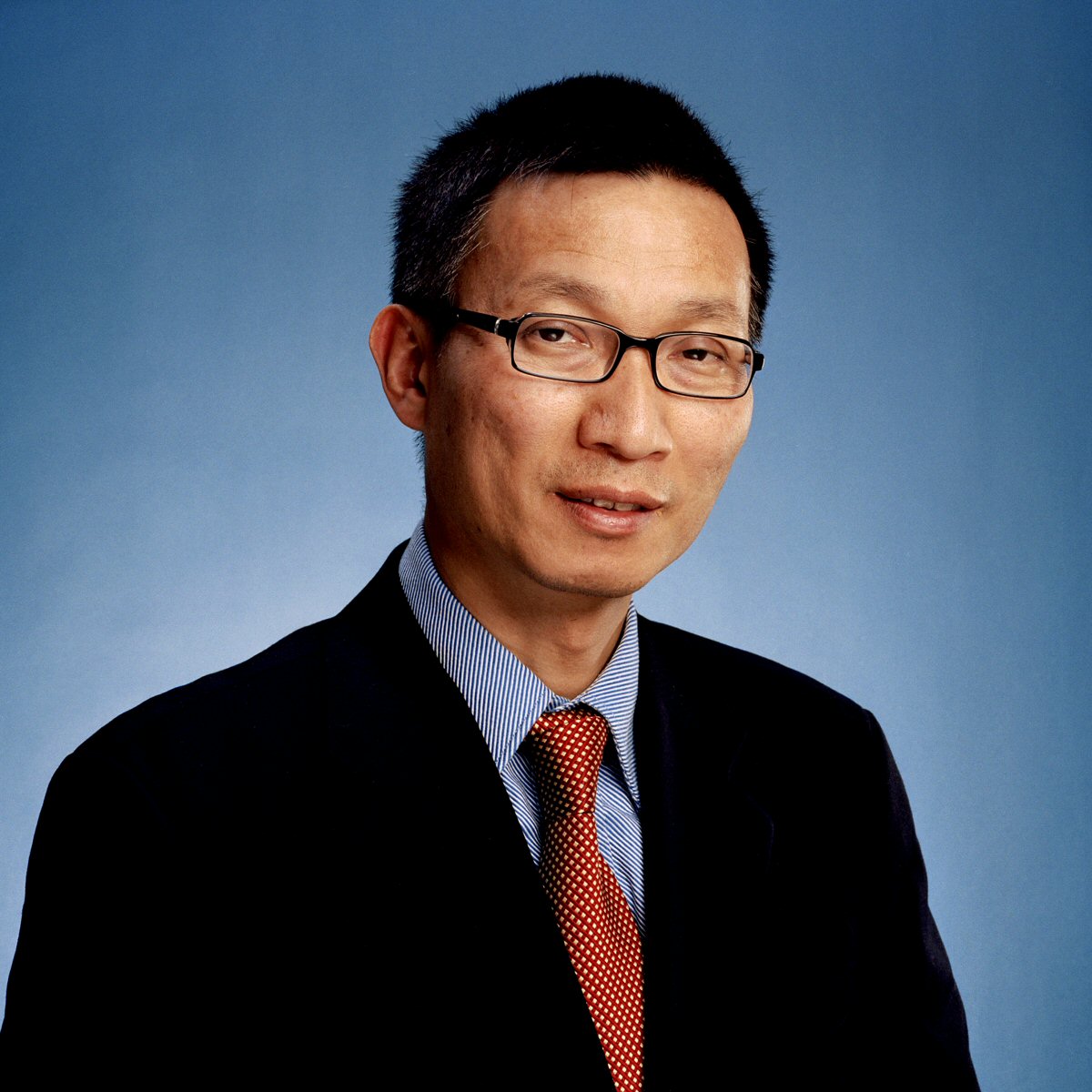
Former Adjunct Senior Associate, Asia Program
Pei is Tom and Margot Pritzker ‘72 Professor of Government and the director of the Keck Center for International and Strategic Studies at Claremont McKenna College.
Recent Work
Minxin Pei
Minxin Pei
Carnegie does not take institutional positions on public policy issues; the views represented herein are those of the author(s) and do not necessarily reflect the views of Carnegie, its staff, or its trustees.

Are Germany’s economic, industrial, and political struggles becoming a liability for the EU’s ability to rise to the geopolitical moment?

Rym Momtaz, ed.

European Commission President Ursula von der Leyen is about to give her annual address on the state of the EU. Here’s what she won’t—but should—say.
Rym Momtaz

Radical-right parties are expected to do well in upcoming elections in four of the EU's biggest member states. If successful, they could prevent the union from addressing key challenges ahead.

Stefan Lehne

The aftermath of the Ceuta crisis shows Europe has drawn the wrong lessons. Rather than doubling down on failed migration policies, the EU needs to address the underlying roots of such episodes.

Richard Youngs

An overwhelming victory by a far-right-wing party in a small state in eastern Germany will have major repercussions for Chancellor Friedrich Merz’s coalition.

Judy Dempsey