

Commentary
Ahead of a tough winter for Ukraine, Donald Trump’s swing back toward Russia bodes ill. But instead of panicking, Kyiv’s European allies are focusing on action.
Rym Momtaz
{
  "authors": [
    "Marina Ottaway",
    "Amr Hamzawy"
  ],
  "type": "other",
  "centerAffiliationAll": "dc",
  "centers": [
    "Carnegie Endowment for International Peace"
  ],
  "collections": [],
  "englishNewsletterAll": "democracy",
  "nonEnglishNewsletterAll": "",
  "primaryCenter": "Carnegie Endowment for International Peace",
  "programAffiliation": "DCG",
  "programs": [
    "Democracy, Conflict, and Governance",
    "Middle East"
  ],
  "projects": [],
  "regions": [
    "Middle East"
  ],
  "topics": [
    "Political Reform",
    "Democracy",
    "Economy",
    "Foreign Policy"
  ]
}
REQUIRED IMAGE
Although the United States and Europe share in interest in promoting political reform in the Middle East, they have not yet worked out whether they can work productively together on this task. Recent efforts to forge joint initiatives have demonstrated a tendency to devolve into lowest common denominator approaches that generate only lukewarm commitment.
Although the United States and Europe share in interest in promoting political reform in the Middle East, they have not yet worked out whether they can work productively together on this task. Recent efforts to forge joint initiatives have demonstrated a tendency to devolve into lowest common denominator approaches that generate only lukewarm commitment. A better way forward is for the United States and Europe to pursue separate but complementary policies that emphasize the respective strengths of each side—in the case of the United States, its power, in the case of Europe, its credibility in the Arab world.
Click link at right for full text.
Click on the link above for the full text of this Policy Outlook.
About the Authors
Marina Ottaway is a senior associate in the Democracy and Rule of Law Project at the Carnegie Endowment for International Peace. She works on problems of democratization and post-conflict transitions.
Amr Hamzawy is a senior associate in the Democracy and Rule of Law Project at the Carnegie Endowment for International Peace. He works on issues of political reform in the Middle East.
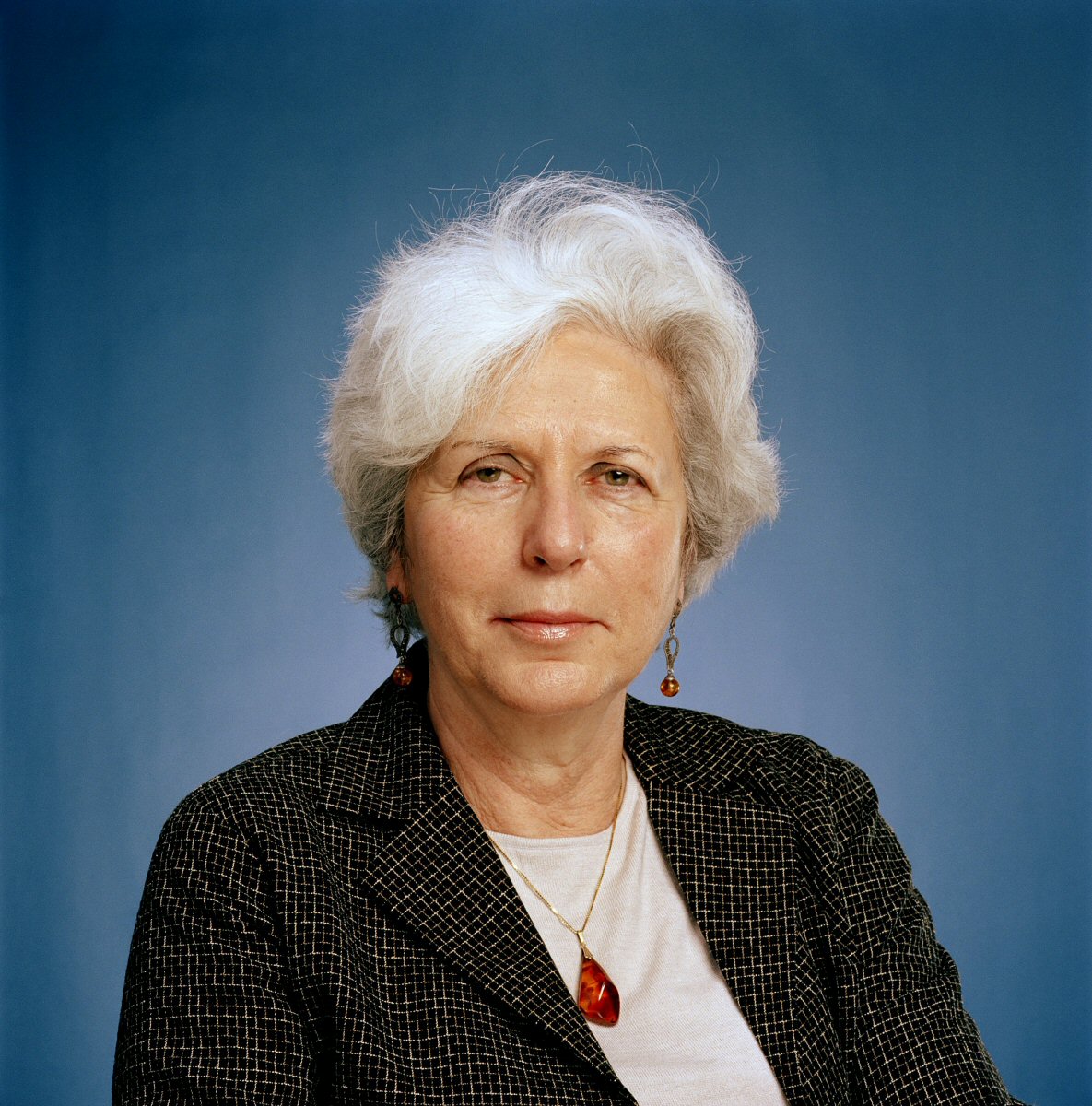
Former Senior Associate, Middle East Program
Before joining the Endowment, Ottaway carried out research in Africa and in the Middle East for many years and taught at the University of Addis Ababa, the University of Zambia, the American University in Cairo, and the University of the Witwatersrand in South Africa.

Director, Middle East Program
Amr Hamzawy is a senior fellow and the director of the Carnegie Middle East Program. His research and writings focus on Egypt’s and other middle powers’ involvement in regional security in the Middle East, particularly through collective diplomacy and multilateral conflict resolution
Carnegie does not take institutional positions on public policy issues; the views represented herein are those of the author(s) and do not necessarily reflect the views of Carnegie, its staff, or its trustees.

Ahead of a tough winter for Ukraine, Donald Trump’s swing back toward Russia bodes ill. But instead of panicking, Kyiv’s European allies are focusing on action.

Rym Momtaz

Funding Ukraine remains a priority for European leaders. As Russia’s war of aggression heads into another winter, two feasible options to mobilize support for Kyiv should be fast-tracked.


Vladyslav Rashkovan, Gregory P. Wilson

While the EU and European governments are embracing the much-lauded middle-power moment, this entails three difficult conundrums.

Richard Youngs

A notable degree of participative democracy has firmly arrived in Europe. But to have more far-reaching impact, democratic deliberation needs to move into a radically new phase.
Richard Youngs

Much has been said of the changes Brussels is trying to make to the EU enlargement process. Here’s why gradual integration might—or might not—be the answer.

Dimitar Bechev