

Commentary
Funding Ukraine remains a priority for European leaders. As Russia’s war of aggression heads into another winter, two feasible options to mobilize support for Kyiv should be fast-tracked.
Vladyslav Rashkovan, Gregory P. Wilson
{
  "authors": [
    "Karla Hoff",
    "Shale Horowitz",
    "Branko Milanovic"
  ],
  "type": "other",
  "centerAffiliationAll": "dc",
  "centers": [
    "Carnegie Endowment for International Peace"
  ],
  "collections": [],
  "englishNewsletterAll": "ctw",
  "nonEnglishNewsletterAll": "",
  "primaryCenter": "Carnegie Endowment for International Peace",
  "programAffiliation": "russia",
  "programs": [
    "Russia and Eurasia",
    "Democracy, Conflict, and Governance"
  ],
  "projects": [],
  "regions": [
    "Caucasus",
    "Russia",
    "Eastern Europe",
    "Ukraine",
    "Belarus"
  ],
  "topics": [
    "Economy",
    "Trade"
  ]
}
REQUIRED IMAGE
The most direct way to break the grip of inefficient, self-serving interests on state power is through the election of new political players not beholden to the same interest groups that supported their predecessors. This is true regardless of political bent and is demonstrated by recent history in postcommunist Eastern Europe.
Source: Carnegie Endowment
The most direct way to break the grip of inefficient, self-serving interests on state power is through the election of new political players not beholden to the same interest groups that supported their predecessors. This is true regardless of political bent and is demonstrated by recent history in postcommunist Eastern Europe. A new policy outlook by Karla Hoff, Shale Horowitz, and Carnegie senior associate Branko Milanovic proves this theory empirically.
Click on the link above for the full text of this Policy Outlook.
About the Authors
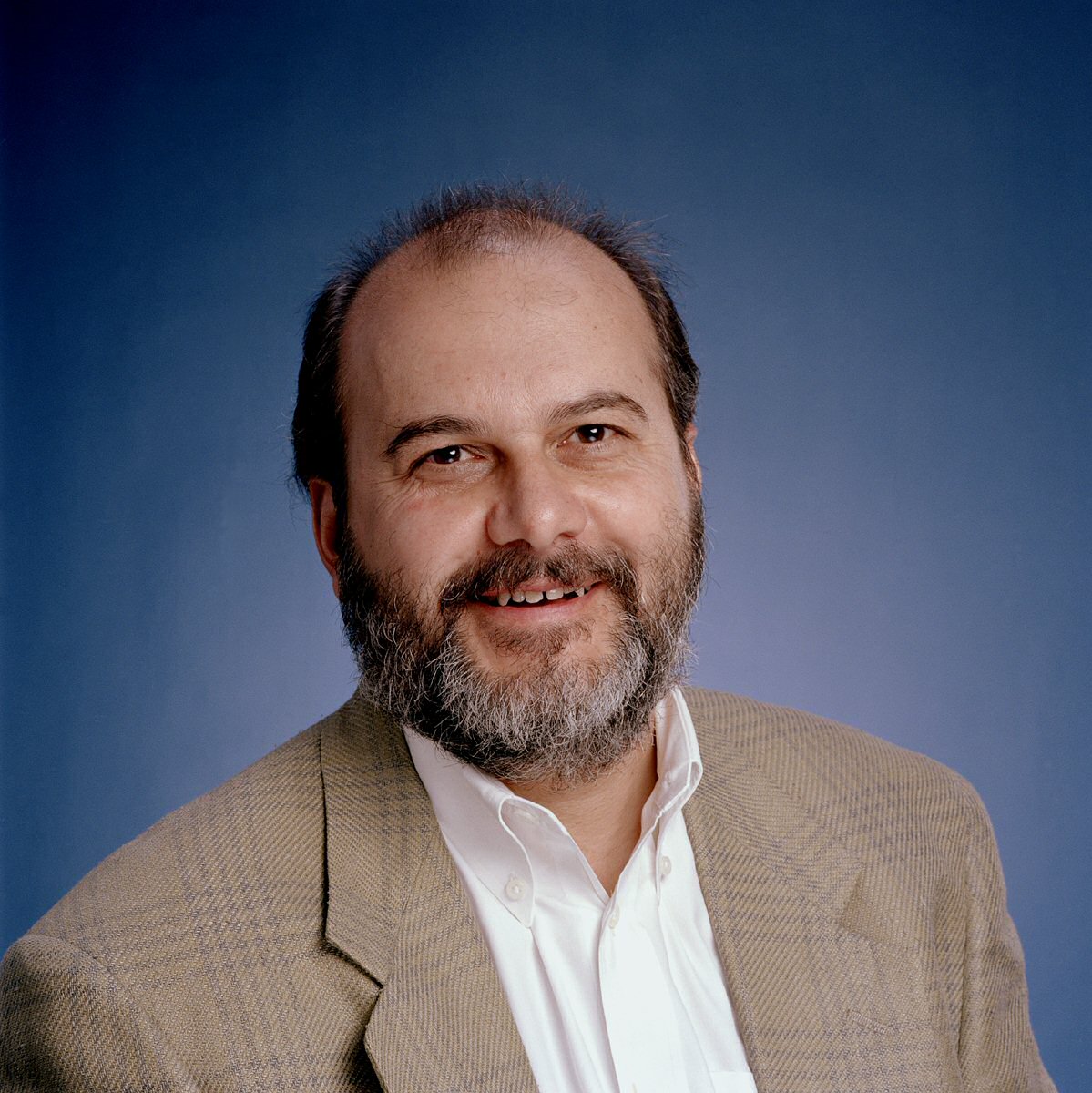
Karla Hoff is a senior research economist at the World Bank. Shale Horowitz is associate professor in political science at the University of Wisconsin at Milwaukee. Branko Milanovic is a senior associate at the Carnegie Endowment for International Peace.
Karla Hoff
Shale Horowitz
Former Adjunct Scholar
Milanovic is a lead economist in the World Bank's research department,where he has been working on the topics of income inequality and globalization. Previously, he was a World Bank country economist for Poland and a research fellow at the Institute of Economic Sciences in Belgrade.

Funding Ukraine remains a priority for European leaders. As Russia’s war of aggression heads into another winter, two feasible options to mobilize support for Kyiv should be fast-tracked.


Vladyslav Rashkovan, Gregory P. Wilson

Europe is facing rising populism internally as well as external pressures from Russia, China, Turkey, and the United States.

Dimitar Bechev

Much has been said of the changes Brussels is trying to make to the EU enlargement process. Here’s why gradual integration might—or might not—be the answer.
Dimitar Bechev

The European Commissioner for Trade is headed to China. But after President Xi’s bridge-building visit to Washington, can a more isolated EU overcome Beijing’s stranglehold on critical raw materials? Who will blink first?

Rym Momtaz, ed.

The domestic impacts of how long it is taking to end the war in Ukraine have pushed the French electorate to the political extremes and compromised the country’s diplomatic capacity.
Rym Momtaz