

Paper
Ashley J. Tellis
{
  "authors": [
    "Ashley J. Tellis"
  ],
  "type": "other",
  "centerAffiliationAll": "dc",
  "centers": [
    "Carnegie Endowment for International Peace"
  ],
  "collections": [],
  "englishNewsletterAll": "",
  "nonEnglishNewsletterAll": "",
  "primaryCenter": "Carnegie Endowment for International Peace",
  "programAffiliation": "SAP",
  "programs": [
    "South Asia"
  ],
  "projects": [],
  "regions": [
    "South Asia",
    "India",
    "Pakistan"
  ],
  "topics": [
    "Political Reform",
    "Democracy"
  ]
}
REQUIRED IMAGE
The widely noted decision to resume F-16 sales to Pakistan and, even more, the largely ignored commitment to assist India’s growth in power represent a new U.S. strategy toward South Asia. By expanding relations with both states in a differentiated way matched to their geostrategic weights, the Bush administration seeks to assist Pakistan in becoming a successful state while it enables India to secure a troublefree ascent to great-power status. These objectives will be pursued through a large economic and military assistance package to Islamabad and through three separate dialogues with New Delhi that will review various challenging issues such as civil nuclear cooperation, space, defense coproduction, regional and global security, and bilateral trade. This innovative approach to India and Pakistan is welcome—and long overdue in a strategic sense—but it is not without risks to the United States, its various regional relationships, and different international regimes.
Click on link above for the full text of this Policy Brief.
About the Author
Ashley J.Tellis is a senior associate at the Carnegie Endowment for International Peace in Washington, D.C. Previously, he served as senior adviser to the ambassador at the embassy of the United States in India. He also served on the National Security Council staff as special assistant to the president and senior director for strategic planning and Southwest Asia. Before his government service, he was for eight years a senior policy analyst at RAND and professor of policy analysis at the RAND graduate school. He is the author of India’s Emerging Nuclear Posture and co-author of Interpreting China’s Grand Strategy. He has co-edited Strategic Asia 2004-05: Confronting Terrorism in the Pursuit of Power and Strategic Asia 2005-06: Military Modernization in an Era of Uncertainty.
Former Senior Fellow
Ashley J. Tellis was a senior fellow at the Carnegie Endowment for International Peace.
Recent Work
Ashley J. Tellis
Ashley J. Tellis
Carnegie does not take institutional positions on public policy issues; the views represented herein are those of the author(s) and do not necessarily reflect the views of Carnegie, its staff, or its trustees.

New thinking is needed on how global civil society can be protected. In an era of major-power rivalry, competitive geopolitics, and security primacy, civil society is in danger of getting squeezed – in some countries, almost entirely out of existence.

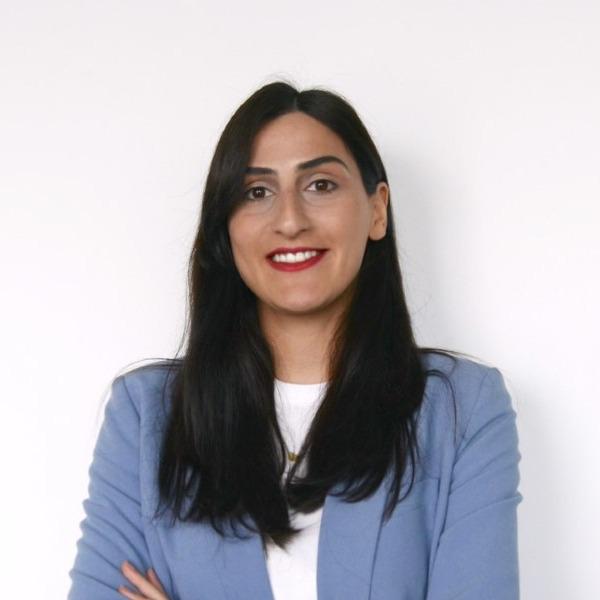
Richard Youngs, ed., Elene Panchulidze, ed.
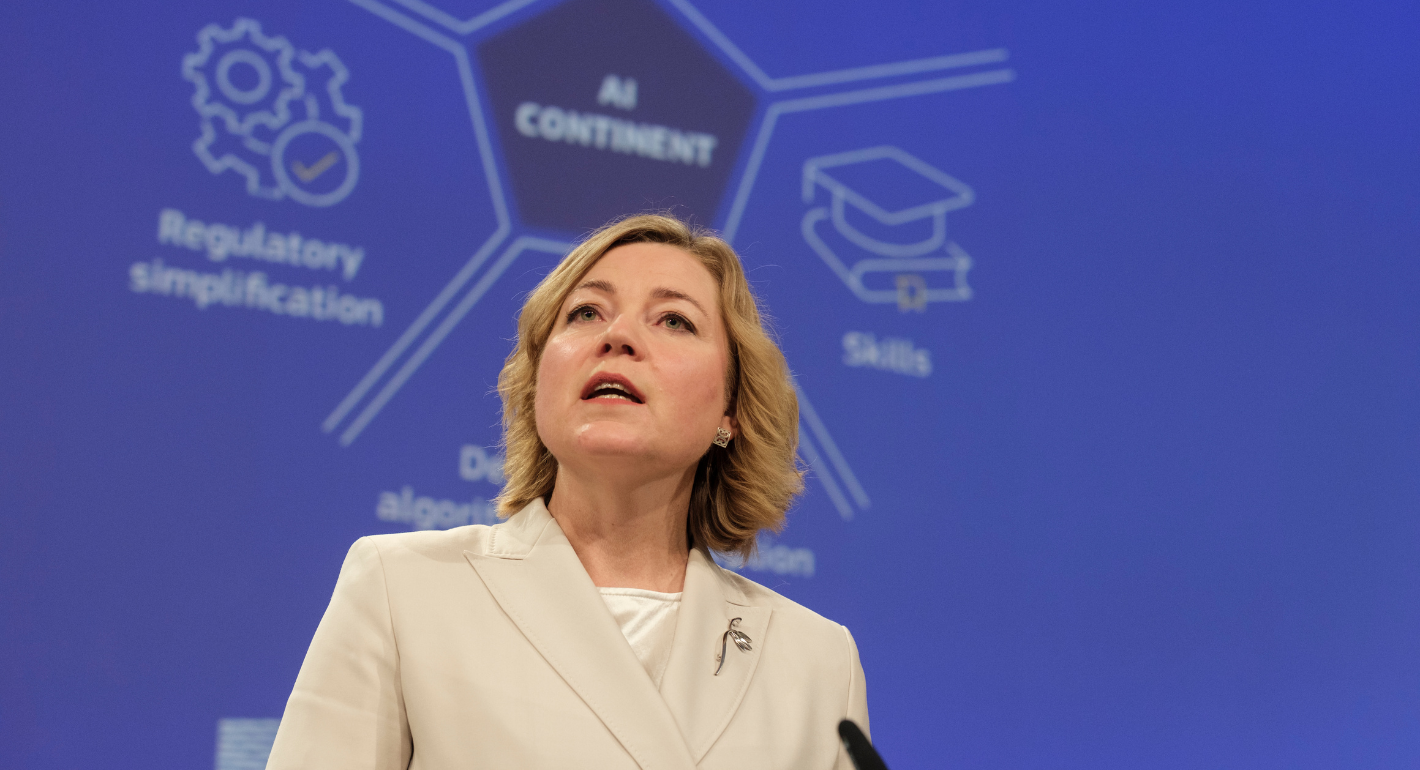
Integrating AI into the workplace will increase job insecurity, fundamentally reshaping labor markets. To anticipate and manage this transition, the EU must build public trust, provide training infrastructures, and establish social protections.

Amanda Coakley
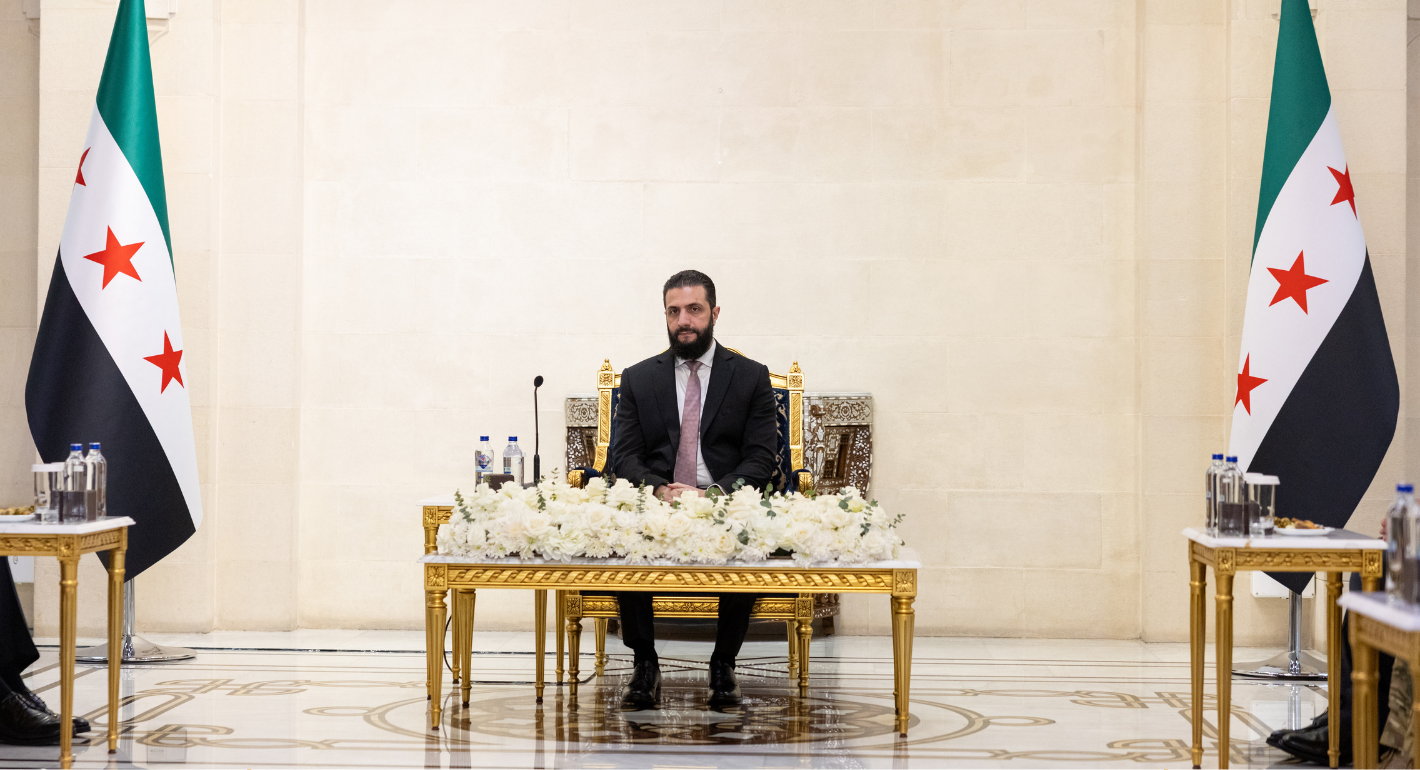
Europe’s interests in Syria extend beyond migration management, yet the EU trails behind other players in the country’s post-Assad reconstruction. To boost its influence in Damascus, the union must upgrade its commitment to ensuring regional stability.

Bianka Speidl, Hanga Horváth-Sántha

European democracy support strategy in 2025 prioritized protecting democratic norms within Europe. This signals the start of a structural recalibration of the EU’s approach to democracy support.


Richard Youngs, ed., Elena Viudes Egea, Zselyke Csaky, …
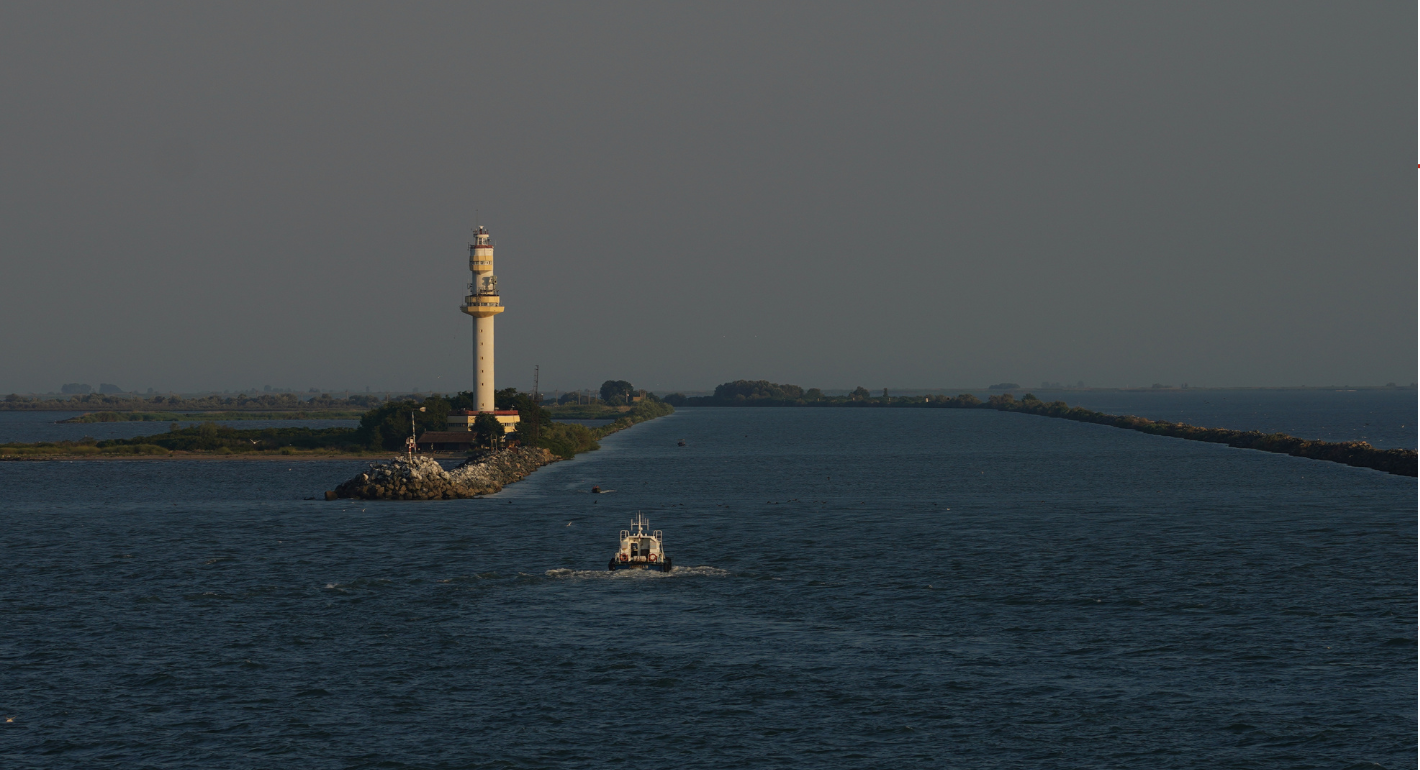
A prophetic Romanian novel about a town at the mouth of the Danube carries a warning: Europe decays when it stops looking outward. In a world of increasing insularity, the EU should heed its warning.

Thomas de Waal