

Report
- +4
Ms. Sandra Polaski, Joaquim Bento de Souza Ferreir, Janine Berg, …
{
  "authors": [
    "Sandra Polaski"
  ],
  "type": "other",
  "centerAffiliationAll": "",
  "centers": [
    "Carnegie Endowment for International Peace"
  ],
  "collections": [],
  "englishNewsletterAll": "",
  "nonEnglishNewsletterAll": "",
  "primaryCenter": "Carnegie Endowment for International Peace",
  "programAffiliation": "",
  "programs": [],
  "projects": [],
  "regions": [],
  "topics": [
    "Economy",
    "Trade"
  ]
}
REQUIRED IMAGE
Agricultural trade liberalization can increase poverty in low-income countries if not handled carefully, because of the pervasiveness of small-scale farming as a source of livelihoods in low-income countries.
Source: Carnegie Endowment
Trade negotiators at the World Trade Organization (WTO) are struggling to meet a self-imposed deadline of December 2005 to agree on the broad outlines of a new trade deal that would cover global commerce in agricultural products, manufactured goods, and a wide array of services. The key bottleneck is agriculture: unless the shape of a deal on agricultural trade can be agreed upon, developing countries will block progress on trade liberalization for manufactured goods and services, the issues of paramount importance to developed countries. Multilateral trade liberalization will stall. However, negotiations have not yet focused on a pivotal issue in developing countries' agricultural sectors, namely the fact that subsistence farming is the main source of income for most of the poor. This issue deserves immediate attention as negotiators return to Geneva for a last effort to forge an agreement by December.
Click here for the full text of this Policy Outlook.
About the Author
Sandra Polaski is a senior associate and Director of the Trade, Equity and Development Project at the Carnegie Endowment for International Peace. She is a co-author of the Carnegie report NAFTA's Promise and Reality: Lessons from Mexico for the Hemisphere and author of Cambodia Blazes A New Path To Economic Growth and Job Creation (Carnegie Paper No. 51).

Former Senior Associate, Director, Trade, Equity and Development Program
Until April 2002, Polaski served as the U.S. Secretary of State’s Special Representative for International Labor Affairs, the senior State Department official dealing with such matters.
Recent Work
Ms. Sandra Polaski, Joaquim Bento de Souza Ferreir, Janine Berg, …
Ms. Sandra Polaski
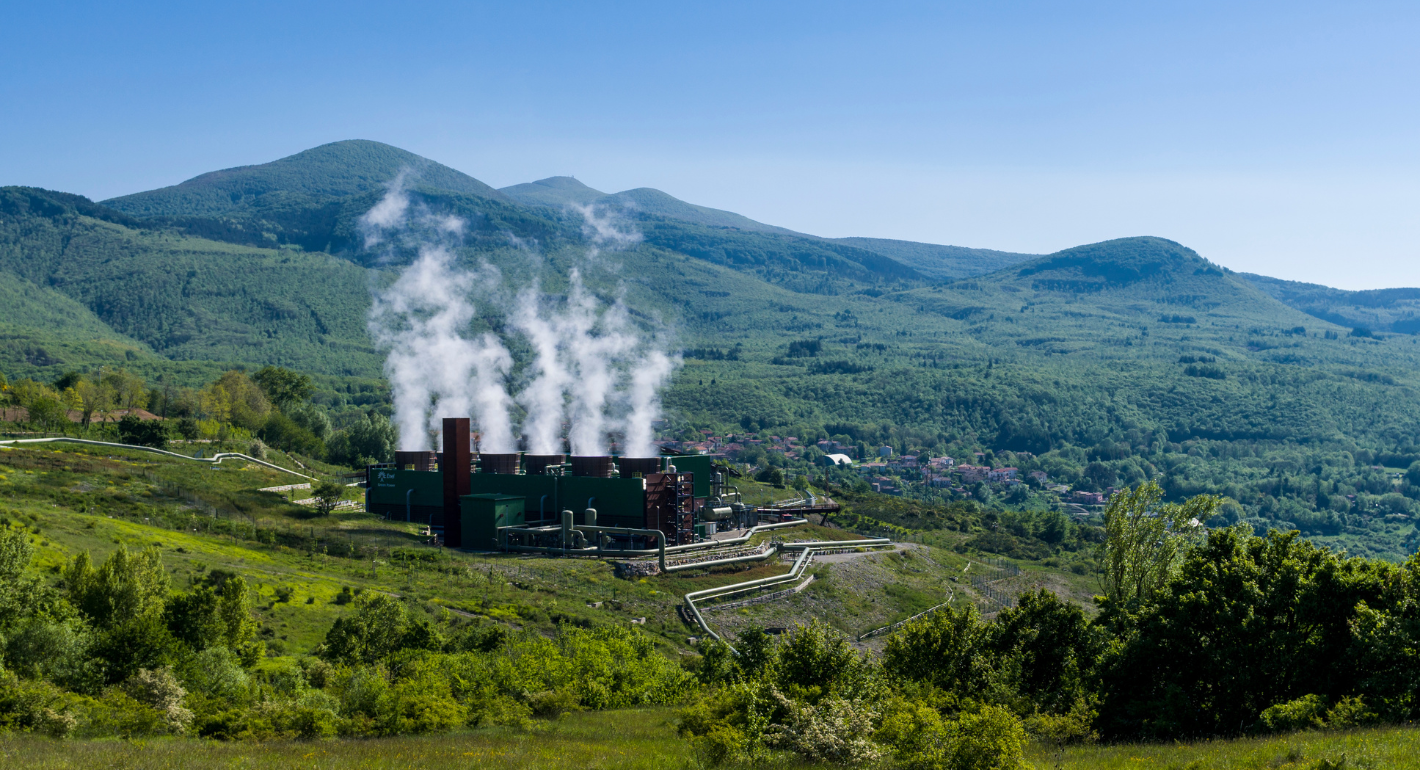
Europe’s industrial supply chains leave it vulnerable to global shocks. The EU needs a pragmatic green industrial strategy that balances durable partnerships and bolsters homegrown clean tech without sacrificing low-carbon ambition.


Milo McBride, Pauline Gerard

As geopolitical rivalry weaponizes global supply chains, the EU’s true vulnerability lies in emerging-risk imports. For these goods, suppliers are growing more concentrated, substitution more difficult, and political risk is looming.

Sinan Ülgen

The EU is putting together a new security strategy to meet today’s myriad challenges. But for any proposal to be effective, the union needs to grapple with its identity and ambitions.

Pierre Vimont
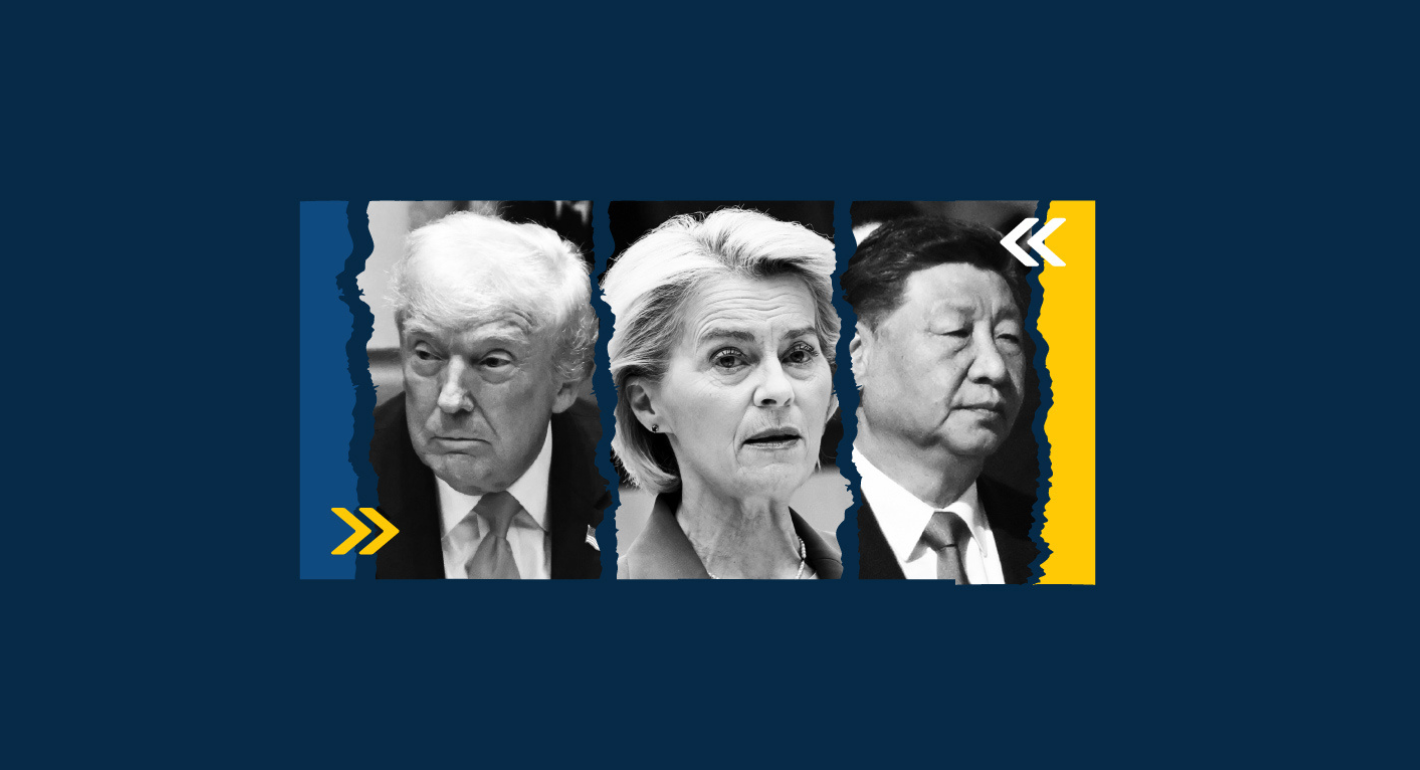
Between the United States’ market-driven approach and China's state-led industrial strategy, Europe is reckoning with how it can remain competitive in the global economy. But is Europe in danger of becoming a U.S. or China colony?


Noah Barkin, Anu Bradford
Following Ursula von der Leyen’s gaffe equating Turkey to Russia and China, relations with Ankara risk deteriorating even further. Without better, more consistent diplomatic messaging, how can the EU pretend to be a geopolitical power?
Sinan Ülgen