

Article
Dr. Albert Keidel
{
  "authors": [
    "Albert Keidel"
  ],
  "type": "other",
  "centerAffiliationAll": "dc",
  "centers": [
    "Carnegie Endowment for International Peace"
  ],
  "collections": [],
  "englishNewsletterAll": "asia",
  "nonEnglishNewsletterAll": "",
  "primaryCenter": "Carnegie Endowment for International Peace",
  "programAffiliation": "AP",
  "programs": [
    "Asia"
  ],
  "projects": [],
  "regions": [
    "China",
    "North America",
    "United States",
    "East Asia"
  ],
  "topics": [
    "Economy",
    "Trade",
    "Military",
    "Domestic Politics"
  ]
}
REQUIRED IMAGE
Source: Carnegie Endowment
In Washington, politicians and pundits have settled on a single magical solution for the country's economic ills: getting China to revalue its currency, the RMB. By any reasonable economic measure, however, the RMB is not undervalued. China does have a trade surplus with the United States, but it has a trade deficit with the rest of the world. And China 's accumulation of dollar reserves is not the result of trade surpluses, but of large investment inflows caused in part by speculators' betting that China will yield to U.S. pressure. Focusing on China 's currency is a distraction. If the United States wants to improve its economy for the long haul, it had best look elsewhere, beginning with raising the productivity of American workers.Click on the link above for the full text of this Carnegie publication.
A limited number of print copies are available.
Request a copy
About the Author
Albert Keidel is a senior associate at the Carnegie Endowment for International Peace in Washington, D.C. Through August 2004, he was Deputy Director of the Office of East Asian Nations in the U.S. Treasury Department, where he supervised its China desk and was its principal specialist on China exchange rate issues. Through the end of 2000 he served as senior economist in the World Bank's Beijing office. Since the latter 1980s he has taught graduate courses on China's economy variously at Johns Hopkins University School of Advance International Studies, George Washington University, and Georgetown University. His recent writings include Exchange-Rate Regimes and Capital Flows in East Asia, Prospects for Continued High Economic Growth in China, China 's G8 Impact, and The Economic Basis for Social Unrest in China. His Ph.D. in Economics is from Harvard University. He speaks and reads Mandarin Chinese.
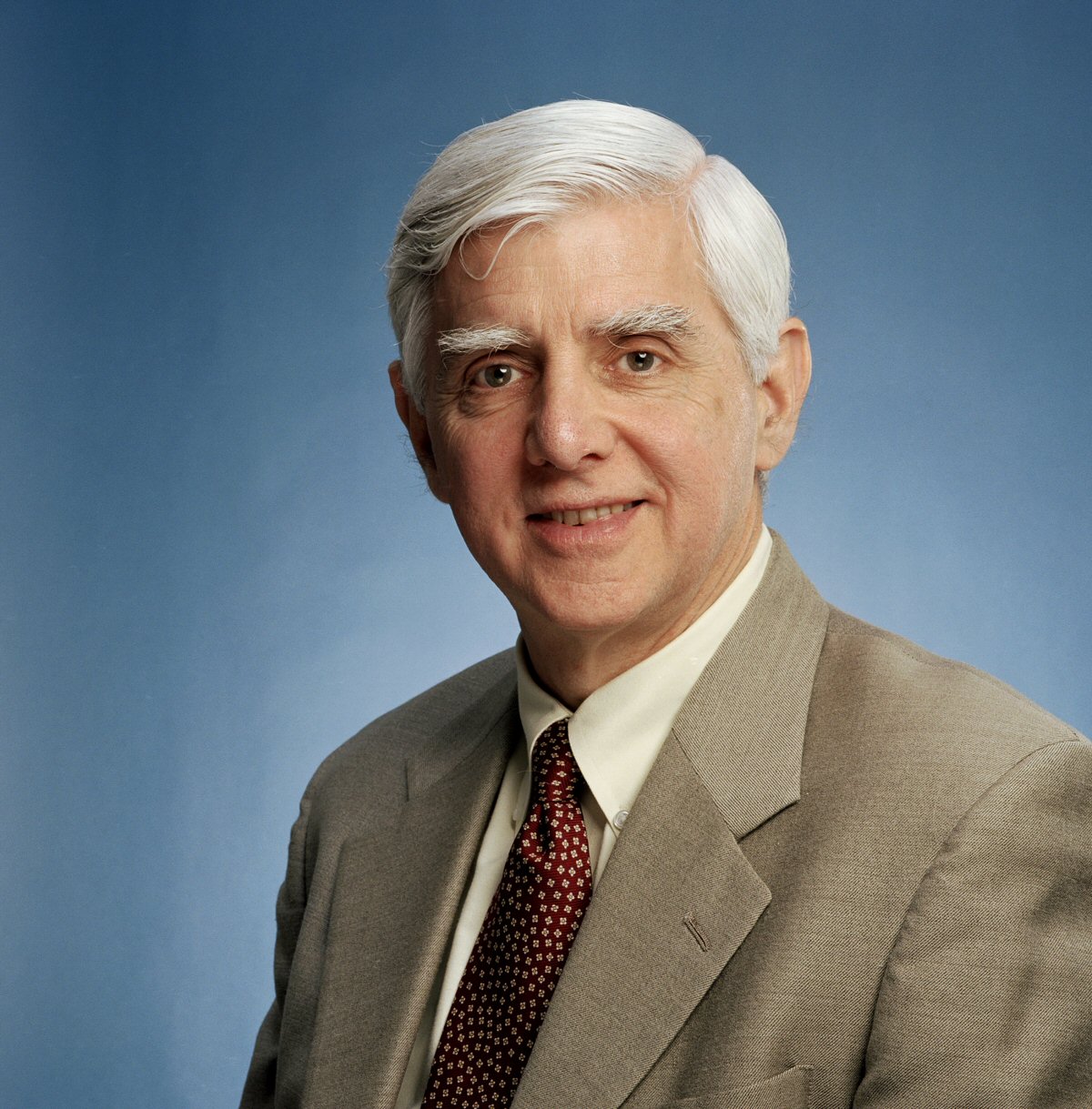
Former Senior Associate, China Program
Keidel served as acting director and deputy director for the Office of East Asian Nations at the U.S. Department of the Treasury. Before joining Treasury in 2001, he covered economic trends, system reforms, poverty, and country risk as a senior economist in the World Bank office in Beijing.
Recent Work
Dr. Albert Keidel
Dr. Albert Keidel
Carnegie does not take institutional positions on public policy issues; the views represented herein are those of the author(s) and do not necessarily reflect the views of Carnegie, its staff, or its trustees.

The new U.S.–Denmark–Greenland agreement will help Washington exert political, economic, and financial dominance under the guise of security. Yet, it acknowledged Copenhagen’s and Nuuk’s sovereignty on the island.

Marc Pierini

A summer of escalation in the Black Sea has hurt Ukraine economically and is exacerbating world food security. A truce is needed—as is a broader reframing of Europe’s Ukraine strategy.

Thomas de Waal

European Commission President Ursula von der Leyen is about to give her annual address on the state of the EU. Here’s what she won’t—but should—say.

Rym Momtaz

Radical-right parties are expected to do well in upcoming elections in four of the EU's biggest member states. If successful, they could prevent the union from addressing key challenges ahead.

Stefan Lehne

Canadian Prime Minister Mark Carney has twice inspired praise for standing up to U.S. President Donald Trump: at the 2026 World Economic Forum in Davos and on Canada-U.S. trade negotiations. Is Carney showing a third way better than the EU has in dealing with the Trump administration?
Rym Momtaz, ed.