

Report
- +4
Ms. Sandra Polaski, Joaquim Bento de Souza Ferreir, Janine Berg, …
{
  "authors": [
    "Sandra Polaski"
  ],
  "type": "legacyinthemedia",
  "centerAffiliationAll": "",
  "centers": [
    "Carnegie Endowment for International Peace"
  ],
  "collections": [],
  "englishNewsletterAll": "",
  "nonEnglishNewsletterAll": "",
  "primaryCenter": "Carnegie Endowment for International Peace",
  "programAffiliation": "",
  "programs": [],
  "projects": [],
  "regions": [],
  "topics": [
    "Economy",
    "Trade"
  ]
}
REQUIRED IMAGE
Source: National Academies - Issues in Science and Technology
Trade liberalization can increase poverty in low-income countries if not handled carefully
World trade talks are heating up, with WTO members struggling to make a deal on the main issues of a new trade pact by a ministerial meeting in Hong Kong in December. Of all the thorny issues they face, none has more impact on a potential deal—and the well being of legions of poor, than agriculture.
Why? Because the global chess game of trade negotiations reflects the more fundamental reality of how the world’s population makes a living. In rich countries, most people work in service industries or manufacturing. In poor countries, agriculture is typically the largest employer. In India, for example, farmers make up 60% of the economically active population, while in China the proportion is about 50%. In low-income countries, an average of 68% of the labor force makes a living in agriculture.
Most attention to agriculture has been focused on the current fight between the US and the European Union over who will make the deepest cuts in tariffs and domestic subsidies, with their main concern being the consequences for their own well-off farmers. A secondary issue, to date, has been the desire of some developing countries to export their farm goods to rich country markets. But nearly absent from the debate has been the question of what happens to small, subsistence farmers in their own local markets in developing countries as a result of global trade. In fact, this issue is probably the biggest factor in determining whether the trade talks produce growth and opportunities for the poor in the developing world or instead end up deepening their poverty and further marginalizing those who have least.
Why should the rich world care? Sandra Polaski argues that the US, EU and other wealthy countries have plenty at stake: their own economic self-interest, their need for global stability and security, and the perception of the global public about whether the global trading system is basically decent and fair or not.
In the article, Polaski outlines the issues and interests at stake in a high-risk economic game with no safety net for the poor. She presents a proposal for dealing with subsistence farming in the WTO talks that would defend the most vulnerable households and allow the overall trade talks to proceed.
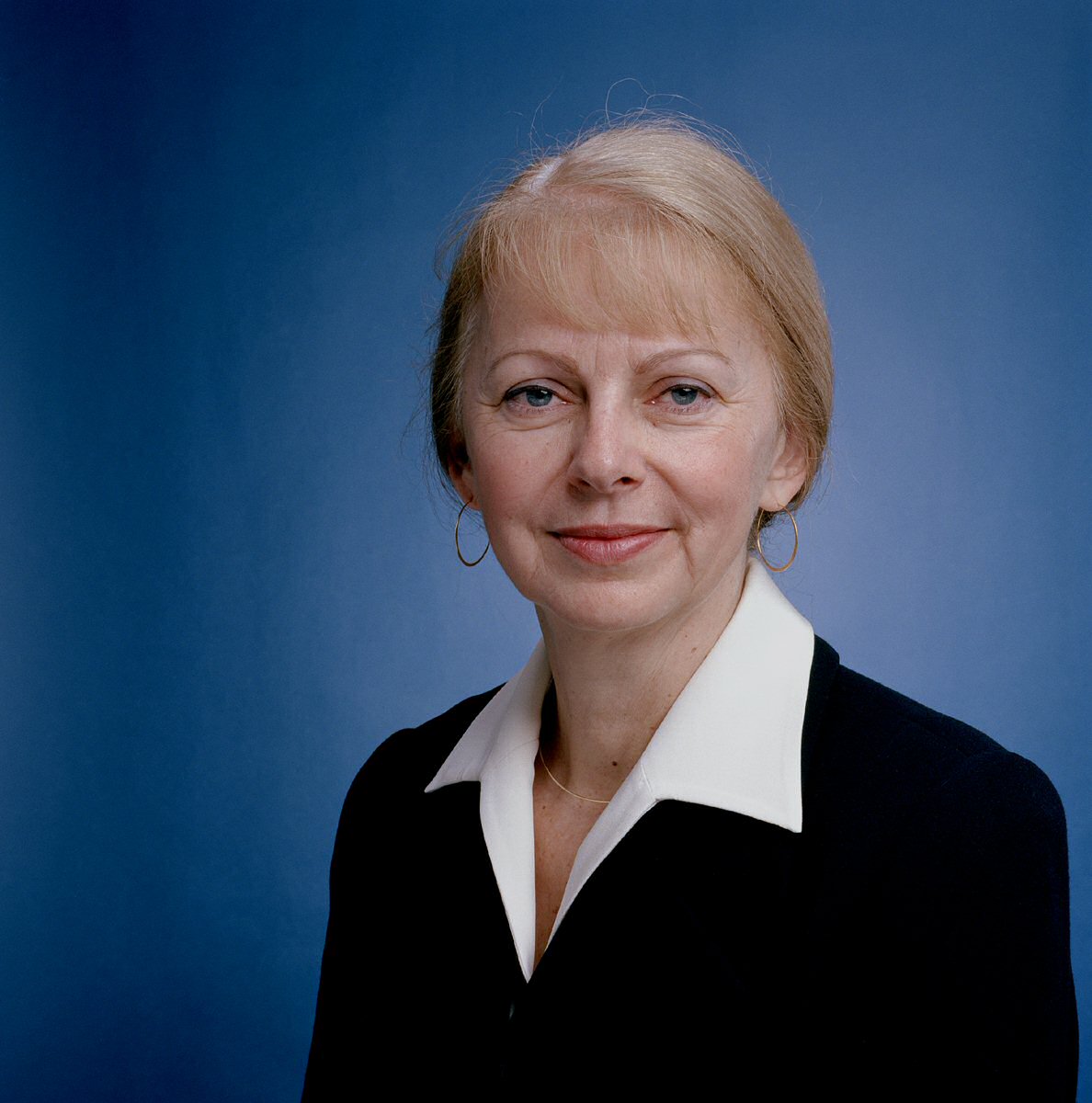
Former Senior Associate, Director, Trade, Equity and Development Program
Until April 2002, Polaski served as the U.S. Secretary of State’s Special Representative for International Labor Affairs, the senior State Department official dealing with such matters.
Recent Work
Ms. Sandra Polaski, Joaquim Bento de Souza Ferreir, Janine Berg, …
Ms. Sandra Polaski

Much has been said of the changes Brussels is trying to make to the EU enlargement process. Here’s why gradual integration might—or might not—be the answer.

Dimitar Bechev

The European Commissioner for Trade is headed to China. But after President Xi’s bridge-building visit to Washington, can a more isolated EU overcome Beijing’s stranglehold on critical raw materials? Who will blink first?

Rym Momtaz, ed.

The domestic impacts of how long it is taking to end the war in Ukraine have pushed the French electorate to the political extremes and compromised the country’s diplomatic capacity.
Rym Momtaz

A summer of escalation in the Black Sea has hurt Ukraine economically and is exacerbating world food security. A truce is needed—as is a broader reframing of Europe’s Ukraine strategy.

Thomas de Waal

Canadian Prime Minister Mark Carney has twice inspired praise for standing up to U.S. President Donald Trump: at the 2026 World Economic Forum in Davos and on Canada-U.S. trade negotiations. Is Carney showing a third way better than the EU has in dealing with the Trump administration?
Rym Momtaz, ed.