

Article
Viji Rangaswami, Lionel Johnson
{
  "authors": [
    "Viji Rangaswami"
  ],
  "type": "other",
  "centerAffiliationAll": "",
  "centers": [
    "Carnegie Endowment for International Peace"
  ],
  "collections": [],
  "englishNewsletterAll": "",
  "nonEnglishNewsletterAll": "",
  "primaryCenter": "Carnegie Endowment for International Peace",
  "programAffiliation": "",
  "programs": [],
  "projects": [],
  "regions": [
    "North America",
    "United States"
  ],
  "topics": [
    "Economy",
    "Trade"
  ]
}
REQUIRED IMAGE
The U.S. should provide open access for least developed country exports, which would yield real benefits to the global poor and allow the U.S. to reclaim its leadership position in the struggling WTO round.
Source: Carnegie Endowment
The United States has an opportunity to change the dynamics of the stalemated global trade talks at the World Trade Organization (WTO). Over the past few months, countries have criticized the United States for demanding that they open their markets to U.S. farm and manufactured goods exports, while at the same time refusing to open the U.S. market to goods from the poorest countries.
In a new Policy Outlook, Nickel and Diming the Poor: U.S. Implementation of the LDC Initiative, Viji Rangaswami argues that the U.S. should provide open access for least developed country exports, which would yield real benefits to the global poor and allow the U.S. to reclaim its leadership position in the struggling WTO round.
About the Author
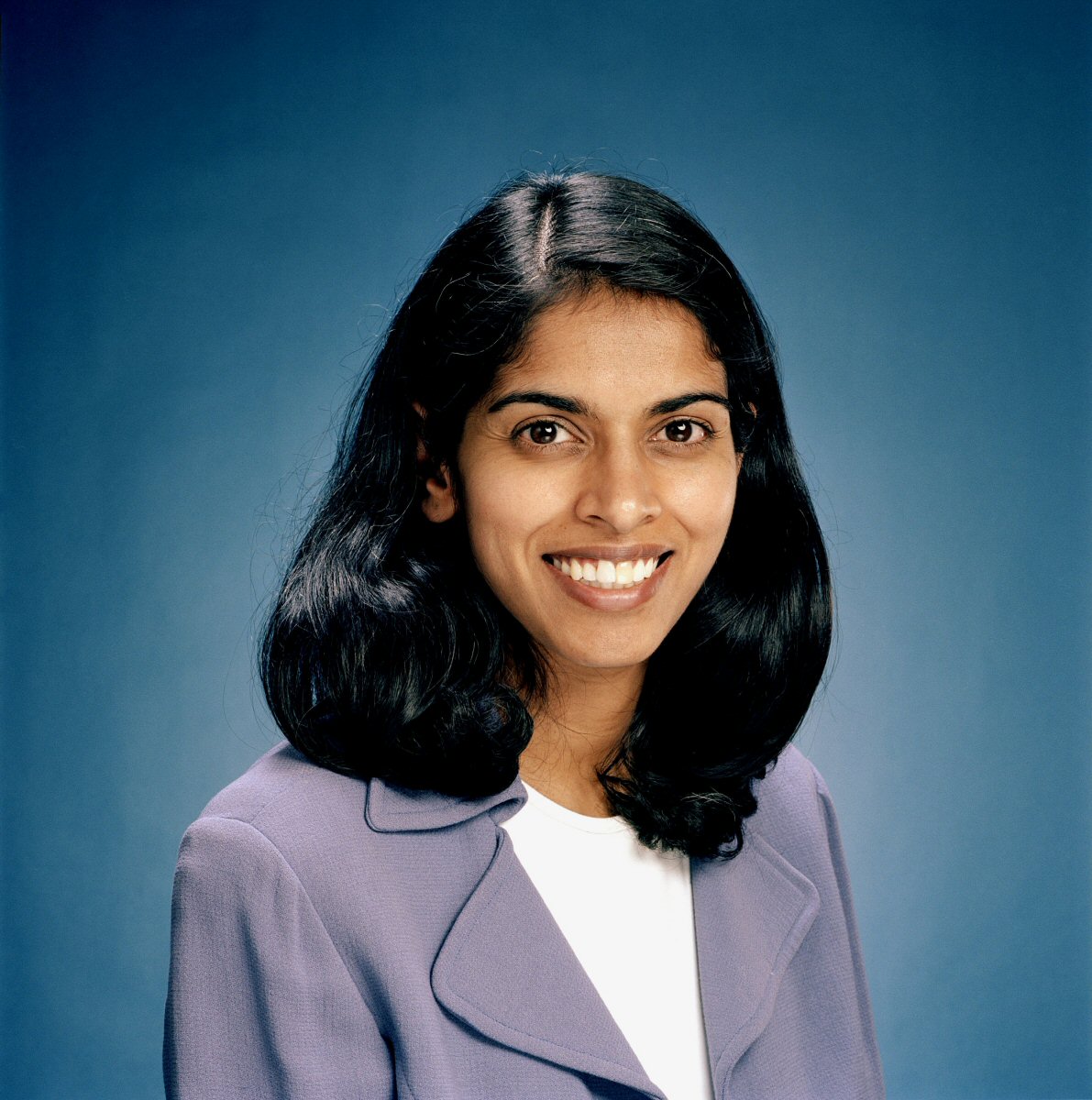
Viji Rangaswami is an associate in the Trade, Equity, and Development Project at the Carnegie Endowment for International Peace. Her work focuses on how multilateral and regional trade agreements, as well as unilateral preference programs, can promote development, particularly among the least developed countries.
Former Associate
Recent Work
Viji Rangaswami, Lionel Johnson
Carnegie does not take institutional positions on public policy issues; the views represented herein are those of the author(s) and do not necessarily reflect the views of Carnegie, its staff, or its trustees.

The EU can impose sanctions but struggles to enforce them without the United States. With Washington increasingly disinterested in backing European interests, the bloc must now fend for itself.


Nicu Popescu, Tiago Antunes

With its public finances in shambles, the far right polling at 35 percent ahead of the 2027 presidential election, and a growing protest movement, is France’s crisis a threat to the EU’s geopolitical awakening?

Rym Momtaz, ed.

Ahead of a tough winter for Ukraine, Donald Trump’s swing back toward Russia bodes ill. But instead of panicking, Kyiv’s European allies are focusing on action.
Rym Momtaz

While the EU and European governments are embracing the much-lauded middle-power moment, this entails three difficult conundrums.

Richard Youngs

Europe is facing rising populism internally as well as external pressures from Russia, China, Turkey, and the United States.

Dimitar Bechev