

Q&A
Mark Medish
{
  "authors": [
    "Mark Medish"
  ],
  "type": "legacyinthemedia",
  "centerAffiliationAll": "dc",
  "centers": [
    "Carnegie Endowment for International Peace"
  ],
  "collections": [],
  "englishNewsletterAll": "ctw",
  "nonEnglishNewsletterAll": "",
  "primaryCenter": "Carnegie Endowment for International Peace",
  "programAffiliation": "russia",
  "programs": [
    "Russia and Eurasia"
  ],
  "projects": [],
  "regions": [
    "Caucasus",
    "Russia"
  ],
  "topics": [
    "Political Reform",
    "Economy"
  ]
}
Source: Getty
In advance of 2008, if Mr Putin were looking to improve his legacy he might consider three moves. He should release Mikhail Khodorkovsky, the jailed oligarch, bury Lenin and invite the Pope. Each move would erase a dark shadow of Russia’s history.
Source: Financial Times

After its first dynasty died out in 1598, Russia was plunged into a succession crisis. Speculation centred on Boris Godunov, who had been chief minister to his brother-in-law Tsar Fyodor, son of Ivan the Terrible. Godunov had killed the only male heir, Ivan’s son Dmitry. Russia’s bard Alexander Pushkin wrote about this historic drama. The play and its author were viewed with official suspicion when it was first performed in the 1830s. Who knows what would happen if Pushkin published his play today, especially in the wake of mysterious poisonings.
In the opening scene, Godunov has sequestered himself in a monastery. The nobles in the Kremlin are intriguing. One asks: “How do you think it will all end?” The reply was prophetic: “The people will plead with him. He will put on a long face and play hard to get. Finally, from the kindness of his heart, he will accept the crown and continue to rule us as before.”
History often finds ways to cast long shadows – through habits of mind and culture. If it were put to a plebiscite in Russia today, the constitution would be amended and Mr Putin drafted for a third term. The risk of a “colour revolution” demanding change is remote. To the contrary, this is a time of nationalist fervour in Russia.
Presiding over a stable and resurgent Russia buoyed by oil and gas exports, Mr Putin is widely popular among his countrymen. His competence and swagger appeal to their sense of restored national pride. What is more, the vested interests deem him the guardian of a complex web of power and wealth sharing arrangements. Under Mr Putin, the freewheeling oligarchs of the Boris Yeltsin era were domesticated. The process started with a warning to them to stay out of politics and culminated with the Kremlin reasserting control over strategic economic assets.
Now the search is on for a reliable guarantor of the Putin system. Current rumours favour Dmitry Medvedev, the young deputy premier with ties to state gas giant Gazprom. Another candidate is defence minister Sergey Ivanov, a Putin confidant with solid KGB credentials. All known contenders are beholden to the president. In Soviet style, Mr Putin has ensured that there are no independent political figures of consequence. Credible alternatives such as former premier Mikhail Kasyanov have been sidelined.
Remindful of Pushkin’s play, the rivalrous Kremlin factions have visited Tsar Vladimir, even at his Black Sea refuge in Sochi, where he often holes up weighing his options. The anxious courtiers have beseeched him to stay in power. Mr Putin has so far demurred, while reassuring the public that he will “retain influence” after he steps down.
Succession will test whether Russia can make progress with political modernisation. Underlying this is a deeper question about the country’s moral direction. Mr Putin may have restored Russia’s power and prestige, but without a clear vision of Russia’s national identity or its role in the world as a force for good. Can Mr Putin articulate a more inspiring vision for Russia? Will the Russian people have a real choice of candidates and a stronger say in the matter? Or will Mr Putin keep the helm to himself or an appointed clone?
In advance of 2008, if Mr Putin were looking to improve his legacy – and I am under no illusion that he is – he might consider three moves. He should release Mikhail Khodorkovsky, the jailed oligarch, bury Lenin and invite the Pope. Each move would erase a dark shadow of Russia’s history. The first would close the book on the vicious power struggles of the past decade. Mr Khodorkovsky is accused of evading taxes but his exile in Siberia has made him a prisoner of conscience.
In the same vein, Mr Putin should pursue a full investigation of recent high profile murders and bring those responsible to justice. These cases include American journalist Paul Klebnikov, central banker Andrey Kozlov and reporter Anna Politkovskaya, all assassinated on the streets of Moscow.
The second bold move – burying Lenin – would help diminish Soviet and Stalinist nostalgia by interring the Bolshevik founder, whose embalmed corpse lies on Red Square and whose Jacobin ideas haunt Russia today.
The grandest gesture – inviting Pope Benedict XVI to Russia – would repair the east-west rift within Christianity. The church schism of 1054 separated Russia spiritually from the flow of European development. The pontiff seems poised to extend his recent Ostpolitik from Turkey to Russia.
Acts of reconciliation should appeal to Mr. Putin, who often mentions his Christian faith. Symbolic gestures alone will not change Russia. What such moves can do is show that Russia is not a prisoner of its past.
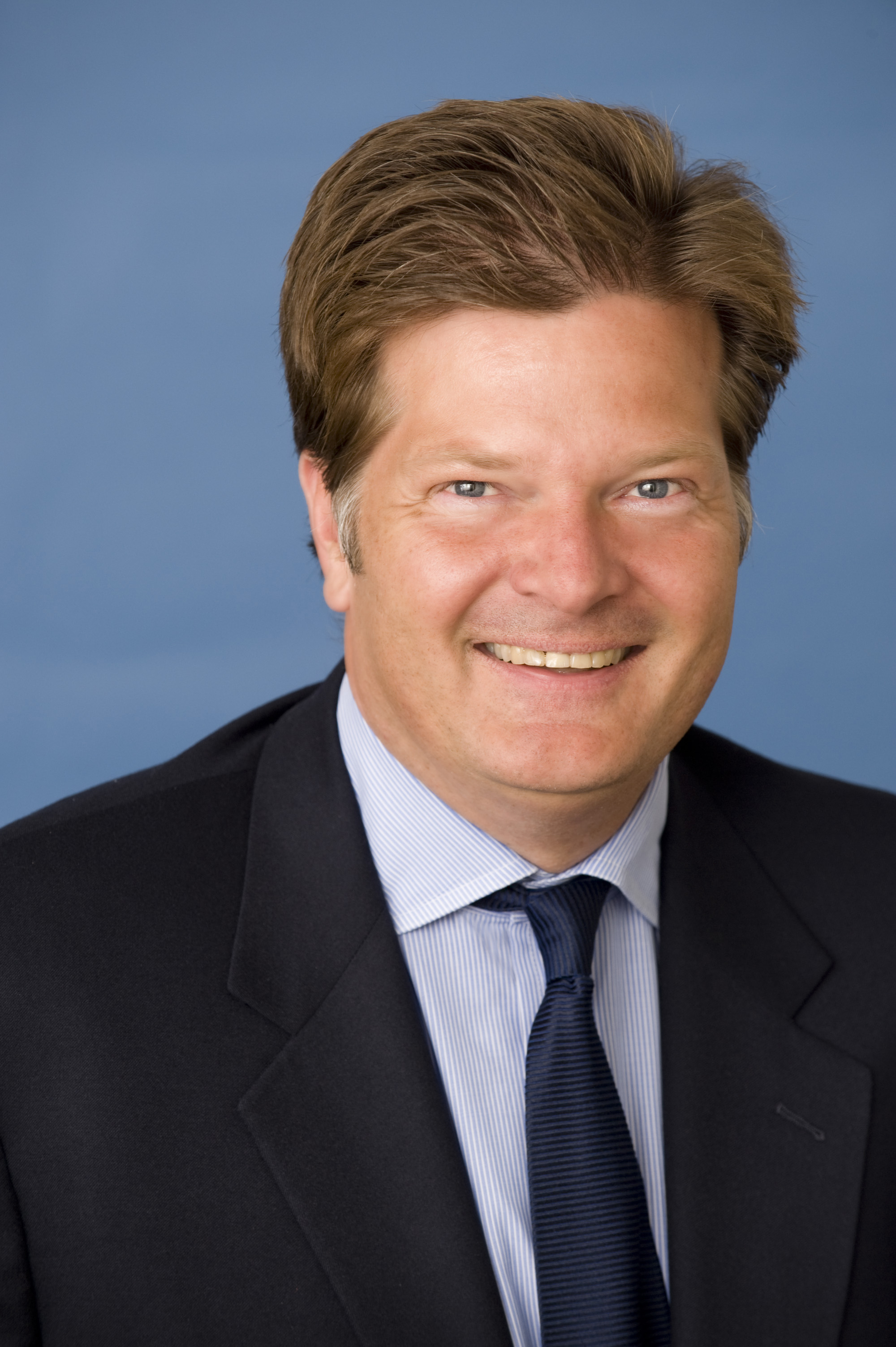
The writer is a vice-president at the Carnegie Endowment for International Peace. He served on the US National Security Council as senior director for Russian, Ukrainian and Eurasian Affairs.
Former Visiting Scholar
Medish served in the Clinton administration as special assistant to the President and senior director for Russian, Ukrainian, and Eurasian Affairs on the National Security Council from 2000 to 2001.
Recent Work
Carnegie does not take institutional positions on public policy issues; the views represented herein are those of the author(s) and do not necessarily reflect the views of Carnegie, its staff, or its trustees.
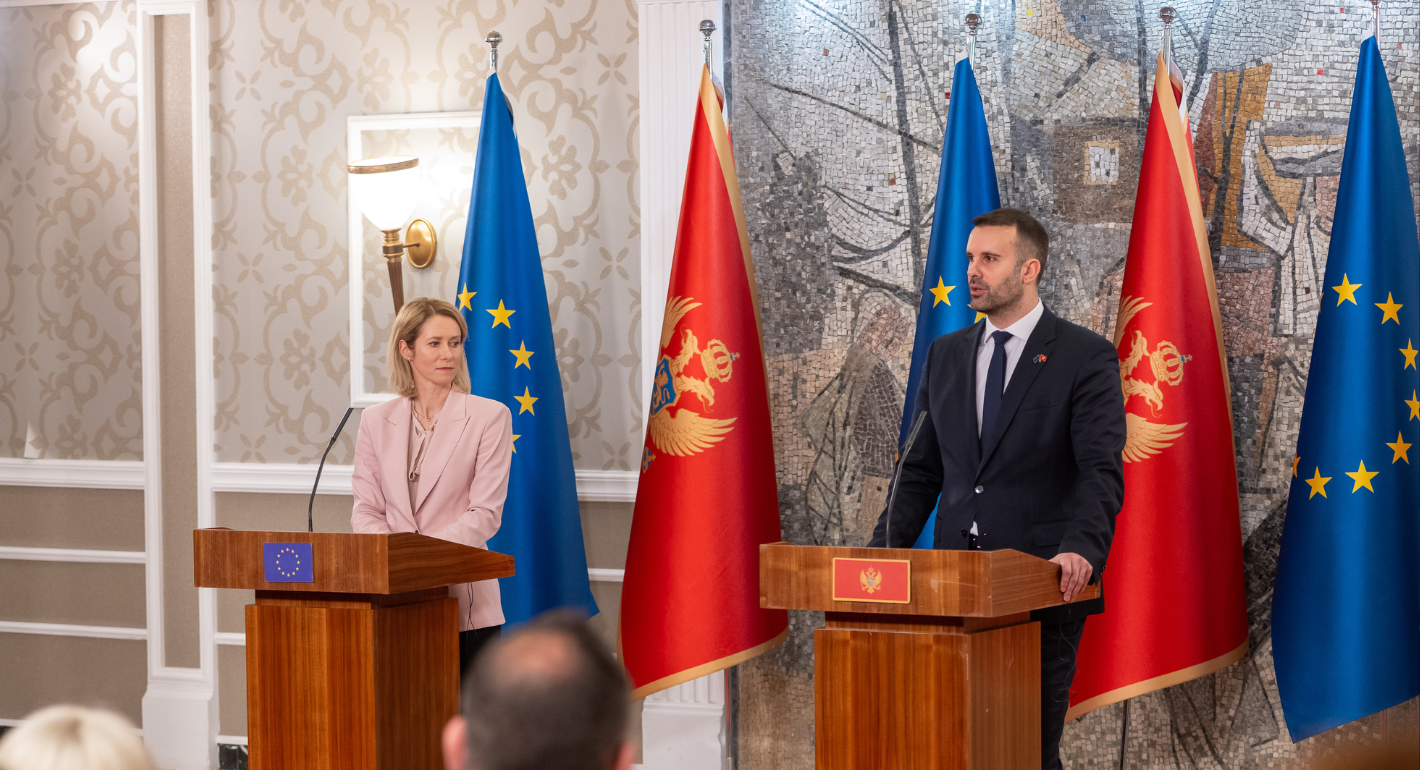
Montenegro and Albania are frontrunners for EU enlargement in the Western Balkans, but they can’t just sit back and wait. To meet their 2030 accession ambitions, they must make a strong positive case.


Dimitar Bechev, Iliriana Gjoni
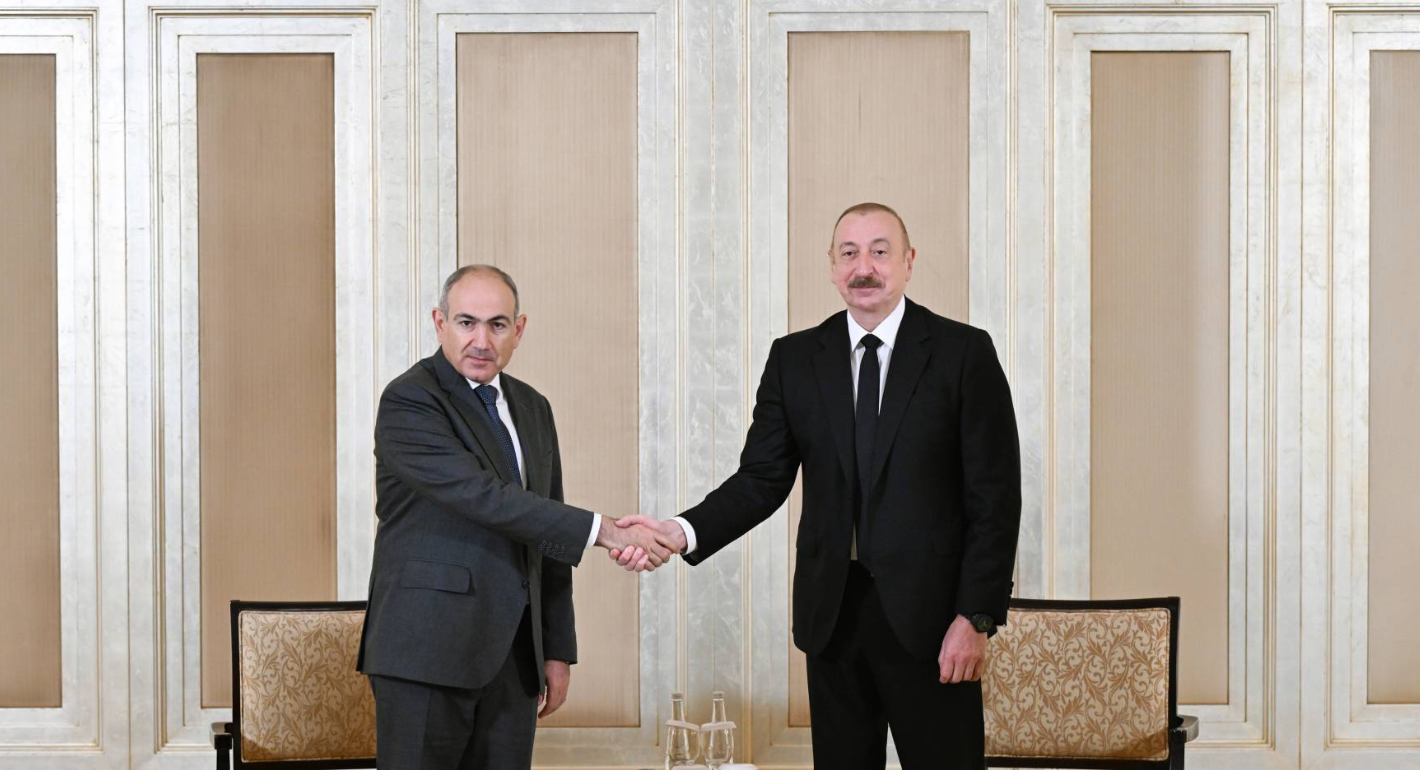
The U.S.-sponsored TRIPP deal is driving the Armenia-Azerbaijan peace process forward. But foreign and domestic hurdles remain before connectivity and economic interdependence can open up the South Caucasus.



Thomas de Waal, Areg Kochinyan, Zaur Shiriyev
The war in Ukraine is costing Russia its leverage overseas. Across the South Caucasus and Middle East, this presents an opportunity for Europe to pick up the pieces and claim its own sphere of influence.

William Dixon, Maksym Beznosiuk
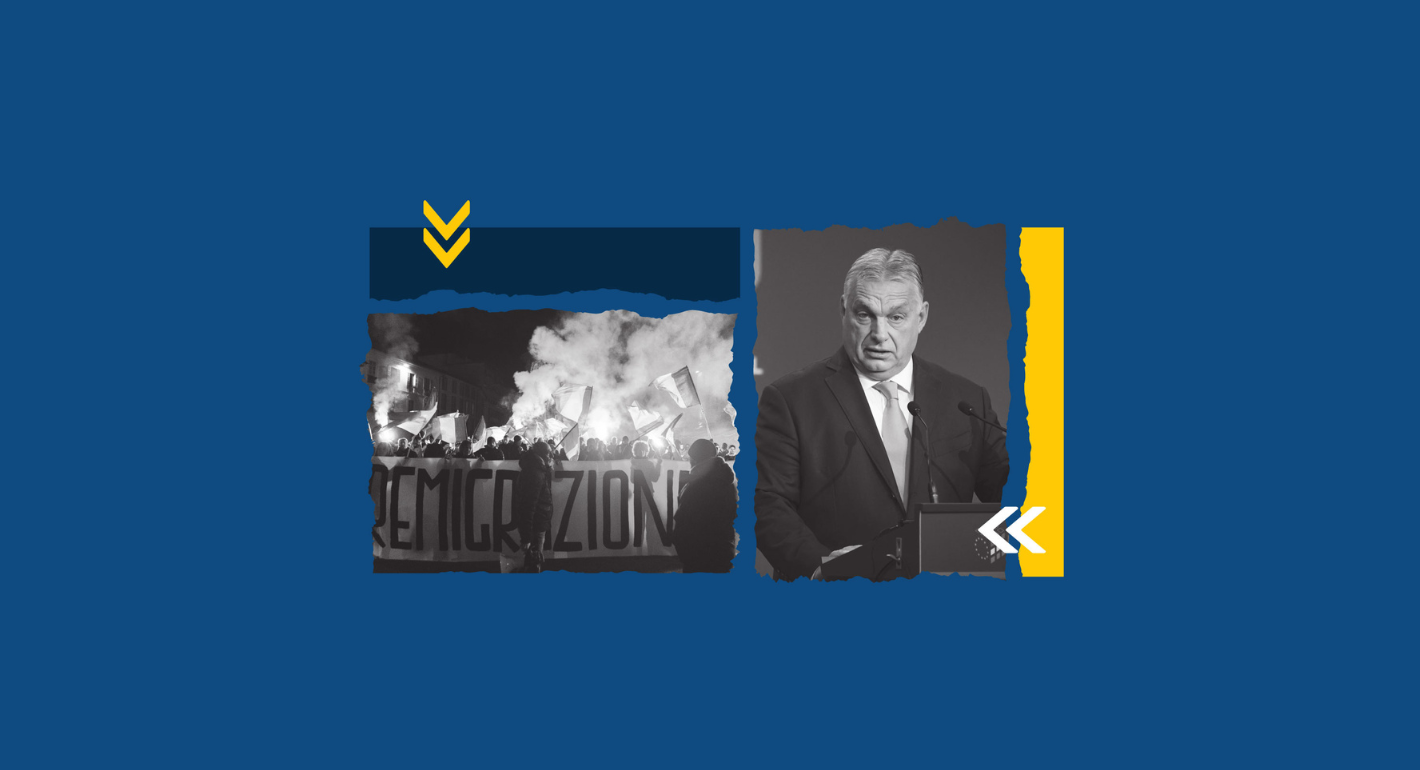
Amid increased polarization and the influence of disinformation, radical-right parties are once again gaining traction across Europe. With landmark elections on the horizon in several countries, are the EU’s geostrategic vision and fundamental values under existential threat?
Catherine Fieschi, Cas Mudde

Economic growth is at the heart of a dilemma between planetary and international security.
Olivia Lazard