Following Ursula von der Leyen’s gaffe equating Turkey to Russia and China, relations with Ankara risk deteriorating even further. Without better, more consistent diplomatic messaging, how can the EU pretend to be a geopolitical power?
Sinan Ülgen

{
"authors": [],
"type": "pressRelease",
"centerAffiliationAll": "dc",
"centers": [
"Carnegie Endowment for International Peace"
],
"collections": [],
"englishNewsletterAll": "ctw",
"nonEnglishNewsletterAll": "",
"primaryCenter": "Carnegie Endowment for International Peace",
"programAffiliation": "russia",
"programs": [
"Russia and Eurasia"
],
"projects": [],
"regions": [
"Central Asia",
"Uzbekistan"
],
"topics": [
"Political Reform",
"Security"
]
}REQUIRED IMAGE
The role of Islam in the formally secular state of Uzbekistan remains a potentially volatile issue. Critics of President Karimov often cite his hard-line stance on radical Islam as a cornerstone of his authoritarian regime. It remains vitally important that both domestic and international actors understand the influence of Islam in Uzbekistan.
The role of Islam in the formally secular state of Uzbekistan remains a potentially volatile issue. Critics of President Karimov often cite his hard-line stance on radical Islam as a cornerstone of his authoritarian regime. Whether Karimov will again seek to extend his time in office remains uncertain, yet it remains vitally important that both domestic and international actors understand the influence of Islam in Uzbekistan to understand the potential problems facing the nation and the Central Asian region more generally.
In a new Carnegie Paper, A Face of Islam: Muhammad-Sodiq Muhammad-Yusuf, Martha Brill Olcott, a senior associate at the Carnegie Endowment, provides an in-depth analysis of Sheikh Muhammad-Sodiq Muhammad-Yusuf—the most prominent theologian and unofficial spiritual leader of Uzbekistan. Olcott gives insight into Muhammad-Sodiq’s life, his spiritual and ideological writings, and ultimately, his political agenda. Given that this Uzbek cleric has a wide following in his country, including within the elite, Olcott’s examination of the life and mind of Muhammad-Sodiq provides a window into his country’s religious life.
Influenced by years spent in seminaries in Libya, as well as frequent travel to leading Arab Islamic centers, Muhammad-Sodiq’s goal is the gradual but full Islamization of Uzbek society. But, he maintains that Uzbekistan is not yet prepared for the immediate transition to an Islamic state. This nuanced position allows him to remain an independent advocate who offers occasional criticism of the government. His outspokenness has boosted Muhammad-Sodiq’s popularity with believers and even theologians who do not agree with his view.
Olcott argues that if the government does not confer with Muhammad-Sodiq, it risks open confrontation with the Islamic leaders within the country and beyond its borders, given the Uzbek cleric’s strong position in the countries of the Organization of the Islamic Conference.
Notes:
Carnegie does not take institutional positions on public policy issues; the views represented herein are those of the author(s) and do not necessarily reflect the views of Carnegie, its staff, or its trustees.
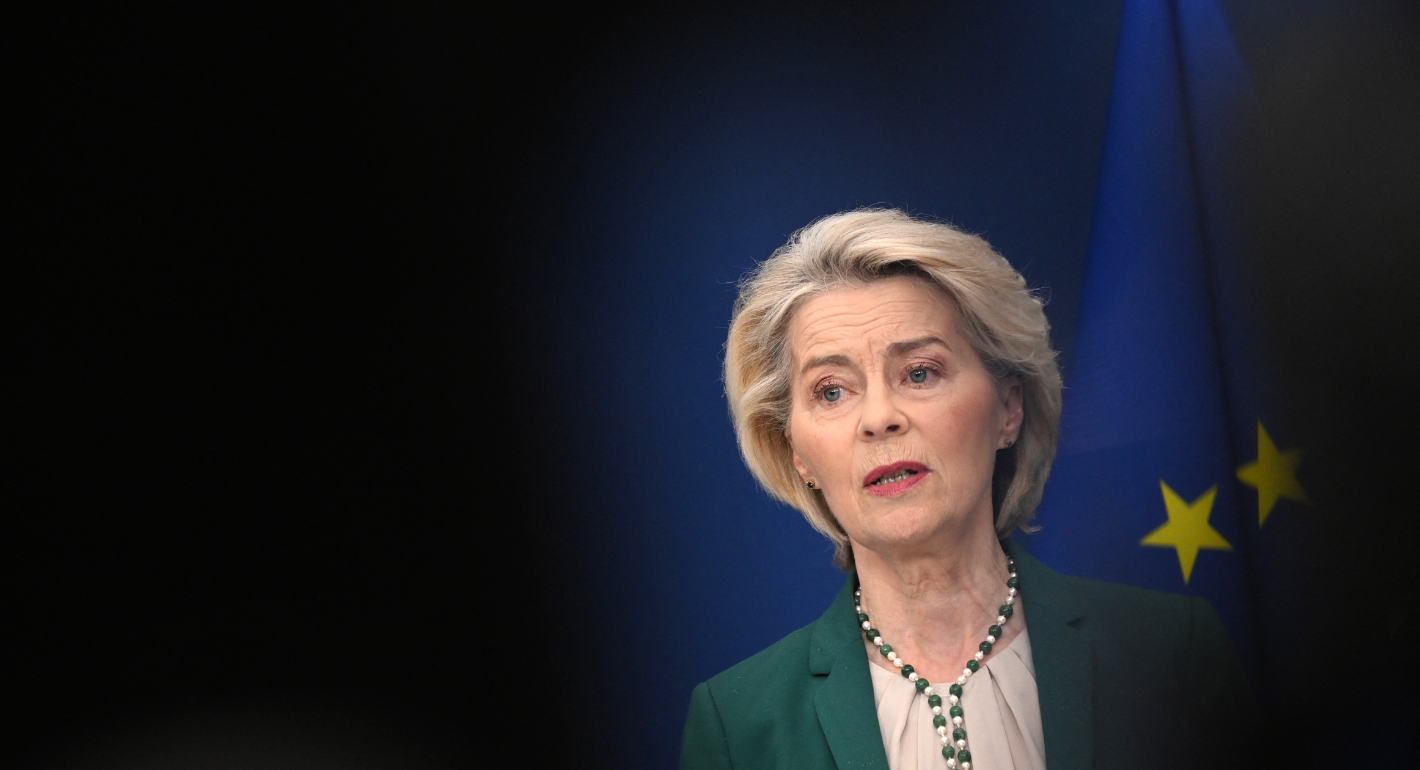
Following Ursula von der Leyen’s gaffe equating Turkey to Russia and China, relations with Ankara risk deteriorating even further. Without better, more consistent diplomatic messaging, how can the EU pretend to be a geopolitical power?
Sinan Ülgen
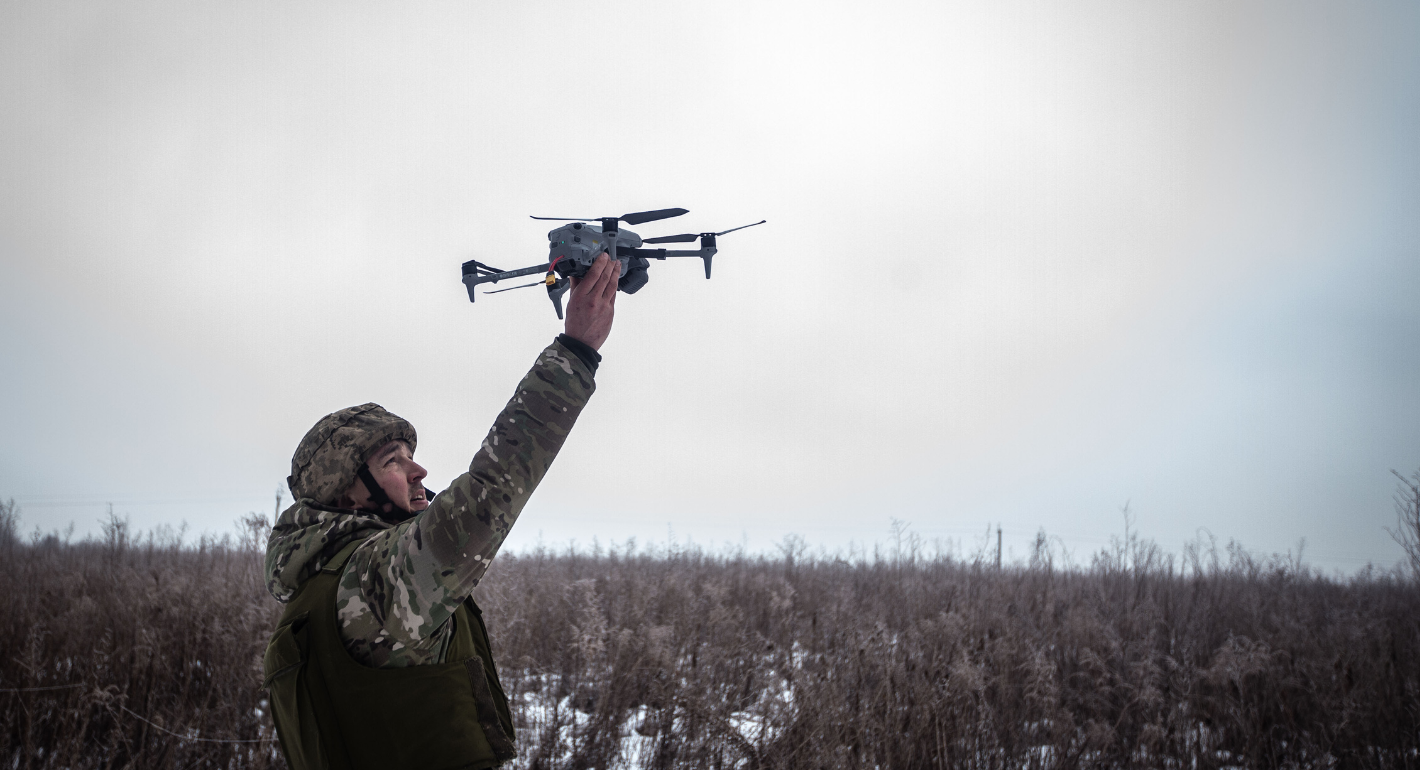
In Ukraine, Gaza, and Iran, AI warfare has come to dominate, with barely any oversight or accountability. Europe must lead the charge on the responsible use of new military technologies.
Raluca Csernatoni
Montenegro and Albania are frontrunners for EU enlargement in the Western Balkans, but they can’t just sit back and wait. To meet their 2030 accession ambitions, they must make a strong positive case.
Dimitar Bechev, Iliriana Gjoni
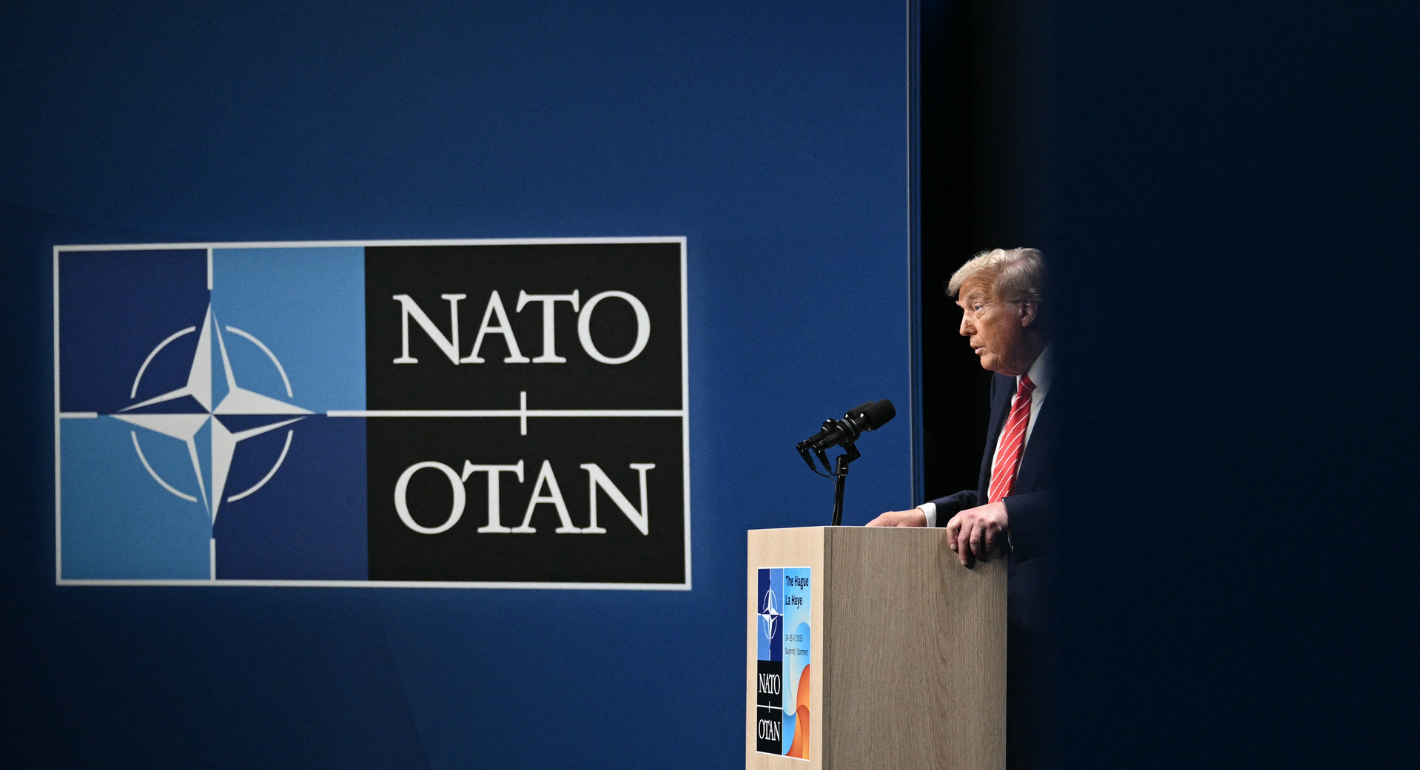
Donald Trump has repeatedly bashed NATO and European allies, threatening to annex Canada and Greenland and deploring their lack of enthusiasm for his war of choice in Iran. Is this latest round of abuse the final straw?
Rym Momtaz, ed.
Economic growth is at the heart of a dilemma between planetary and international security.
Olivia Lazard