

Commentary
In Ukraine, Gaza, and Iran, AI warfare has come to dominate, with barely any oversight or accountability. Europe must lead the charge on the responsible use of new military technologies.
Raluca Csernatoni
{
  "authors": [
    "Faleh Jabar"
  ],
  "type": "other",
  "centerAffiliationAll": "dc",
  "centers": [
    "Carnegie Endowment for International Peace"
  ],
  "collections": [],
  "englishNewsletterAll": "menaTransitions",
  "nonEnglishNewsletterAll": "",
  "primaryCenter": "Carnegie Endowment for International Peace",
  "programAffiliation": "MEP",
  "programs": [
    "Middle East"
  ],
  "projects": [],
  "regions": [
    "Middle East",
    "Iraq"
  ],
  "topics": [
    "Political Reform",
    "Foreign Policy"
  ]
}
REQUIRED IMAGE
As the U.S. “surge” in Iraq enters its sixth month, a new Carnegie Policy Outlook reflects on the full history of the Iraq war and examines the viability of the current strategy.
Source: Carnegie Endowment
As the U.S. “surge” in Iraq enters its sixth month, a new Carnegie Policy Outlook reflects on the full history of the Iraq war and examines the viability of the current strategy.
The invasion and occupation of Iraq constituted the greatest nation-building challenge the United States has faced since World War II. As has become painfully clear, however, the realities of Iraq proved far more challenging than military planners had expected. Wars and sanctions only served to exacerbate stresses and tensions inherent under Saddam Hussein—there were no social forces to act as agents of change and no regional environment supportive of such change. The announcement of the surge in January 2007 revealed a sober recognition of how far U.S. strategy was removed from hard realities.
While this new U.S. strategy may have seemed plausible, it suffers from the same flawed assumptions and challenges that have plagued the entire war. The resolution of the Iraqi crisis can only come about through the construction of an inclusive, pluralistic, and federal polity with broad participation and strong political and security institutions. The Iraqi government must wean itself from U.S. military support, reinforce its own institutional and law-enforcement capacities, and take seriously the need for inclusive representational and decision-making institutions.
Click on the link above for the full text of this Carnegie publication.
This is a web-only publication.
About the Author
Faleh A. Jabar is the Director of the Iraq Institute for Strategic Studies (IIST) in Beirut,
Lebanon.
Faleh Jabar
Carnegie does not take institutional positions on public policy issues; the views represented herein are those of the author(s) and do not necessarily reflect the views of Carnegie, its staff, or its trustees.

In Ukraine, Gaza, and Iran, AI warfare has come to dominate, with barely any oversight or accountability. Europe must lead the charge on the responsible use of new military technologies.

Raluca Csernatoni

Montenegro and Albania are frontrunners for EU enlargement in the Western Balkans, but they can’t just sit back and wait. To meet their 2030 accession ambitions, they must make a strong positive case.


Dimitar Bechev, Iliriana Gjoni
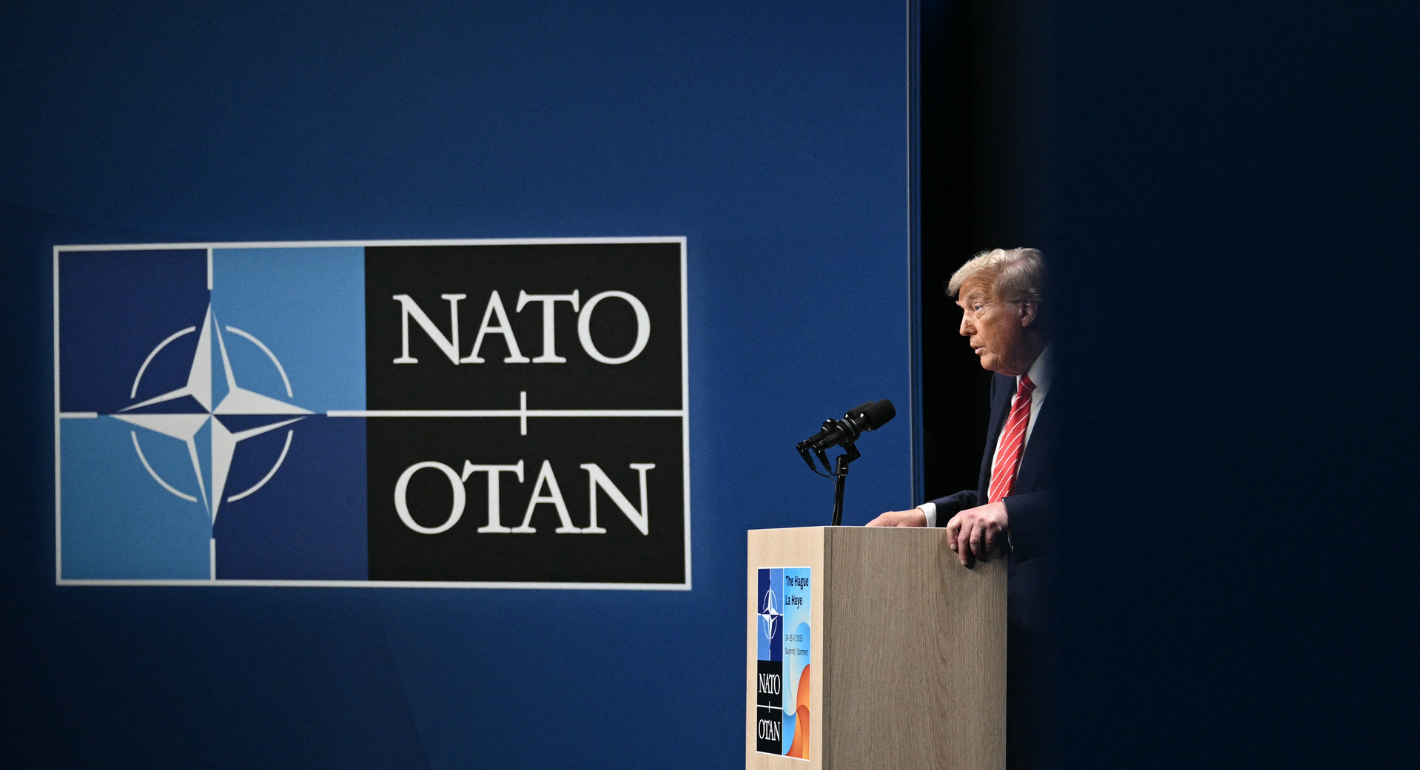
Donald Trump has repeatedly bashed NATO and European allies, threatening to annex Canada and Greenland and deploring their lack of enthusiasm for his war of choice in Iran. Is this latest round of abuse the final straw?

Rym Momtaz, ed.
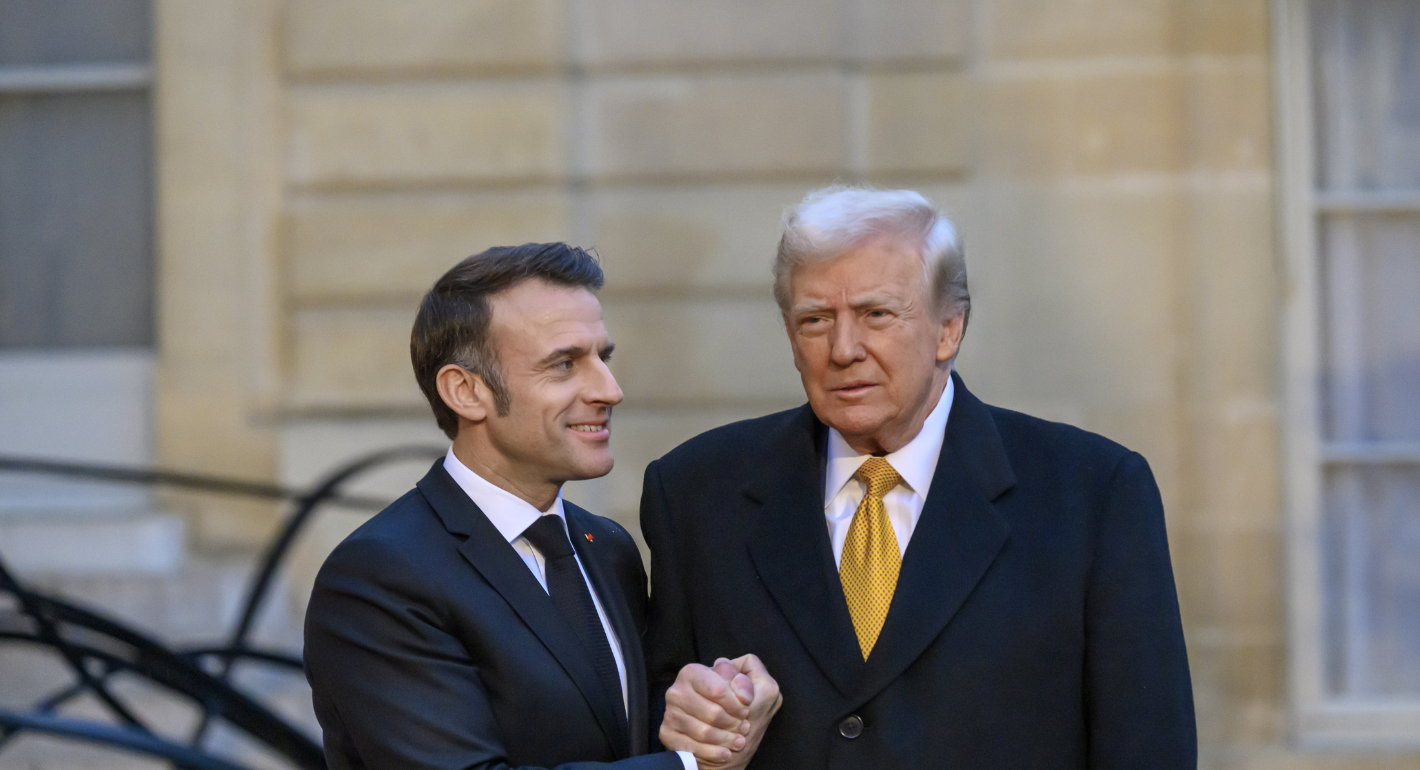
Donald Trump’s repudiation of NATO goes against the Make America Great Again vision of a U.S.-centered foreign policy. If the goal is to preserve the alliance by boosting Europe’s commitments, leaning into France’s vision is the most America First way forward.
Rym Momtaz
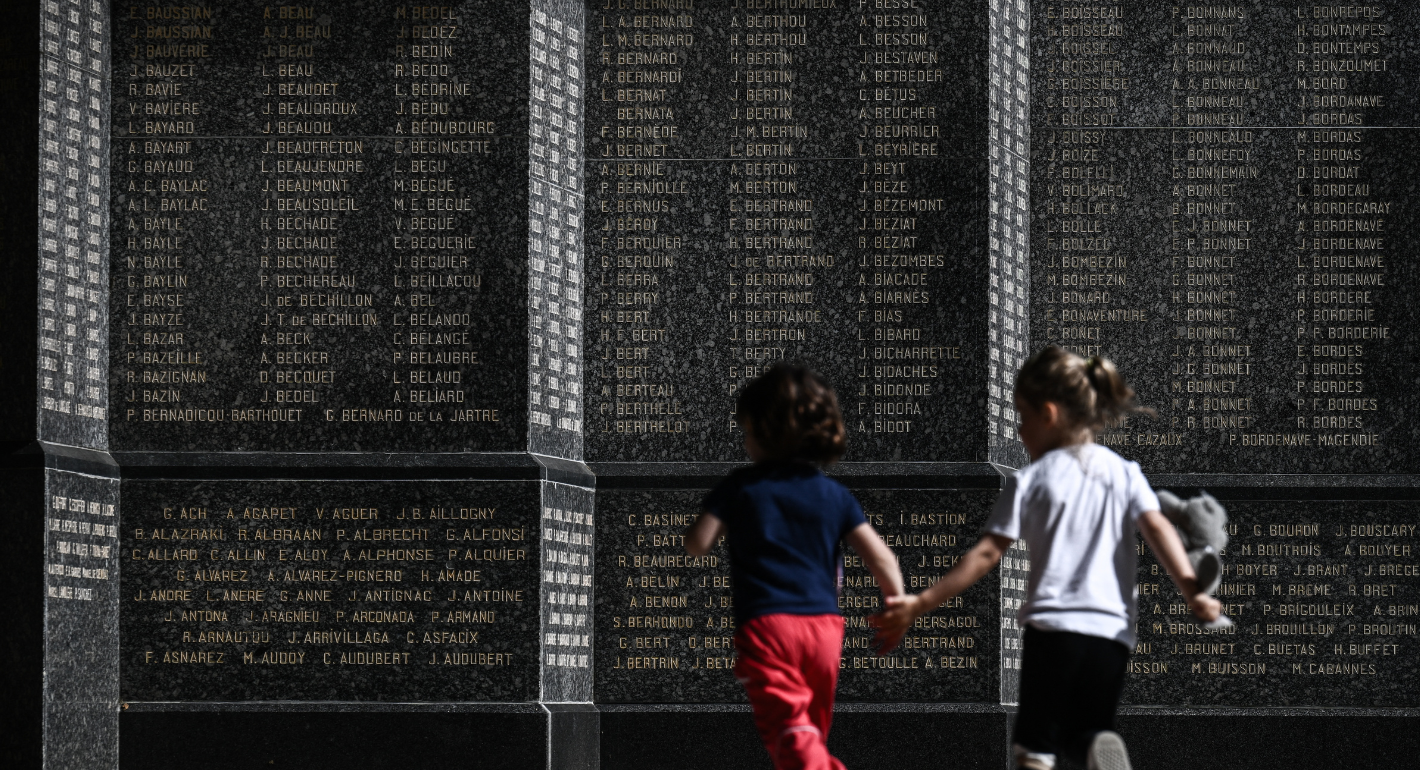
The wars in Ukraine and the Middle East are existential threats to Europe as a peace project. Leaders and citizens alike must reaffirm their solidarity to face up to today’s multifaceted challenges.

Marc Pierini