

Article
A notable degree of participative democracy has firmly arrived in Europe. But to have more far-reaching impact, democratic deliberation needs to move into a radically new phase.
Richard Youngs
{
  "authors": [],
  "type": "pressRelease",
  "centerAffiliationAll": "dc",
  "centers": [
    "Carnegie Endowment for International Peace",
    "Malcolm H. Kerr Carnegie Middle East Center"
  ],
  "collections": [],
  "englishNewsletterAll": "democracy",
  "nonEnglishNewsletterAll": "",
  "primaryCenter": "Malcolm H. Kerr Carnegie Middle East Center",
  "programAffiliation": "DCG",
  "programs": [
    "Democracy, Conflict, and Governance",
    "Middle East"
  ],
  "projects": [],
  "regions": [
    "Middle East"
  ],
  "topics": [
    "Political Reform"
  ]
}
REQUIRED IMAGE
FOR IMMEDIATE RELEASE: July 23, 2007
- NEWS RELEASE -
WASHINGTON, July 23— Kuwait has made exemplary strides towards democratic reform over the last two years, but deep tensions between the ruling Al Sabah family and the parliament, as well as fractures within the political opposition, could hinder future progress, according to a new paper from the Carnegie Endowment.
In the last two years women were given the right to vote, a law banning public gatherings was overturned, restrictions on new media outlets were curbed, and a key election has brought about important electoral system reform. In Kuwait: Politics in a Participatory Emirate, Paul Salem, director of the Carnegie Middle East Center, examines these recent reform successes in Kuwait and points to key areas for further advancement and hindrances to future reforms.
Key findings:
“While Arab republics have regressed into military or one-party dictatorships or collapsed into failed states, and even recently promising Arab monarchies like Jordan have pulled back from real democratic accommodation and empowerment, Kuwait increasingly stands out as an important, even if imperfect, example,” writes Salem.
Notes:
The Carnegie Endowment for International Peace is a private, nonprofit organization dedicated to advancing cooperation between nations and promoting active international engagement by the United States. Founded in 1910, its work is nonpartisan and dedicated to achieving practical results. The Endowment has added operations in Beijing, Beirut, and Brussels to its longstanding offices in Washington and Moscow as part of its transformation into the first global think tank.
Carnegie does not take institutional positions on public policy issues; the views represented herein are those of the author(s) and do not necessarily reflect the views of Carnegie, its staff, or its trustees.

A notable degree of participative democracy has firmly arrived in Europe. But to have more far-reaching impact, democratic deliberation needs to move into a radically new phase.

Richard Youngs

Before the next wave of EU enlargement takes place, the union needs to grapple with thorny questions of how power is distributed among its members.


Emil Sondaj Hansen, Ditte Brasso Sørensen

As the EU confronts profound challenges, several leaders have called for fundamental reform to the union’s model—but only modest, superficial changes have resulted. What if Europe really could be reimagined from zero today: What should such a redesigned European order look like?
Richard Youngs, ed.

The EU’s new migration policy is not suited to today’s realities. With climate change increasingly becoming a driver of displacement, Europe needs to rethink its deterrence-focused approach.

Shana Tabak
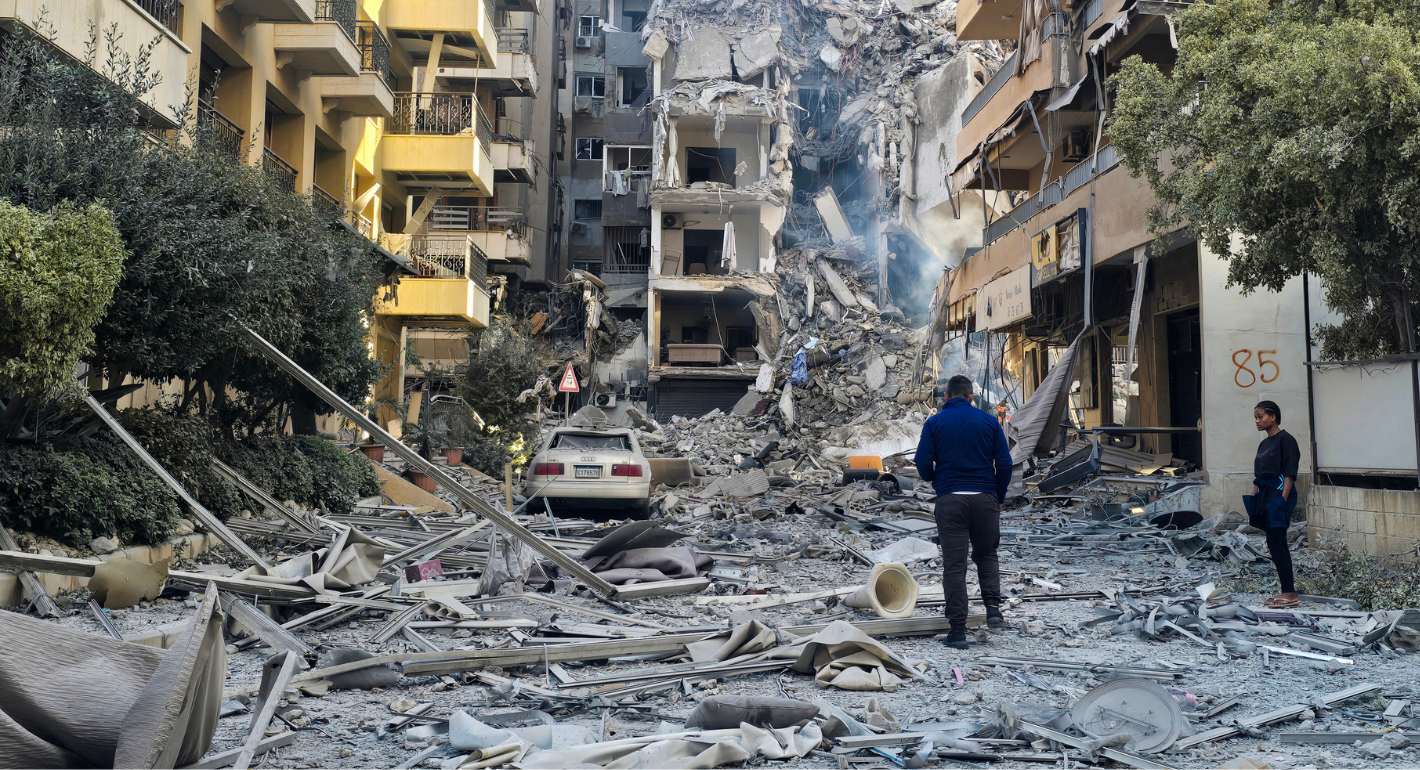
Europe seems to have accepted its sidelining in the Middle East. The EU must reassert its support for the international rules-based order and step up engagement.

Rym Momtaz