• Research
  • Strategic Europe
  • About
  • Experts
Carnegie Europe logoCarnegie lettermark logo
EUUkraine
  • Donate
{
  "authors": [
    "Sandra Polaski"
  ],
  "type": "testimony",
  "centerAffiliationAll": "",
  "centers": [
    "Carnegie Endowment for International Peace"
  ],
  "collections": [],
  "englishNewsletterAll": "",
  "nonEnglishNewsletterAll": "",
  "primaryCenter": "Carnegie Endowment for International Peace",
  "programAffiliation": "",
  "programs": [],
  "projects": [],
  "regions": [
    "India",
    "Pakistan",
    "China",
    "Southeast Asia"
  ],
  "topics": [
    "Economy",
    "Trade"
  ]
}

Source: Getty

Testimony

The Fight Against Global Poverty and Inequality: The World Bank's Approach to Core Labor Standards and Employment Creation

An analysis of the World Bank’s approach to core labor standards and employment creation, which can be improved by developing a coherent policy across all departments.

Link Copied
By Ms. Sandra Polaski
Published on Oct 3, 2007

Source: House Committee on Financial Services Hearing

Sandra Polaski testified at a hearing of the U.S. House of Representatives' Committee on Financial Services on “The Fight against Global Poverty and Inequality: The World Bank’s Approach to Core Labor Standards and Employment Creation”.  Polaski praised some recent actions by the World Bank and its sister institution, the International Finance Corporation, but expressed concern that different departments of the Bank pursue contradictory stances with regard to core labor standards and employment creation.  She suggested that active oversight by the Committee could improve consistency and results from the World Bank on labor market and labor rights issues.  

About the Author

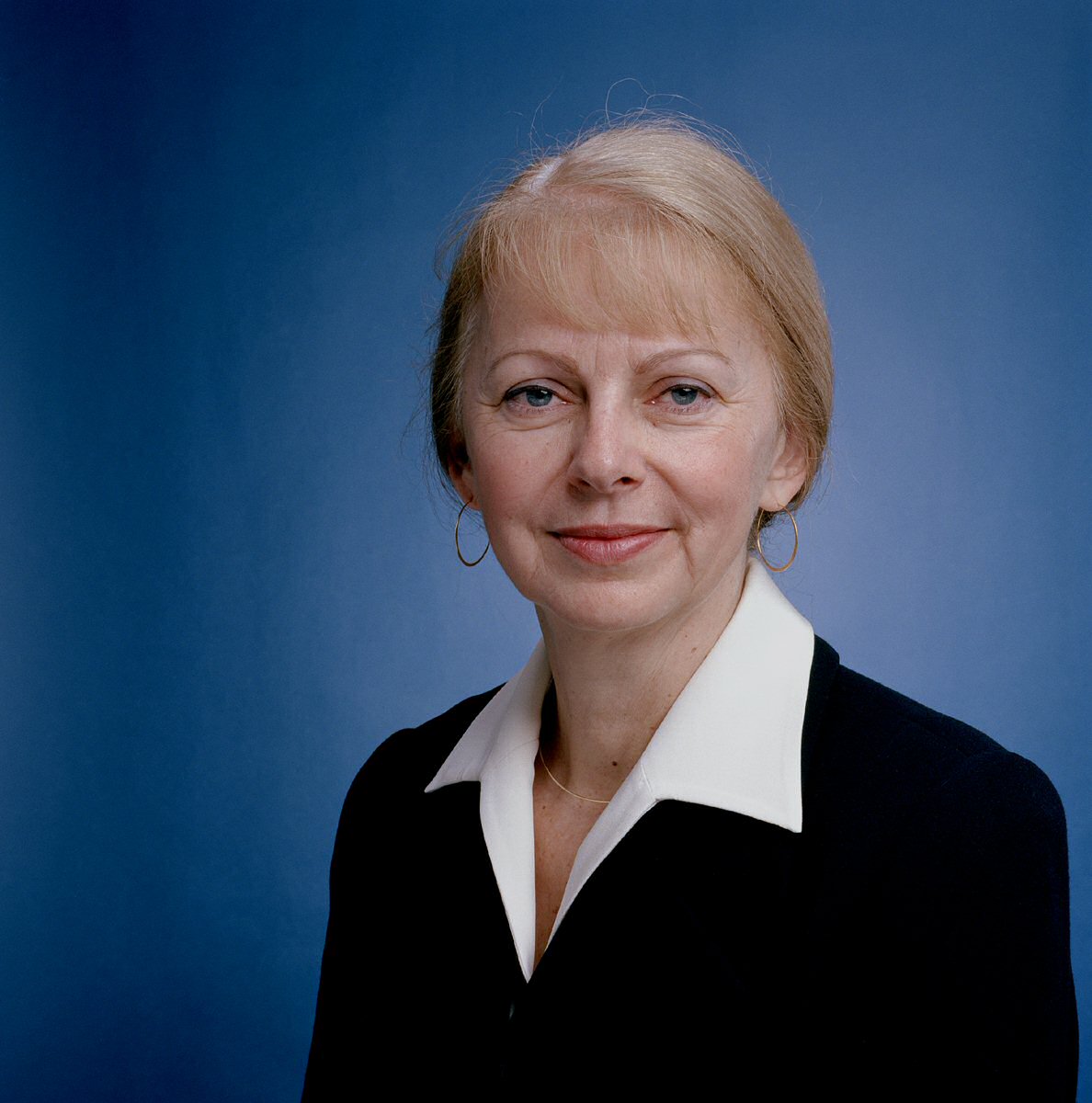
Ms. Sandra Polaski

Former Senior Associate, Director, Trade, Equity and Development Program

Until April 2002, Polaski served as the U.S. Secretary of State’s Special Representative for International Labor Affairs, the senior State Department official dealing with such matters.

    Recent Work

  • Report
    Brazil in the Global Economy: Measuring the Gains From Trade
      • +4

      Ms. Sandra Polaski, Joaquim Bento de Souza Ferreir, Janine Berg, …

  • Article
    One Cheer for Global Trade Talks

      Ms. Sandra Polaski

Ms. Sandra Polaski
Former Senior Associate, Director, Trade, Equity and Development Program
Sandra Polaski
EconomyTradeIndiaPakistanChinaSoutheast Asia

Carnegie does not take institutional positions on public policy issues; the views represented herein are those of the author(s) and do not necessarily reflect the views of Carnegie, its staff, or its trustees.

More Work from Carnegie Europe

  • Article
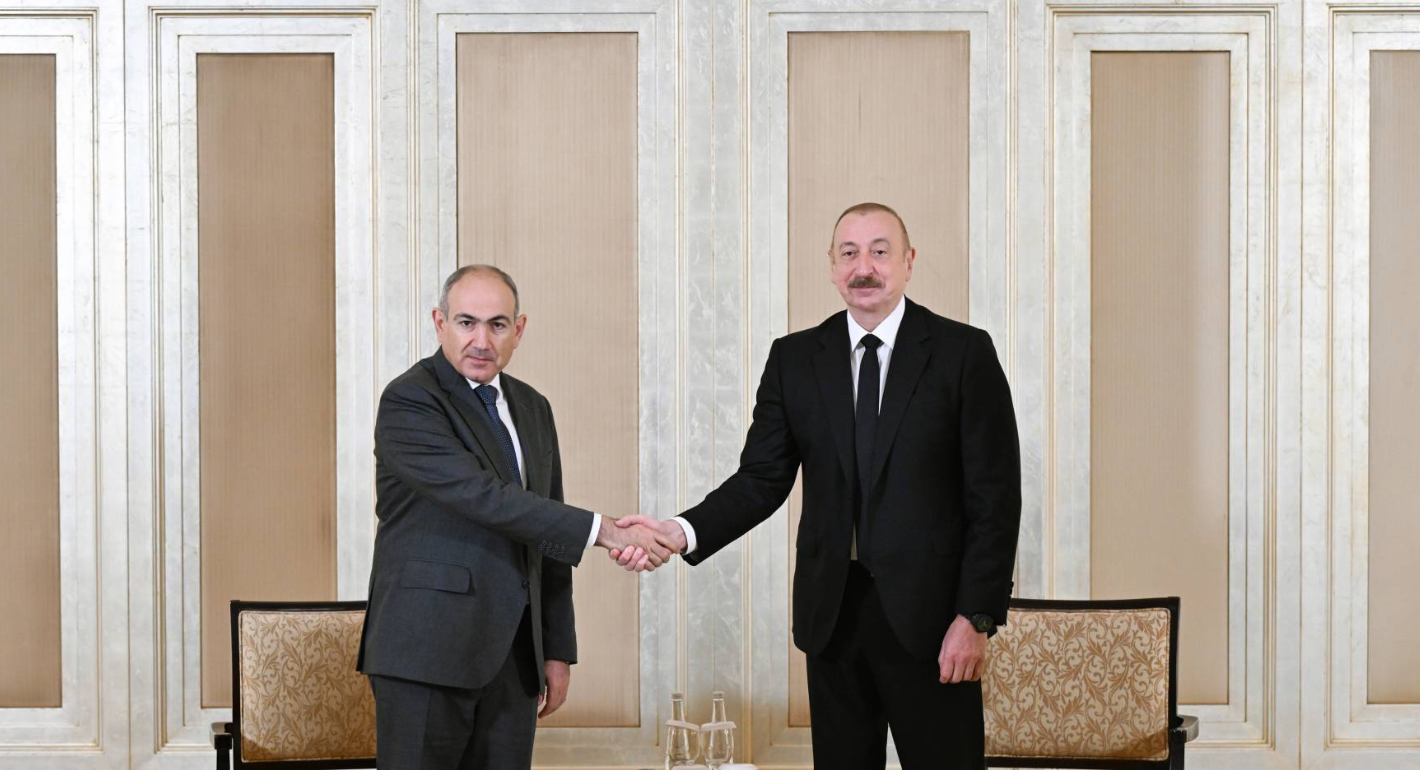
    Rewiring the South Caucasus: TRIPP and the New Geopolitics of Connectivity

    The U.S.-sponsored TRIPP deal is driving the Armenia-Azerbaijan peace process forward. But foreign and domestic hurdles remain before connectivity and economic interdependence can open up the South Caucasus.

      • Areg Kochinyan

      Thomas de Waal, Areg Kochinyan, Zaur Shiriyev

  • Research
    Planetary vs International Security: Economic Growth at the Crossroads

    Economic growth is at the heart of a dilemma between planetary and international security.
      Olivia Lazard
  • Commentary
    Strategic Europe
    Europe and the Arab Gulf Must Come Together

    The war in Iran proves the United States is now a destabilizing actor for Europe and the Arab Gulf. From protect their economies and energy supplies to safeguarding their territorial integrity, both regions have much to gain from forming a new kind of partnership together.

      • Rym Momtaz

      Rym Momtaz

  • Trump United Nations multilateralism institutions 2236462680
    Article
    Resetting Cyber Relations with the United States

    For years, the United States anchored global cyber diplomacy. As Washington rethinks its leadership role, the launch of the UN’s Cyber Global Mechanism may test how allies adjust their engagement.
      • Christopher Painter

      Patryk Pawlak, Chris Painter

  • Commentary
    Strategic Europe
    Global Instability Makes Europe More Attractive, Not Less

    Europe isn’t as weak in the new geopolitics of power as many would believe. But to leverage its assets and claim a sphere of influence, Brussels must stop undercutting itself.

      Dimitar Bechev

Get more news and analysis from
Carnegie Europe
Carnegie Europe logo, white
Rue du Congrès, 151000 Brussels, Belgium
  • Research
  • Strategic Europe
  • About
  • Experts
  • Projects
  • Events
  • Contact
  • Careers
  • Privacy
  • For Media
  • Gender Equality Plan
Get more news and analysis from
Carnegie Europe
© 2026 Carnegie Endowment for International Peace. All rights reserved.