

Commentary
Before the next wave of EU enlargement takes place, the union needs to grapple with thorny questions of how power is distributed among its members.
Emil Sondaj Hansen, Ditte Brasso Sørensen
{
  "authors": [],
  "type": "pressRelease",
  "centerAffiliationAll": "dc",
  "centers": [
    "Carnegie Endowment for International Peace"
  ],
  "collections": [],
  "englishNewsletterAll": "menaTransitions",
  "nonEnglishNewsletterAll": "",
  "primaryCenter": "Carnegie Endowment for International Peace",
  "programAffiliation": "MEP",
  "programs": [
    "Middle East"
  ],
  "projects": [],
  "regions": [
    "North Africa",
    "Egypt",
    "Algeria",
    "Morocco",
    "Bahrain",
    "Saudi Arabia",
    "Yemen"
  ],
  "topics": [
    "Political Reform"
  ]
}
REQUIRED IMAGE
Despite passing considerable economic and social reforms Arab regimes continue to avoid substantive political reforms that would jeopardize their own power. Reformers in ruling establishments recognize the need for change to increase economic competitiveness, but the preferred process of “managed reform” is leading to further political stagnation.
WASHINGTON, Dec 12— Despite passing considerable economic and social reforms Arab regimes continue to avoid substantive political reforms that would jeopardize their own power. Reformers in ruling establishments recognize the need for change to increase economic competitiveness, but the preferred process of “managed reform” is leading to further political stagnation, says a new paper from the Carnegie Endowment for International Peace.
In Incumbent Regimes and the “King's Dilemma” in the Arab World: Promise and Threat of Managed Reform, Carnegie Senior Associates Marina Ottaway and Michele Dunne argue that emerging, reform-minded leaders in Arab nations face a dilemma—globalization and better public access to information are prompting calls for modernization, yet history shows that even limited reforms introduced from the top often increase, rather than decrease, bottom-up demand for more radical change, as in the case of the Iranian revolution. To contend with this threat, Arab regimes are attempting to control the process of change through “managed reforms”: the introduction of formal, institutional reform without the transfer of real power (Bahrain and Egypt); substantive improvements in citizens' rights without institutional reform (Morocco); or the limited participation of legitimate opposition groups (Yemen and Algeria).
Key Conclusions:
“The evidence so far is that the top-down process is having very little effect, making at best a marginal difference on specific issues but not leading to the redistribution of power that a true process of democratization and even liberalization would entail. For domestic advocates of managed reform and for outsiders seeking to promote change alike, the lesson appears to be that political reform can never be risk free: Too much close management perpetuates authoritarianism, and unmanaged processes have unpredictable outcomes.”
###
NOTES
Carnegie does not take institutional positions on public policy issues; the views represented herein are those of the author(s) and do not necessarily reflect the views of Carnegie, its staff, or its trustees.

Before the next wave of EU enlargement takes place, the union needs to grapple with thorny questions of how power is distributed among its members.


Emil Sondaj Hansen, Ditte Brasso Sørensen

The aftermath of the Ceuta crisis shows Europe has drawn the wrong lessons. Rather than doubling down on failed migration policies, the EU needs to address the underlying roots of such episodes.

Richard Youngs

As the EU confronts profound challenges, several leaders have called for fundamental reform to the union’s model—but only modest, superficial changes have resulted. What if Europe really could be reimagined from zero today: What should such a redesigned European order look like?
Richard Youngs, ed.

The EU’s new migration policy is not suited to today’s realities. With climate change increasingly becoming a driver of displacement, Europe needs to rethink its deterrence-focused approach.

Shana Tabak
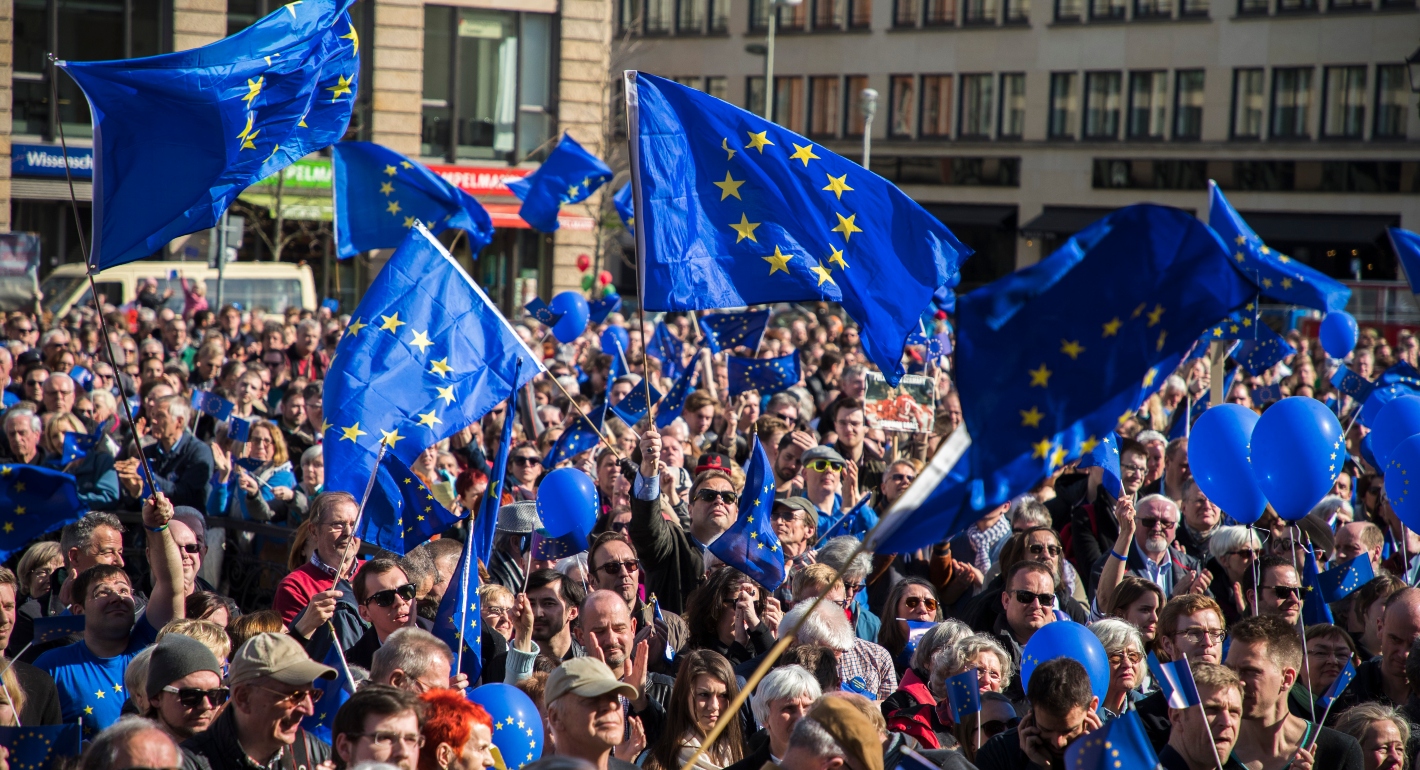
Preparing candidate countries for EU membership is no longer enough. As the enlargement process becomes a reality, the union must also prepare its own societies.

Iliriana Gjoni