

Other
Wang Yanjia, William Chandler
{
  "authors": [
    "William Chandler"
  ],
  "type": "testimony",
  "centerAffiliationAll": "dc",
  "centers": [
    "Carnegie Endowment for International Peace"
  ],
  "collections": [],
  "englishNewsletterAll": "ctw",
  "nonEnglishNewsletterAll": "",
  "primaryCenter": "Carnegie Endowment for International Peace",
  "programAffiliation": "SCP",
  "programs": [
    "Sustainability, Climate, and Geopolitics"
  ],
  "projects": [],
  "regions": [
    "North America",
    "United States",
    "East Asia",
    "China"
  ],
  "topics": [
    "Climate Change"
  ]
}
Source: Getty
Successful Post-Kyoto leadership on climate policy requires three elements: stronger goals, effective implementation, and the participation of the United States and China.
Successful Post-Kyoto leadership on climate policy requires three elements: stronger goals, effective implementation, and the participation of the United States and China.
In a presentation at the opening plenary of the ACEEE/CEE 12th annual National Symposium on Market Transformation, Carnegie Energy and Climate Program Director William Chandler suggests achievable climate targets and policies for G8 countries and China. Governments can change climate behavior through four mechanisms: regulation, taxation, spending on R&D and subsidies, and providing information. To reach ambitious climate targets, policy-makers must understand how these tools interact to affect individual and industrial consumption of energy. This, in turn, requires better application of behavioral economics and grassroots organizing.
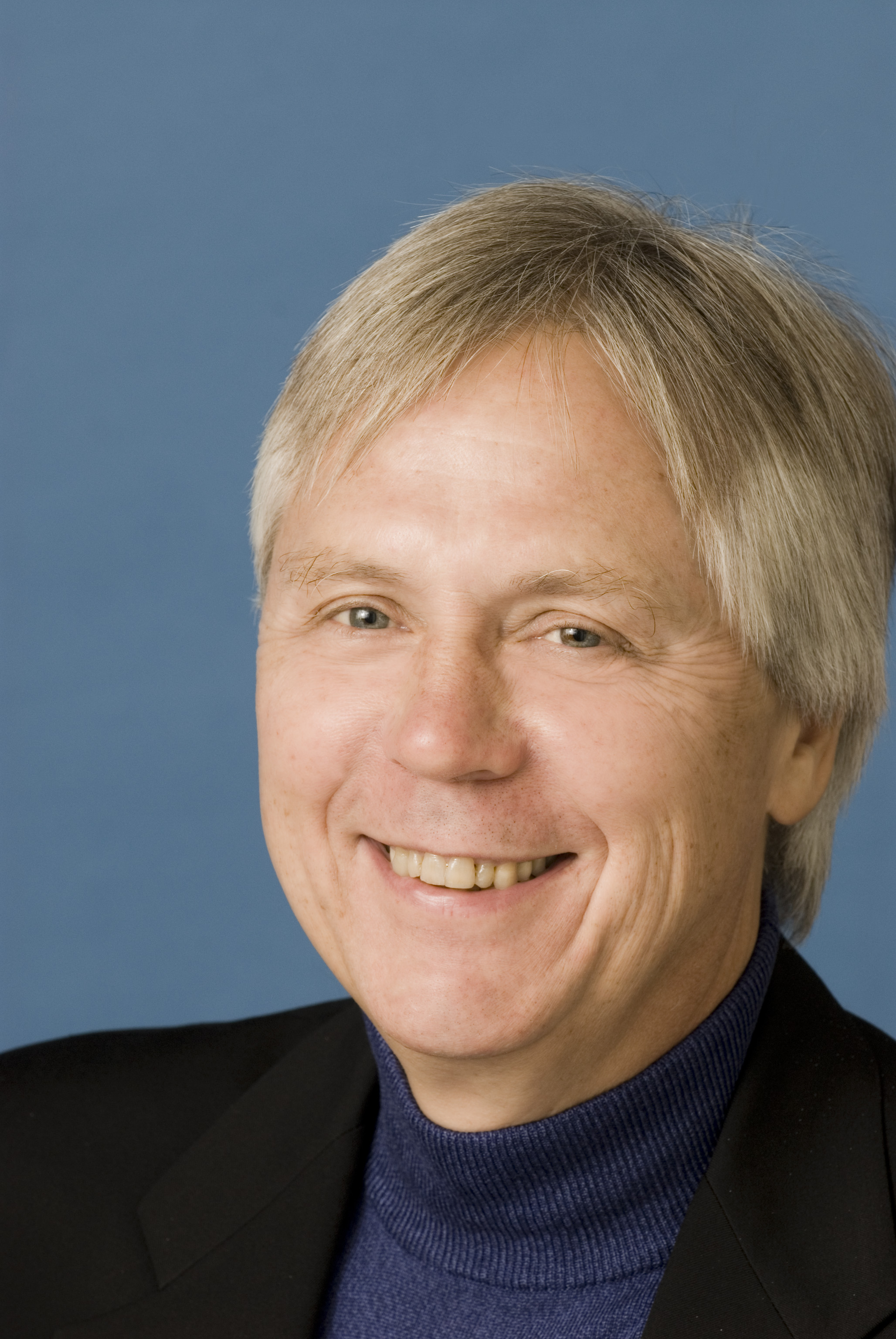
Former Adjunct Senior Associate, Energy and Climate Program
Chandler is a leading expert on energy and climate. As an adjunct senior associate in the Energy and Climate Program he supports Carnegie’s work in these fields, collaborating closely on projects with Carnegie’s offices in Moscow, Beijing, Brussels, and Beirut.
Recent Work
Wang Yanjia, William Chandler

William Chandler, Taiya M. Smith
Carnegie does not take institutional positions on public policy issues; the views represented herein are those of the author(s) and do not necessarily reflect the views of Carnegie, its staff, or its trustees.

Radical-right parties are expected to do well in upcoming elections in four of the EU's biggest member states. If successful, they could prevent the union from addressing key challenges ahead.

Stefan Lehne

Canadian Prime Minister Mark Carney has twice inspired praise for standing up to U.S. President Donald Trump: at the 2026 World Economic Forum in Davos and on Canada-U.S. trade negotiations. Is Carney showing a third way better than the EU has in dealing with the Trump administration?

Rym Momtaz, ed.

European states control several Overseas Countries and Territories around the world that carry strategic, economic, and environmental weight. As great powers challenge the rules-based order, defending them is a geopolitical imperative for Europe.

Marc Pierini

In supporting Europe’s far-right, MAGA and Russia both want the same thing: a weaker EU. Europe must defend itself without abandoning the openness these forces exploit.

Armida van Rij

As we close out another season of Strategic Europe, it is worth taking stock of the deep shifts underway.
Rym Momtaz