

In The Media
Minxin Pei
{
  "authors": [
    "Minxin Pei"
  ],
  "type": "legacyinthemedia",
  "centerAffiliationAll": "dc",
  "centers": [
    "Carnegie Endowment for International Peace",
    "Carnegie China"
  ],
  "collections": [],
  "englishNewsletterAll": "asia",
  "nonEnglishNewsletterAll": "",
  "primaryCenter": "Carnegie China",
  "programAffiliation": "AP",
  "programs": [
    "Asia"
  ],
  "projects": [],
  "regions": [
    "China"
  ],
  "topics": [
    "Economy",
    "Domestic Politics"
  ]
}
Source: Getty
Whether China will undertake political reform, which is broadly defined here as institutional changes that rationalize bureaucracy, strengthen the rule of law, expand political participation, and protect human rights, has been one of the most important issues facing policy- makers in China and the West ever since China began its economic reform in 1979.
Whether China will undertake political reform, which is broadly defined here as institutional changes that rationalize bureaucracy, strengthen the rule of law, expand political participation, and protect human rights, has been one of the most important issues facing policy- makers in China and the West ever since China began its economic reform in 1979. Many Western policy-makers expected that, as China becomes more wealthy and integrated into the global economy, the combination of social change especially the growth of the middle class), political evolution (the emergence of a new and perhaps more forward- looking elite), and economic-technological transformation (expanding private sector and access to information) would foster political liberalization
in China.
For full text of the article, please see the PDF document on the right
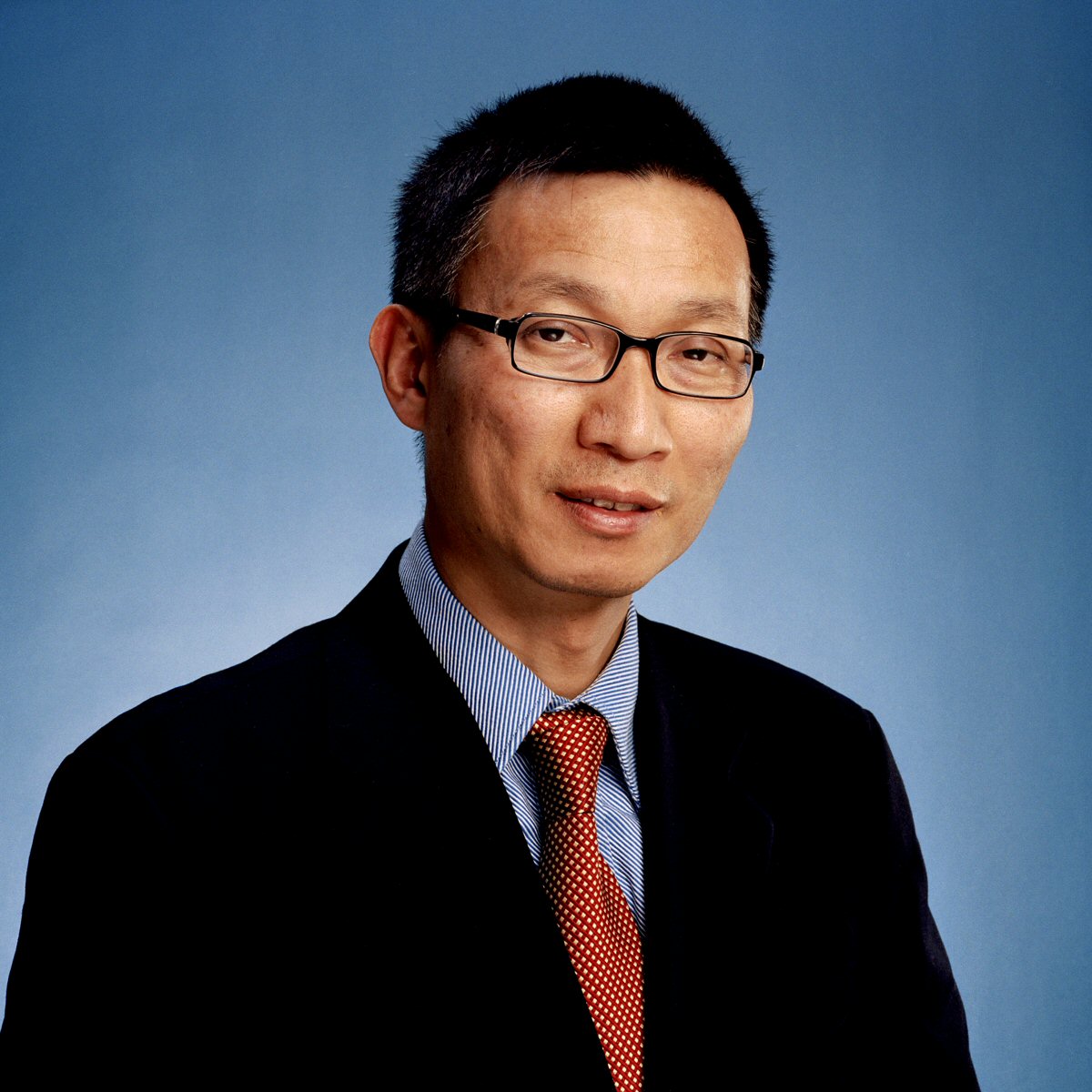
Former Adjunct Senior Associate, Asia Program
Pei is Tom and Margot Pritzker ‘72 Professor of Government and the director of the Keck Center for International and Strategic Studies at Claremont McKenna College.
Recent Work
Minxin Pei
Minxin Pei
Carnegie does not take institutional positions on public policy issues; the views represented herein are those of the author(s) and do not necessarily reflect the views of Carnegie, its staff, or its trustees.

With its public finances in shambles, the far right polling at 35 percent ahead of the 2027 presidential election, and a growing protest movement, is France’s crisis a threat to the EU’s geopolitical awakening?

Rym Momtaz, ed.

While the EU and European governments are embracing the much-lauded middle-power moment, this entails three difficult conundrums.

Richard Youngs

Europe is facing rising populism internally as well as external pressures from Russia, China, Turkey, and the United States.

Dimitar Bechev

The European Commissioner for Trade is headed to China. But after President Xi’s bridge-building visit to Washington, can a more isolated EU overcome Beijing’s stranglehold on critical raw materials? Who will blink first?
Rym Momtaz, ed.

The domestic impacts of how long it is taking to end the war in Ukraine have pushed the French electorate to the political extremes and compromised the country’s diplomatic capacity.
Rym Momtaz