

Other
Sharon Squassoni
{
  "authors": [
    "Sharon Squassoni"
  ],
  "type": "legacyinthemedia",
  "centerAffiliationAll": "dc",
  "centers": [
    "Carnegie Endowment for International Peace",
    "Carnegie Europe"
  ],
  "collections": [
    "Korean Peninsula"
  ],
  "englishNewsletterAll": "ctw",
  "nonEnglishNewsletterAll": "",
  "primaryCenter": "Carnegie Endowment for International Peace",
  "programAffiliation": "NPP",
  "programs": [
    "Nuclear Policy"
  ],
  "projects": [],
  "regions": [
    "East Asia",
    "South Korea",
    "Asia"
  ],
  "topics": [
    "Nuclear Policy"
  ]
}
Source: Getty
The small steps achieved in the last year and a half through negotiations with North Korea in dismantling its nuclear program prove that, at least in the North Korean case, diplomacy and the path toward normalization should be given a chance.
Source: The Guardian

The United States has committed to equally symbolic gestures – lifting provisions of the Trading with the Enemy Act and removing North Korea from the state department's list of state sponsors of terrorism. The money is not likely to start flowing into North Korea from the United States anytime soon just because these restrictions have been lifted, though. North Koreans have little to sell and even less money to spend. Again, however, the real value of the gesture may lie in what it means to North Korea. Like Libya, North Korea is interested in normalisation of relations with the US after years of labouring under comprehensive sanctions. For North Korea, getting off that terrorism list is an important step toward normalisation, even if the short-term impact is negligible.
Where do these steps leave us? In addition to thousands of pages of documentation about the plutonium program, North Korea has agreed to provide access to the reactor core, to waste sites and to personnel, all of which will facilitate verification. As for the declaration promised last year, it is too soon to tell whether it will meet US expectations. This could be an issue for the next administration to decide. At a minimum, North Korea's uranium enrichment programme and proliferation activities with other states are too important to be swept under the table. The US has a host of other sanctions it can lift to provide further incentives for North Korean cooperation, including foreign aid, agricultural credits and financing and export licenses. But a sceptical US Congress must first be convinced. Its reaction to taking North Korea off the terrorism list could signal its willingness to take further steps.
Does this prove that diplomacy should be given a chance? With North Korea, unquestionably. The small steps achieved in the last year and a half stand in stark contrast to the failure of the earlier action-oriented, take-it-or-leave-it approach of the Bush administration. Some may argue that North Korea will never give up its weapons. The opportunity to question people on the ground will at least provide insight into whether this assumption is true. In the meantime, the world should be able to forestall more North Korean nuclear tests and hopefully continue on the path toward normalisation.
This article was originally published in The Guardian: http://www.guardian.co.uk/commentisfree/2008/jun/26/nuclear.korea
Former Senior Associate, Nuclear Policy Program
Squassoni came to Carnegie from the Congressional Research Service. She also served for nine years in the executive branch. Her last position at the State Department was director of Policy Coordination in the Nonproliferation Bureau.
Recent Work
Sharon Squassoni
Sharon Squassoni
Carnegie does not take institutional positions on public policy issues; the views represented herein are those of the author(s) and do not necessarily reflect the views of Carnegie, its staff, or its trustees.
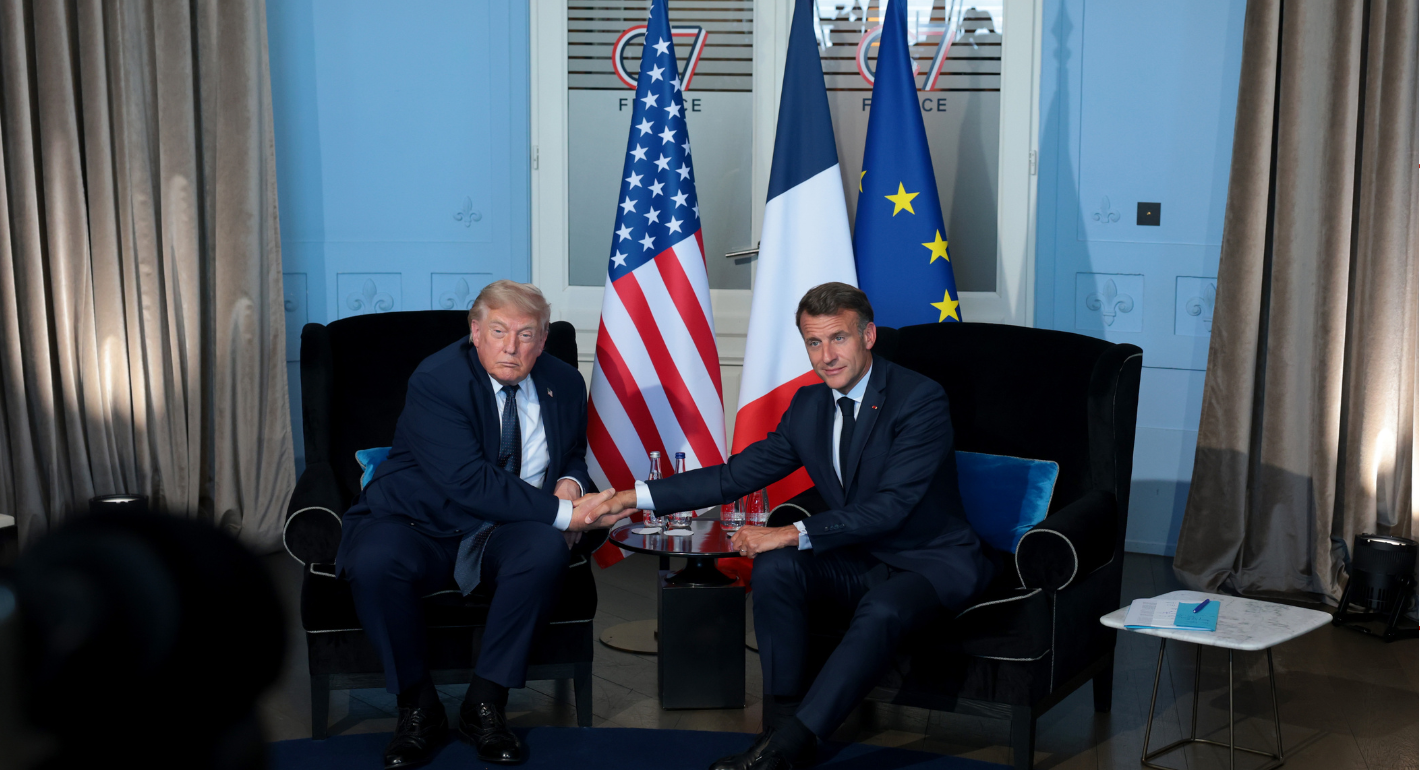
When the U.S.-Iran memorandum of understanding was announced, the UK, France, Germany, and Italy declared their readiness to help demine the Strait of Hormuz and lift nuclear sanctions on Tehran. But does Europe need new tools to recover a diplomatic role?

Rym Momtaz, ed.
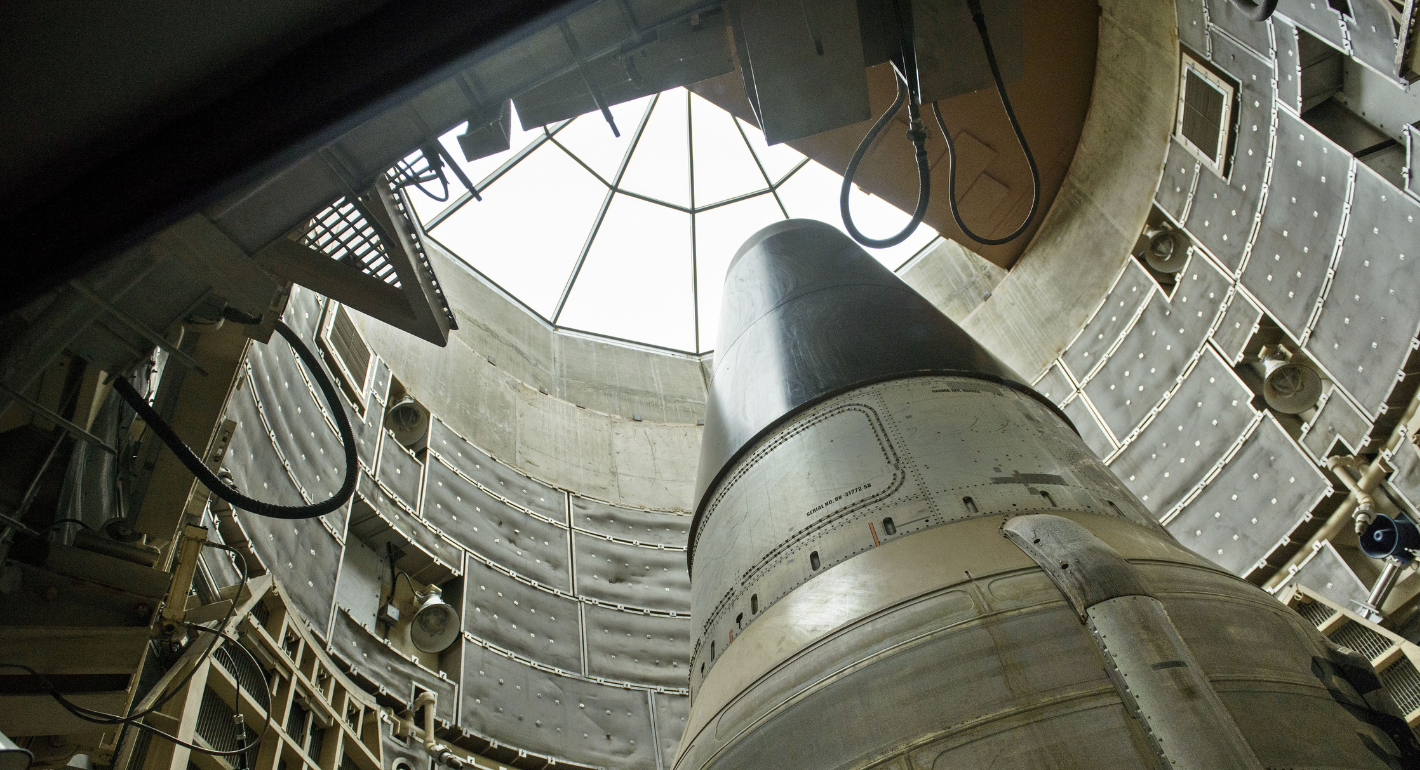
Amid uncertainty caused by the Iran war, the global drive for nonproliferation has stalled. With Europe diplomatically marginalized and countries reassessing their nuclear options, efforts to curb the spread of nuclear weapons risk becoming irrelevant.

Jane Darby Menton
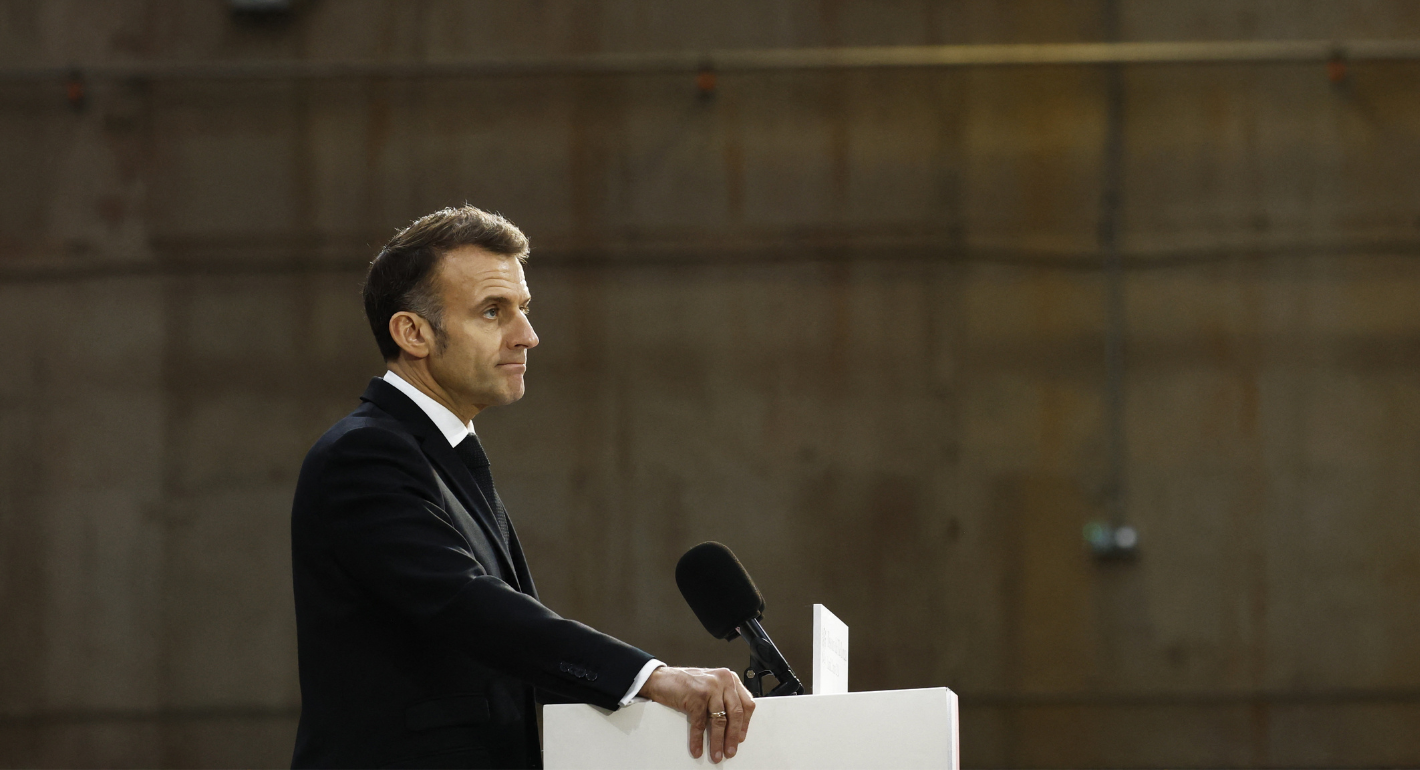
French President Emmanuel Macron has unveiled his country’s new nuclear doctrine. Are the changes he has made enough to reassure France’s European partners in the current geopolitical context?
Rym Momtaz, ed.
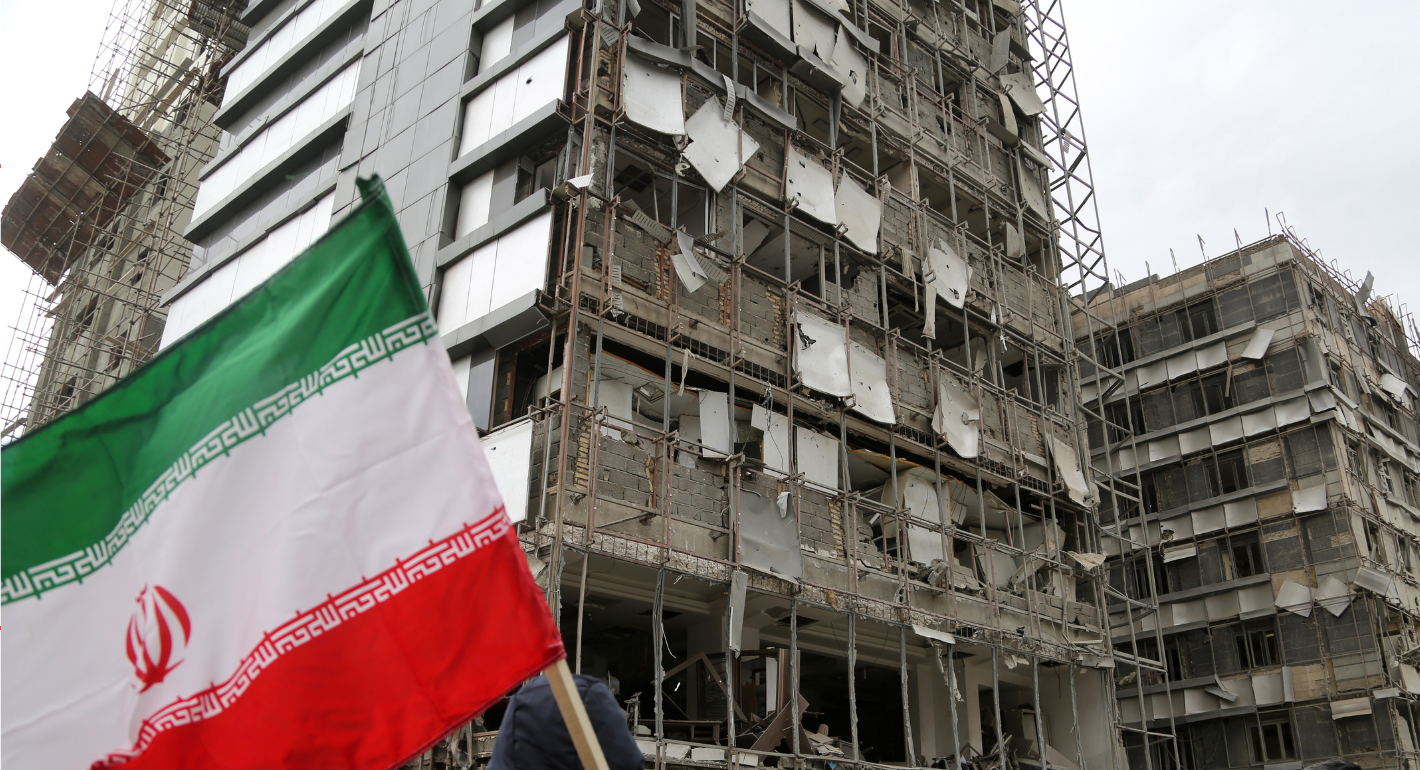
Europe’s reaction to the war in Iran has been disunited and meek, a far cry from its previously leading role in diplomacy with Tehran. To avoid being condemned to the sidelines while escalation continues, Brussels needs to stand up for international law.

Pierre Vimont
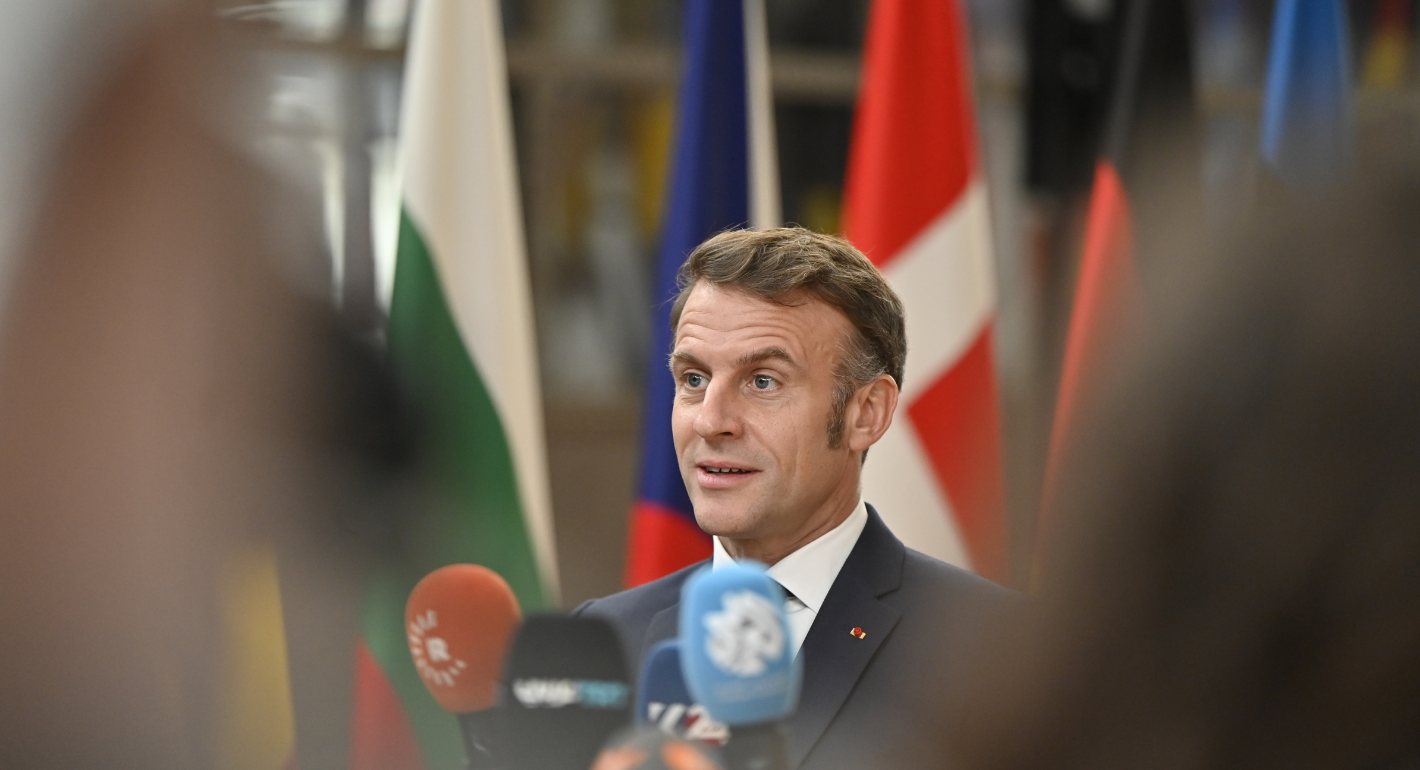
France has stopped clinging to notions of being a great power and is embracing the middle power moment. But Emmanuel Macron has his work cut out if he is to secure his country’s global standing before his term in office ends.
Rym Momtaz