

In The Media
David Rothkopf
{
  "authors": [
    "David Rothkopf"
  ],
  "type": "legacyinthemedia",
  "centerAffiliationAll": "",
  "centers": [
    "Carnegie Endowment for International Peace"
  ],
  "collections": [],
  "englishNewsletterAll": "",
  "nonEnglishNewsletterAll": "",
  "primaryCenter": "Carnegie Endowment for International Peace",
  "programAffiliation": "",
  "programs": [],
  "projects": [],
  "regions": [
    "North America",
    "United States",
    "South America"
  ],
  "topics": [
    "Economy",
    "Trade"
  ]
}
Source: Getty
As the U.S. government steps in to rescue the financial system, Latin American leaders are using the crisis to justify their own leftist policies, claiming the United States' free-market approach has collapsed. But some U.S. scholars see a middle ground; future regulation may help guide markets on the national and even the global stage, without completely departing from the free market system.
Source: NPR's All Things Considered

Latin American governments that have not adhered to the free-market “Washington Consensus” in now feel a certain sense of vindication as the flaws of free-market fundamentalism have become increasingly evident. While most U.S. experts believe that some form of free-market system is still the best option for the future, there is an increasing consensus in favor or greater regulation. As Rothkopf sees it, this moment marks a watershed in economic philosophy, when the hands-off approach of the past 25 years will give way to a new era—one where greater a governmental role in the economy may even include some forms of economic regulation on the global stage.
Click here for the full story.
Former Visiting Scholar
David Rothkopf was a visiting scholar at the Carnegie Endowment as well as the former CEO and editor in chief of the FP Group.
Recent Work
David Rothkopf
David Rothkopf
Carnegie does not take institutional positions on public policy issues; the views represented herein are those of the author(s) and do not necessarily reflect the views of Carnegie, its staff, or its trustees.
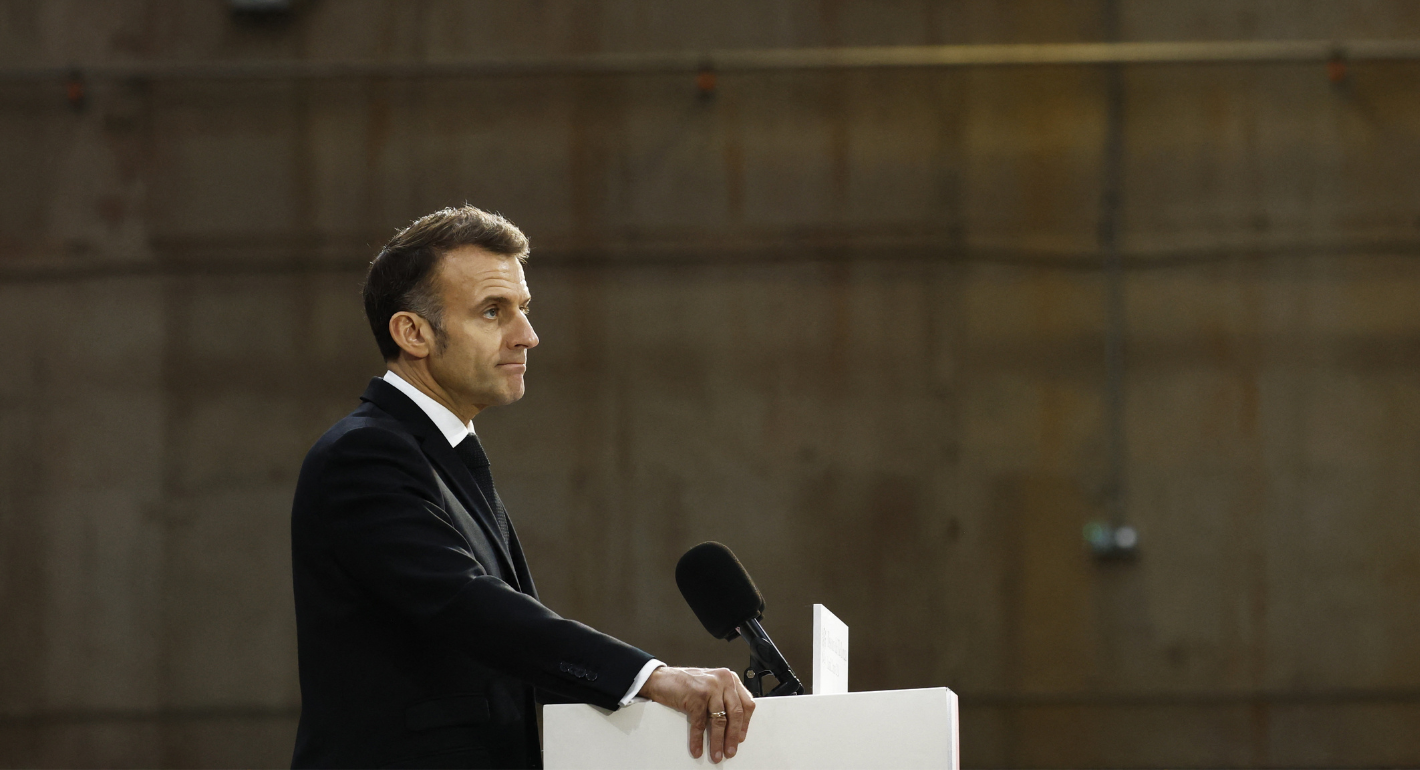
French President Emmanuel Macron has unveiled his country’s new nuclear doctrine. Are the changes he has made enough to reassure France’s European partners in the current geopolitical context?

Rym Momtaz, ed.
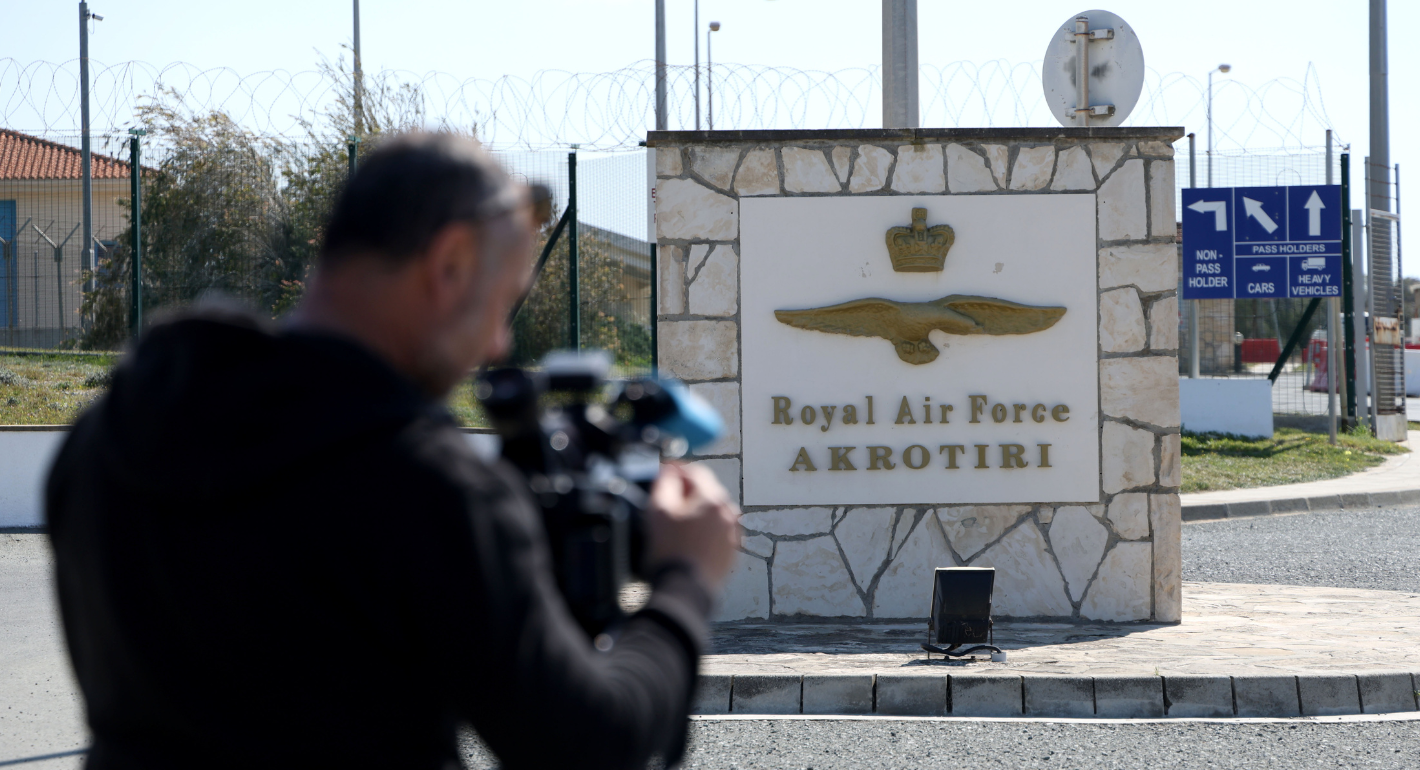
The drone strike on the British air base in Akrotiri brings Europe’s proximity to the conflict in Iran into sharp relief. In the fog of war, old tensions in the Eastern Mediterranean risk being reignited, and regional stakeholders must avoid escalation.

Marc Pierini
European reactions to the war in Iran have lost sight of wider political dynamics. The EU must position itself for the next phase of the crisis without giving up on its principles.

Richard Youngs
For years, the United States anchored global cyber diplomacy. As Washington rethinks its leadership role, the launch of the UN’s Cyber Global Mechanism may test how allies adjust their engagement.
Patryk Pawlak, Chris Painter
Europe isn’t as weak in the new geopolitics of power as many would believe. But to leverage its assets and claim a sphere of influence, Brussels must stop undercutting itself.

Dimitar Bechev