

Commentary
European Commission President Ursula von der Leyen is about to give her annual address on the state of the EU. Here’s what she won’t—but should—say.
Rym Momtaz
{
  "authors": [
    "Jessica Tuchman Mathews",
    "Douglas H. Paal"
  ],
  "type": "legacyinthemedia",
  "centerAffiliationAll": "dc",
  "centers": [
    "Carnegie Endowment for International Peace"
  ],
  "collections": [],
  "englishNewsletterAll": "asia",
  "nonEnglishNewsletterAll": "",
  "primaryCenter": "Carnegie Endowment for International Peace",
  "programAffiliation": "AP",
  "programs": [
    "Asia"
  ],
  "projects": [],
  "regions": [
    "North America",
    "United States",
    "East Asia",
    "China",
    "Taiwan"
  ],
  "topics": [
    "Foreign Policy"
  ]
}
Source: Getty
The Sino-American relationship is one of the issues that looms largest as President-elect Obama prepares to assume office in less than two weeks. To asses the developments in that relationship over the last eight years, CCTV sat down with Jessica Mathews, president of the Carnegie Endowment for International Peace, and Douglas Paal, Vice President for Studies.
Source: CCTV's Dialogue

Paal noted that although President Bush came to office as a strong Taiwan supporter, he came to be seen by many as a voice for Beijing because of deteriorating relations between the U.S. and Taiwan during Chen Shui-bian's term. Both Mathews and Paal highlighted Bush's China policy as an exception to his legacy as a unilateralist, noting that the Strategic Economic Dialogue (SED) has paved the way for sustained high-level exchanges and negotiations between the two countries. Mathews predicted that Obama would continue the SED. Paal added that the global financial crisis has illuminated the SED's strategic value, noting China's $586 stimulus package that was intended, at least in part, to mitigate the crisis' impact.
Mathews and Paal emphasized that although neoconservatives held sway over much of Bush's foreign policy approach, they did not have the upper hand as far as China policy was concerned: President Bush regarded China as a country to be engaged.

Distinguished Fellow
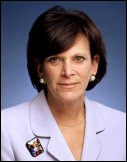
Mathews is a distinguished fellow at the Carnegie Endowment for International Peace. She served as Carnegie’s president for 18 years.
Distinguished Fellow, Asia Program
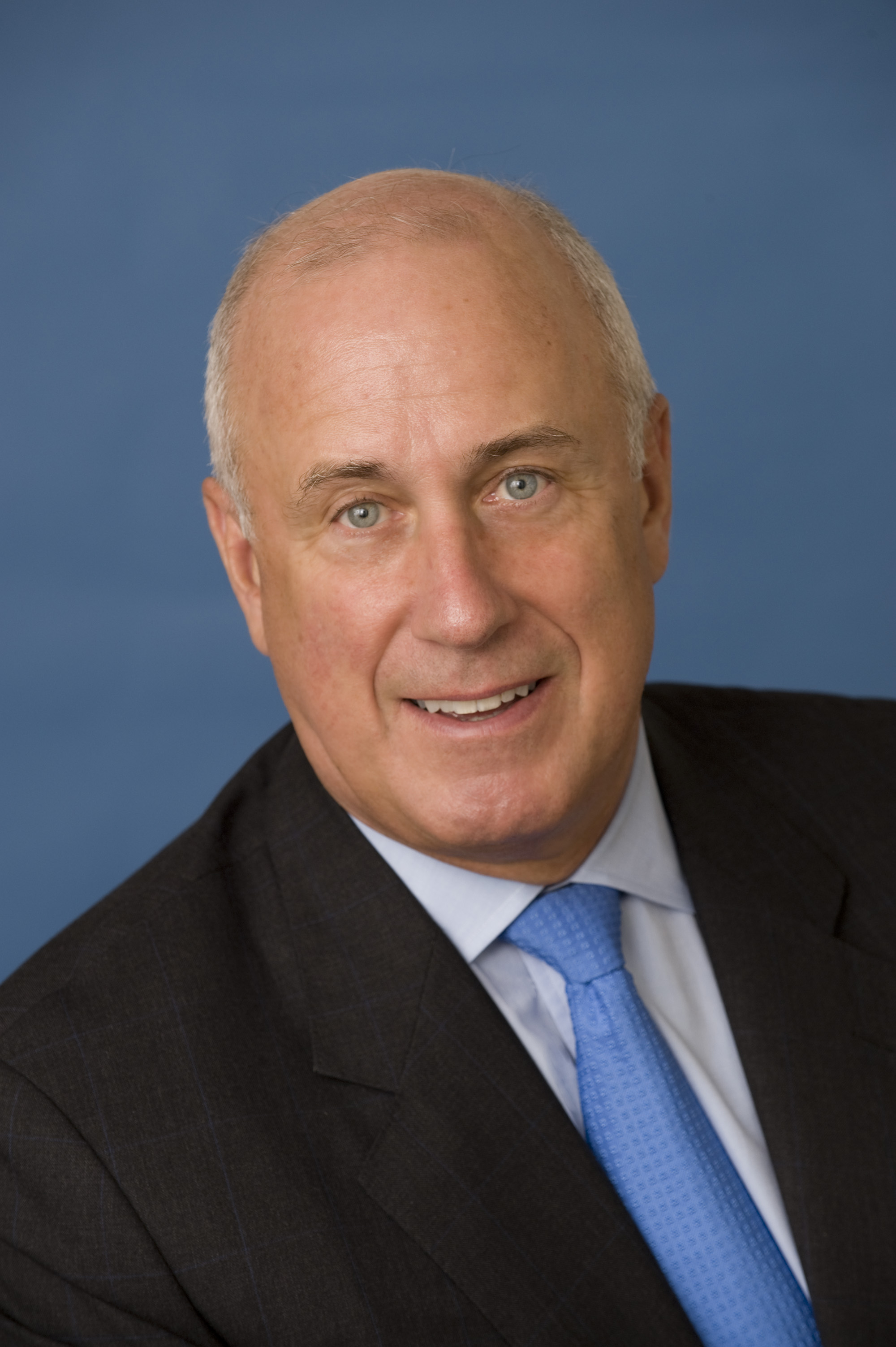
Paal previously served as vice chairman of JPMorgan Chase International and as unofficial U.S. representative to Taiwan as director of the American Institute in Taiwan.
Carnegie does not take institutional positions on public policy issues; the views represented herein are those of the author(s) and do not necessarily reflect the views of Carnegie, its staff, or its trustees.

European Commission President Ursula von der Leyen is about to give her annual address on the state of the EU. Here’s what she won’t—but should—say.

Rym Momtaz

Radical-right parties are expected to do well in upcoming elections in four of the EU's biggest member states. If successful, they could prevent the union from addressing key challenges ahead.

Stefan Lehne

The aftermath of the Ceuta crisis shows Europe has drawn the wrong lessons. Rather than doubling down on failed migration policies, the EU needs to address the underlying roots of such episodes.

Richard Youngs

Canadian Prime Minister Mark Carney has twice inspired praise for standing up to U.S. President Donald Trump: at the 2026 World Economic Forum in Davos and on Canada-U.S. trade negotiations. Is Carney showing a third way better than the EU has in dealing with the Trump administration?
Rym Momtaz, ed.

The EU’s responses to two recent incidents expose the gulf between European perceptions and capabilities. Unless the union can bridge that gap, it will never become a real geostrategic power.
Rym Momtaz