

In The Media
David Rothkopf
{
  "authors": [
    "David Rothkopf"
  ],
  "type": "legacyinthemedia",
  "centerAffiliationAll": "",
  "centers": [
    "Carnegie Endowment for International Peace"
  ],
  "collections": [],
  "englishNewsletterAll": "",
  "nonEnglishNewsletterAll": "",
  "primaryCenter": "Carnegie Endowment for International Peace",
  "programAffiliation": "",
  "programs": [],
  "projects": [],
  "regions": [
    "North America",
    "United States"
  ],
  "topics": [
    "Economy",
    "Trade"
  ]
}
Source: Getty
The genius of all great systems is their ability to reinvent themselves, to adapt to changing environments. That's the reason why those whose response to the current crisis is to announce the end of capitalism are so misguided. Capitalism will survive. But it will not, and should not, survive unchanged. We are going to enter an era of resurgent regulation at the national level and global level.
Source: PBS's NOW

We went too far toward what the French called "hyper-capitalism" of creating markets that lack the kind of regulatory mechanisms and social shock-absorbers that virtually all markets have had since the dawn of time. The idea of the completely free market is an abstraction and a practical impossibility. Since the earliest days of capitalism the rights of market actors have been constrained to protect the public good whether it was by laws enjoining dangerous behaviors or by requiring the a portion of profits go to the state to provide essential services. In our recent past we not only ideologically tried to push back too far against those mechanisms that protect the public interest with regard to markets but a number of revolutions made those mechanisms that did exist far less effective.
Globalization put many corporate activities beyond the reach of national governments. New financial instruments grew so complicated even sophisticated regulators couldn't understand them. New technologies added speed and volatility to degrees that made it impossible for regulators to keep up. And that's only the story in financial markets. In other global markets the challenges have been similarly great.
Now, in order to compensate for these failures, we are going to enter an era in which regulation is resurgent both at the national level and at the global level. New institutions will have to be created to ensure that global markets serve the greater good and disruptions within those markets do not produce unacceptable collateral damage to society. This is hardly the end of capitalism. Rather it is simply the beginning of 21st Century global capitalism. It may be different from that to which we have been accustomed for some time, but it will also be perhaps the single most important force defining the global era because it will link nations and define necessary changes with a speed and force beyond the capabilities of any other global system (including government). That can be a good thing, often will be, but we need to remember that capitalism is an amoral system and that a society without a moral basis is unsustainable. That must come, at least in part, from government. In the century ahead, it must come in part from international as well as traditional national mechanisms. Finding the balance between these new and historic forces will be one of the great challenges of the decades ahead.
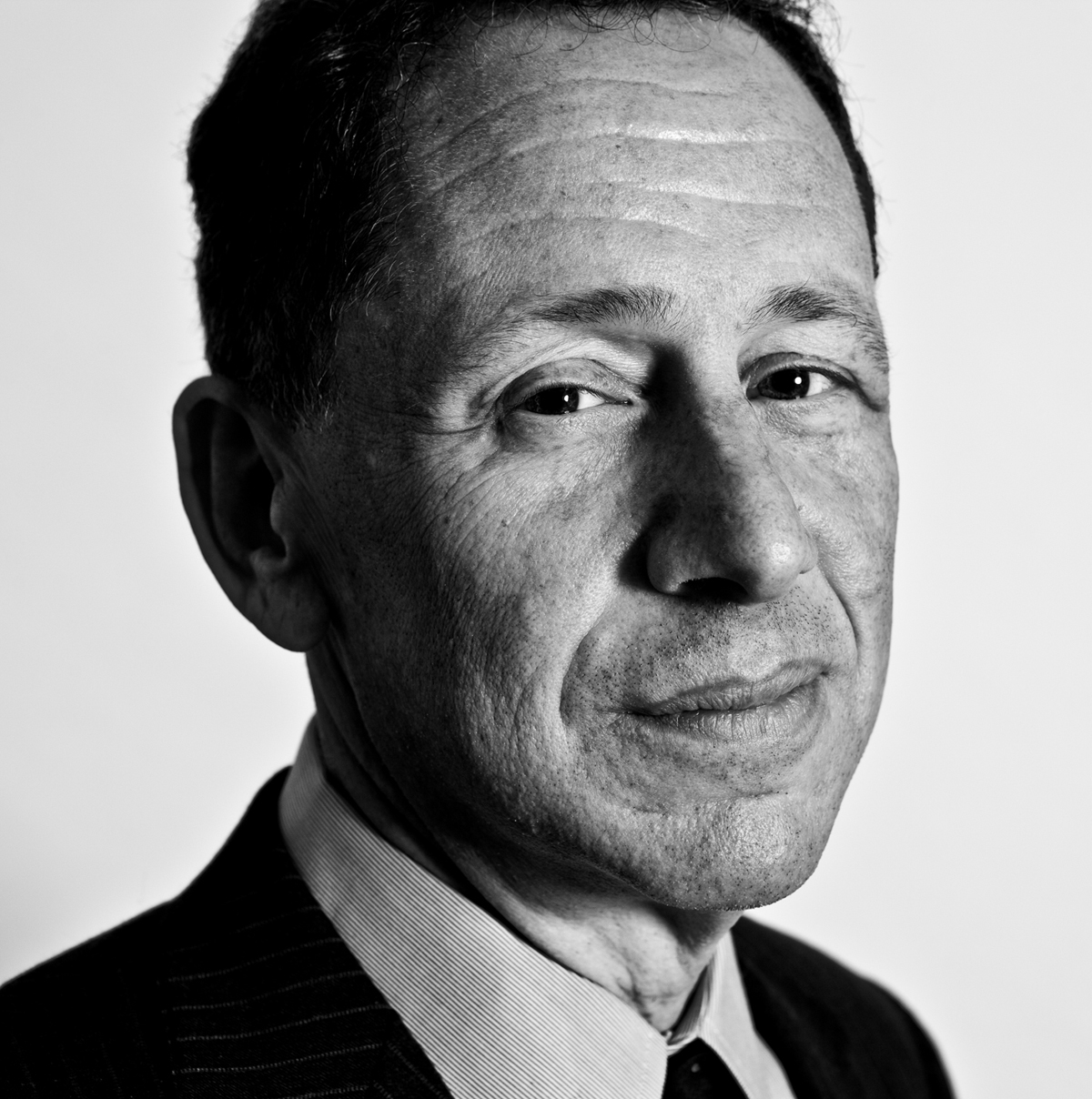
Former Visiting Scholar
David Rothkopf was a visiting scholar at the Carnegie Endowment as well as the former CEO and editor in chief of the FP Group.
Recent Work
David Rothkopf
David Rothkopf
Carnegie does not take institutional positions on public policy issues; the views represented herein are those of the author(s) and do not necessarily reflect the views of Carnegie, its staff, or its trustees.

European Commission President Ursula von der Leyen is about to give her annual address on the state of the EU. Here’s what she won’t—but should—say.

Rym Momtaz

Radical-right parties are expected to do well in upcoming elections in four of the EU's biggest member states. If successful, they could prevent the union from addressing key challenges ahead.

Stefan Lehne

Canadian Prime Minister Mark Carney has twice inspired praise for standing up to U.S. President Donald Trump: at the 2026 World Economic Forum in Davos and on Canada-U.S. trade negotiations. Is Carney showing a third way better than the EU has in dealing with the Trump administration?
Rym Momtaz, ed.

European states control several Overseas Countries and Territories around the world that carry strategic, economic, and environmental weight. As great powers challenge the rules-based order, defending them is a geopolitical imperative for Europe.

Marc Pierini

In supporting Europe’s far-right, MAGA and Russia both want the same thing: a weaker EU. Europe must defend itself without abandoning the openness these forces exploit.

Armida van Rij