

Article
Dr. Albert Keidel
{
  "authors": [
    "Albert Keidel"
  ],
  "type": "legacyinthemedia",
  "centerAffiliationAll": "dc",
  "centers": [
    "Carnegie Endowment for International Peace"
  ],
  "collections": [],
  "englishNewsletterAll": "asia",
  "nonEnglishNewsletterAll": "",
  "primaryCenter": "Carnegie Endowment for International Peace",
  "programAffiliation": "AP",
  "programs": [
    "Asia"
  ],
  "projects": [],
  "regions": [
    "North America",
    "United States",
    "East Asia",
    "China"
  ],
  "topics": [
    "Economy",
    "Foreign Policy"
  ]
}
Source: Getty
By whatever means necessary, China needs to reduce its global trade surplus dramatically -- ideally to zero and below by sometime in 2010. China's exports will most probably continue to grow, even if modestly. Hence, China must put its late-phase World Trade Organisation mechanisms into high gear and open import channels wide, especially for consumer goods.
Source: South China Morning Post

The confusion reflects commentary that the US needs China to finance its deficit-spending stimulus programme.
The serious concern emphasises how China's trade policies can play a critical role to ensure the global crisis doesn't trigger global protectionism.
"China is America's banker" is a phrase one often hears, along with "China has massive foreign exchange reserves". Hold on, though. No US stimulus package will need a cent from China. At the risk of grossly oversimplifying, here is how America finances a stimulus package like the one it needs now.
Using only entries on its balance sheet, the Federal Reserve System creates cash and uses it to buy bills from the Treasury Department. The Treasury spends the money, based on Congressional appropriations. Congress also has to raise the debt ceiling. That's it. It has nothing to do with China.
Besides, China's reserves are already in Treasury bills and other hard currency debt instruments. China has all along been paying out most of its export earnings to buy these bills, using abundant liquidity the Fed made available to American households to buy, among other things, imports from China. In this sense, the US is China's banker, not the other way round.
And China's reserves aren't that big, anyway. The word "massive" is inappropriate. They are hardly massive compared with the size of China's money supply, which is the relevant standard for a soft currency in this era of instant capital flows. China's reserves at the start of the year were 28 per cent of its money supply. Is that a lot?
South Korea's reserves early this year were 30 per cent of its money supply and, yet, this level has proved inadequate. Capital flight has caused the Korean won to devalue nearly 40 per cent this year, despite US Federal Reserve bailout credits. Ten years ago, Singapore lost 26 per cent of its money supply in the Asian financial crisis. For a China hoping, some day, to safely liberalise international financial flows, its reserves now seem inadequate.
In this, and other dimensions, China's economy -- at one-tenth of the Group of Seven leading industrialised nations' gross domestic product -- is still too small to be a major factor in solving the current financial and economic crisis. But there is one important, maybe essential, thing China can do.
China's global trade surplus for goods and services last year was 9 per cent of its GDP. That is huge in a relative sense. As the world enters a deep recession next year, a surplus like that is a lightning rod for protectionist strikes by a range of charged-up domestic political forces virtually everywhere -- not least the US Congress.
The G20 meeting last month made resisting protectionism a primary responsibility of all parties. China can arguably do more in this regard than any other G20 member.
By whatever means necessary, China needs to reduce its global trade surplus dramatically -- ideally to zero and below by sometime in 2010. China's exports will most probably continue to grow, even if modestly. Hence, China must put its late-phase World Trade Organisation mechanisms into high gear and open import channels wide, especially for consumer goods.
Hopefully, Mr Paulson put all his persuasive powers into pointing out how China, by shrinking its trade surplus quickly in any way it sees fit, could help prevent an unravelling of the international trading system on which China's -- and the world's -- well being so critically depends. In less than two years, at the time of US congressional elections, such an accomplishment would call for thanks from everywhere.
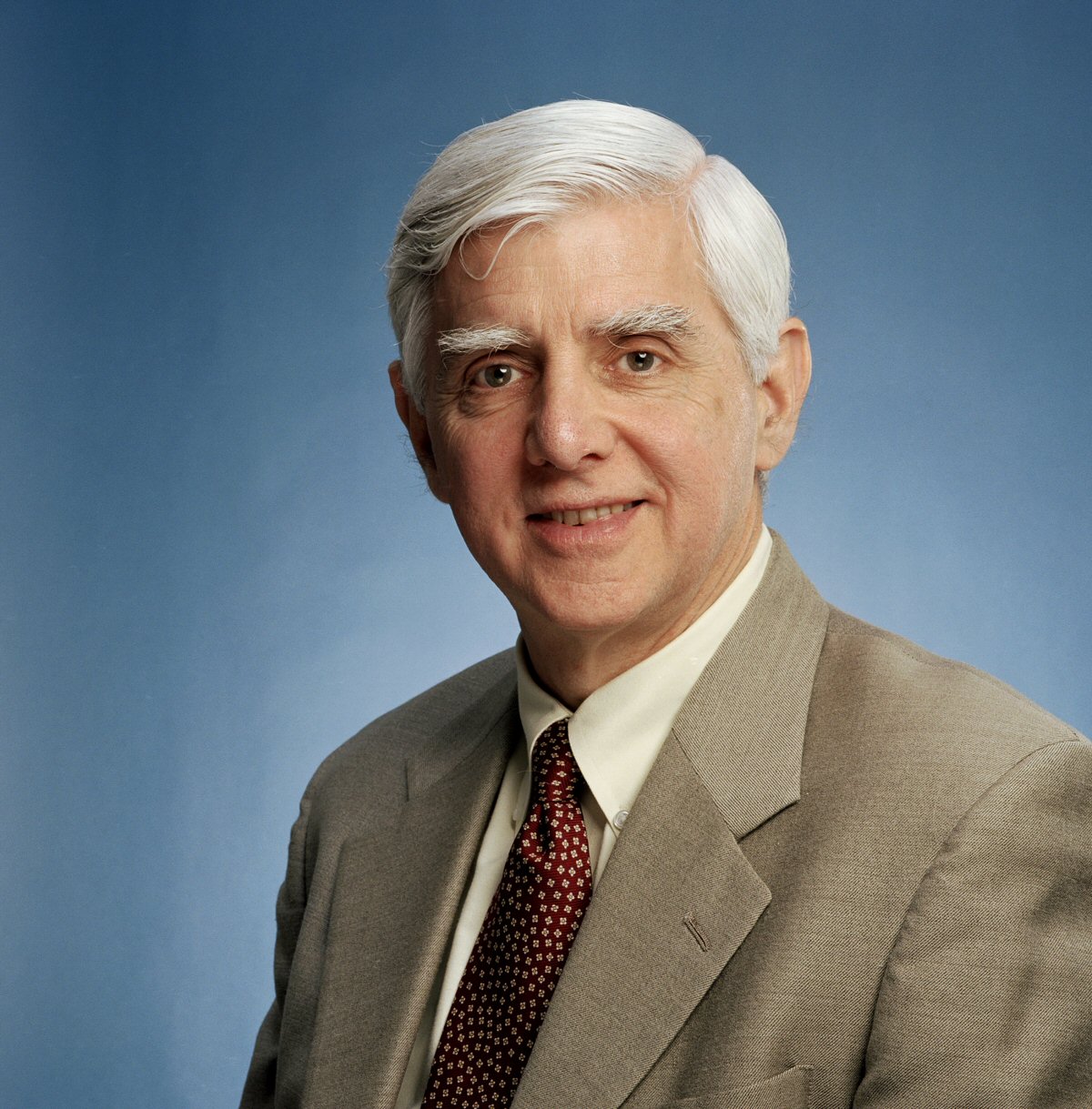
Former Senior Associate, China Program
Keidel served as acting director and deputy director for the Office of East Asian Nations at the U.S. Department of the Treasury. Before joining Treasury in 2001, he covered economic trends, system reforms, poverty, and country risk as a senior economist in the World Bank office in Beijing.
Recent Work
Dr. Albert Keidel
Dr. Albert Keidel
Carnegie does not take institutional positions on public policy issues; the views represented herein are those of the author(s) and do not necessarily reflect the views of Carnegie, its staff, or its trustees.

Are Germany’s economic, industrial, and political struggles becoming a liability for the EU’s ability to rise to the geopolitical moment?

Rym Momtaz, ed.

European Commission President Ursula von der Leyen is about to give her annual address on the state of the EU. Here’s what she won’t—but should—say.
Rym Momtaz

Radical-right parties are expected to do well in upcoming elections in four of the EU's biggest member states. If successful, they could prevent the union from addressing key challenges ahead.

Stefan Lehne

The aftermath of the Ceuta crisis shows Europe has drawn the wrong lessons. Rather than doubling down on failed migration policies, the EU needs to address the underlying roots of such episodes.

Richard Youngs

Canadian Prime Minister Mark Carney has twice inspired praise for standing up to U.S. President Donald Trump: at the 2026 World Economic Forum in Davos and on Canada-U.S. trade negotiations. Is Carney showing a third way better than the EU has in dealing with the Trump administration?
Rym Momtaz, ed.