

Commentary
There is an elephant in the room when it comes to the EU’s upcoming security strategy: Donald Trump. Unless European leaders acknowledge the depth of the transatlantic crisis, true autonomy will remain out of reach.
Stefan Lehne
{
  "authors": [],
  "type": "pressRelease",
  "centerAffiliationAll": "dc",
  "centers": [
    "Carnegie Endowment for International Peace"
  ],
  "collections": [
    "U.S. Nuclear Policy"
  ],
  "englishNewsletterAll": "ctw",
  "nonEnglishNewsletterAll": "",
  "primaryCenter": "Carnegie Endowment for International Peace",
  "programAffiliation": "NPP",
  "programs": [
    "Nuclear Policy"
  ],
  "projects": [],
  "regions": [
    "United States",
    "China",
    "Russia",
    "United Kingdom",
    "France"
  ],
  "topics": [
    "Nuclear Policy"
  ]
}
REQUIRED IMAGE
All NPT states agreed in 2000 to lay out a practical path toward nuclear disarmament—the 13 Steps. Are these still the right steps? How far have we come?
WASHINGTON, May 8—As North Korea prepares for another nuclear test and Iran continues to install centrifuges to enrich uranium, the Nuclear Non-Proliferation Treaty (NPT) needs shoring up more than ever. Delegates are meeting in New York now to prepare for the next review of the landmark treaty in 2010. A topic that will certainly be on the agenda is the “13 Practical Steps” toward nuclear disarmament.
All NPT states agreed in 2000 to lay out a practical path toward nuclear disarmament—the 13 Steps. Are these still the right steps? How far have we come? In a new paper, Sharon Squassoni assesses the progress of the declared nuclear-weapon states (United States, Russia, China, France, and the United Kingdom) on the steps, and recommends measures to breathe new life into the 13 Steps or a similar package.
Recommendations:
Squassoni concludes:
“The nuclear disarmament process must necessarily go above and beyond the NPT, particularly since there are now four states outside the regime. Yet it must also travel through the NPT, since nonproliferation is a sine qua non of disarmament. It is therefore essential that all states take the disarmament discussions seriously within the treaty review process, with an eye toward a safer world.”
###
NOTES
Carnegie does not take institutional positions on public policy issues; the views represented herein are those of the author(s) and do not necessarily reflect the views of Carnegie, its staff, or its trustees.
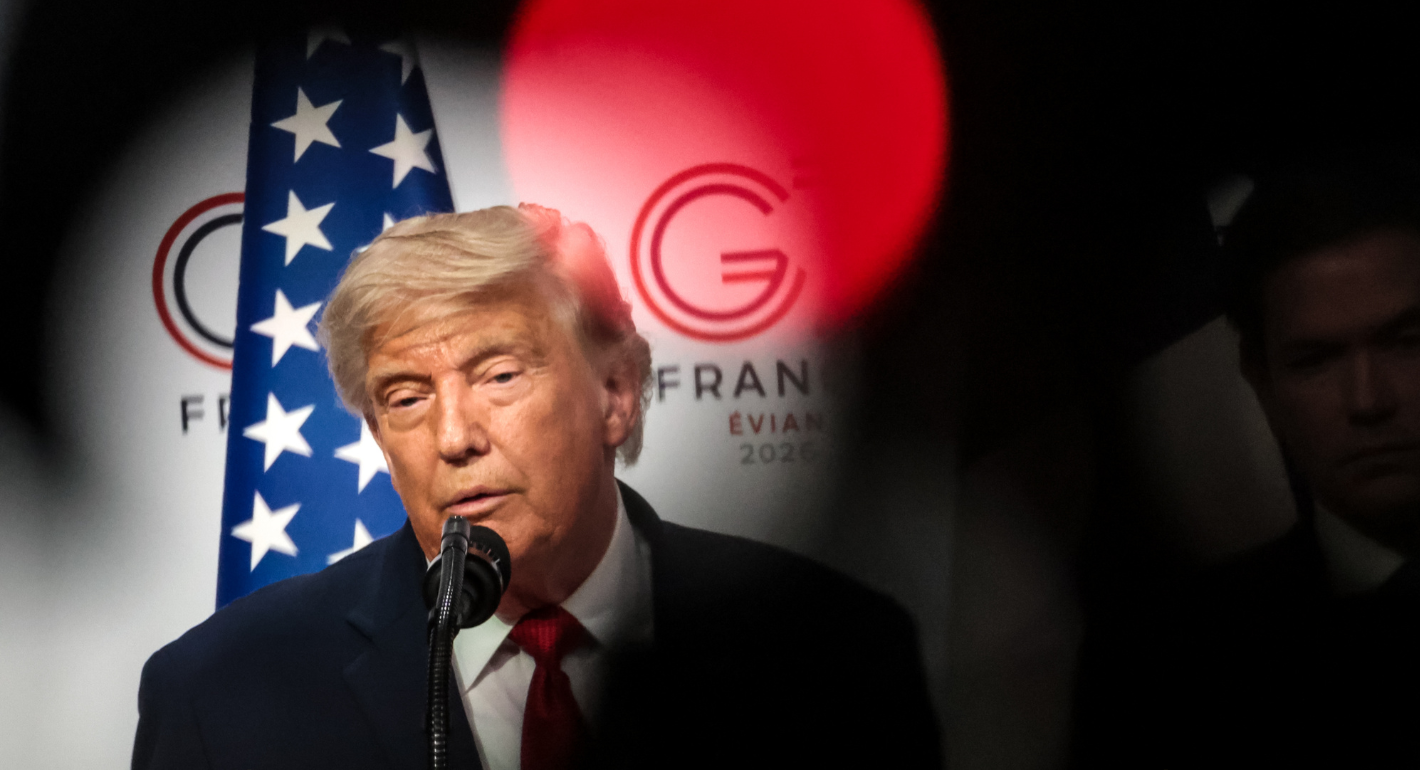
There is an elephant in the room when it comes to the EU’s upcoming security strategy: Donald Trump. Unless European leaders acknowledge the depth of the transatlantic crisis, true autonomy will remain out of reach.

Stefan Lehne

When the U.S.-Iran memorandum of understanding was announced, the UK, France, Germany, and Italy declared their readiness to help demine the Strait of Hormuz and lift nuclear sanctions on Tehran. But does Europe need new tools to recover a diplomatic role?

Rym Momtaz, ed.
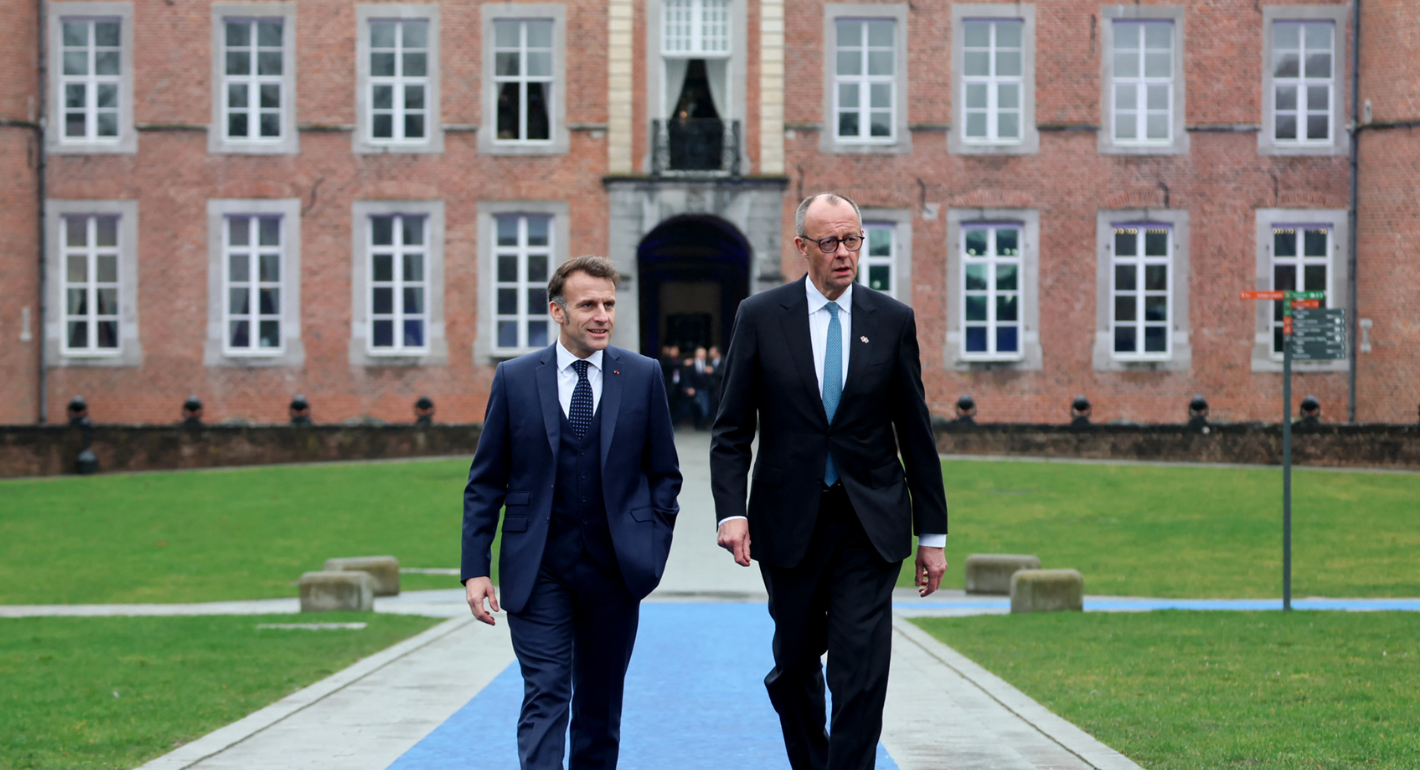
The Franco-German relationship is on the rocks again. But unlike previous moments of tension, the epochal changes on the world stage require that both step up investment in their bilateral ties.
Rym Momtaz
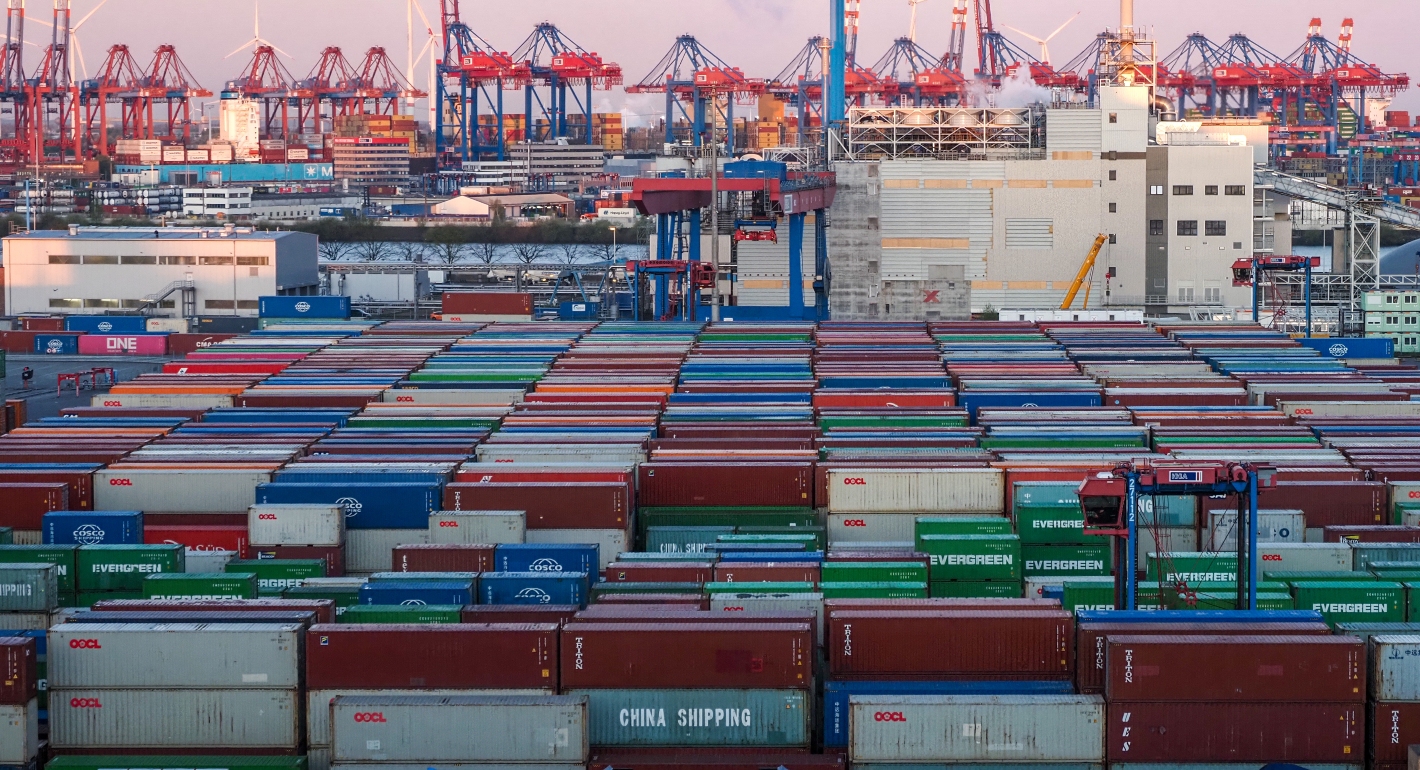
As geopolitical rivalry weaponizes global supply chains, the EU’s true vulnerability lies in emerging-risk imports. For these goods, suppliers are growing more concentrated, substitution more difficult, and political risk is looming.

Sinan Ülgen
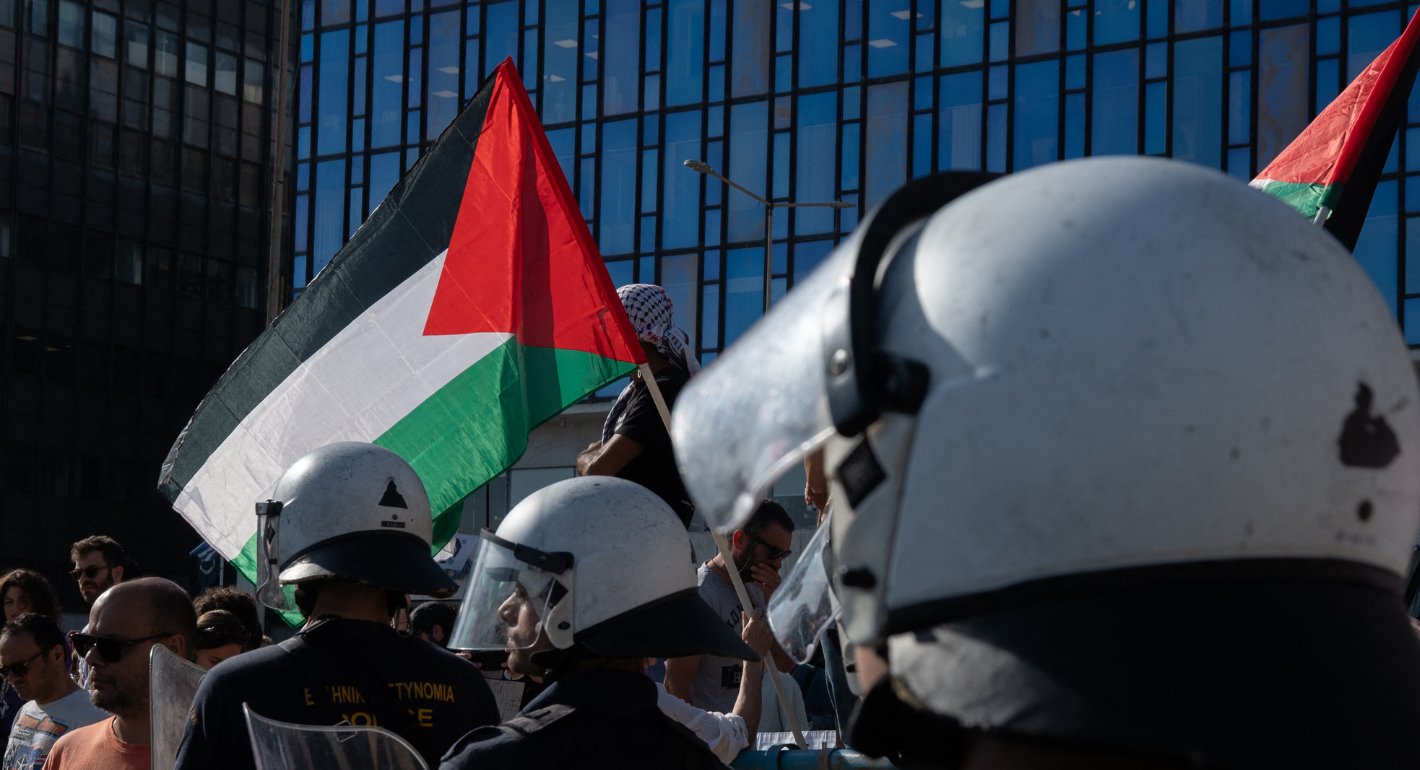
The battle over free speech has taken center stage since U.S. Vice President JD Vance accused Europe of censorship. From travel bans to social media regulation, especially around the Israel-Palestine conflict, are liberal democratic governments weaponizing free speech?
Rym Momtaz, ed.