

Q&A
Aaron David Miller, Karim Sadjadpour, Robin Wright
{
  "authors": [
    "Karim Sadjadpour"
  ],
  "type": "legacyinthemedia",
  "centerAffiliationAll": "dc",
  "centers": [
    "Carnegie Endowment for International Peace"
  ],
  "collections": [],
  "englishNewsletterAll": "menaTransitions",
  "nonEnglishNewsletterAll": "",
  "primaryCenter": "Carnegie Endowment for International Peace",
  "programAffiliation": "MEP",
  "programs": [
    "Middle East"
  ],
  "projects": [],
  "regions": [
    "Middle East",
    "Iran"
  ],
  "topics": [
    "Political Reform",
    "Foreign Policy"
  ]
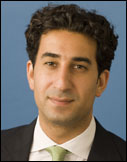
}
Source: Getty
Iranian protests in the past have always pitted the people against the regime. Demonstrations over the presidential election outcome are different because of the unprecedented fissures amongst the revolutionary elite themselves.
Source: Newshour
Protests and unrest continue in Iran over the results of the presidential election that gave President Mahmoud Ahmadinejad another four year term. Although Supreme Leader Ayatollah Khamenei has tried to quell opposition by calling on the Guardian Council to look into allegations of fraud, Karim Sadjadpour explains on the Newshour with Jim Lehrer (video segment below) that these recent events have a larger meaning for the Islamic Republic:
"I think this is really an unprecedented moment in the 30-year history of the Islamic regime. And the sense of rage and injustice you saw on the streets today in Tehran and throughout the country was really palpable. And what's different about this time around is that, in the past, all of these demonstrations have been the people against the regime. And this time, you see unprecedented fissures amongst the revolutionary elite themselves. Someone like former President Hashemi Rafsanjani, who was one of the founding fathers of the Islamic Republic, is now in the opposition. Mir Hossein Mousavi, who has impeccable revolutionary credentials, who was the prime minister during the 1980s, is now part of the opposition. So we've never seen these types of fissures before amongst the political elite themselves."

Senior Fellow, Middle East Program
Karim Sadjadpour is a senior fellow at the Carnegie Endowment for International Peace, where he focuses on Iran and U.S. foreign policy toward the Middle East.
Recent Work


Aaron David Miller, Karim Sadjadpour, Robin Wright
Aaron David Miller, David Petraeus, Karim Sadjadpour
Carnegie does not take institutional positions on public policy issues; the views represented herein are those of the author(s) and do not necessarily reflect the views of Carnegie, its staff, or its trustees.
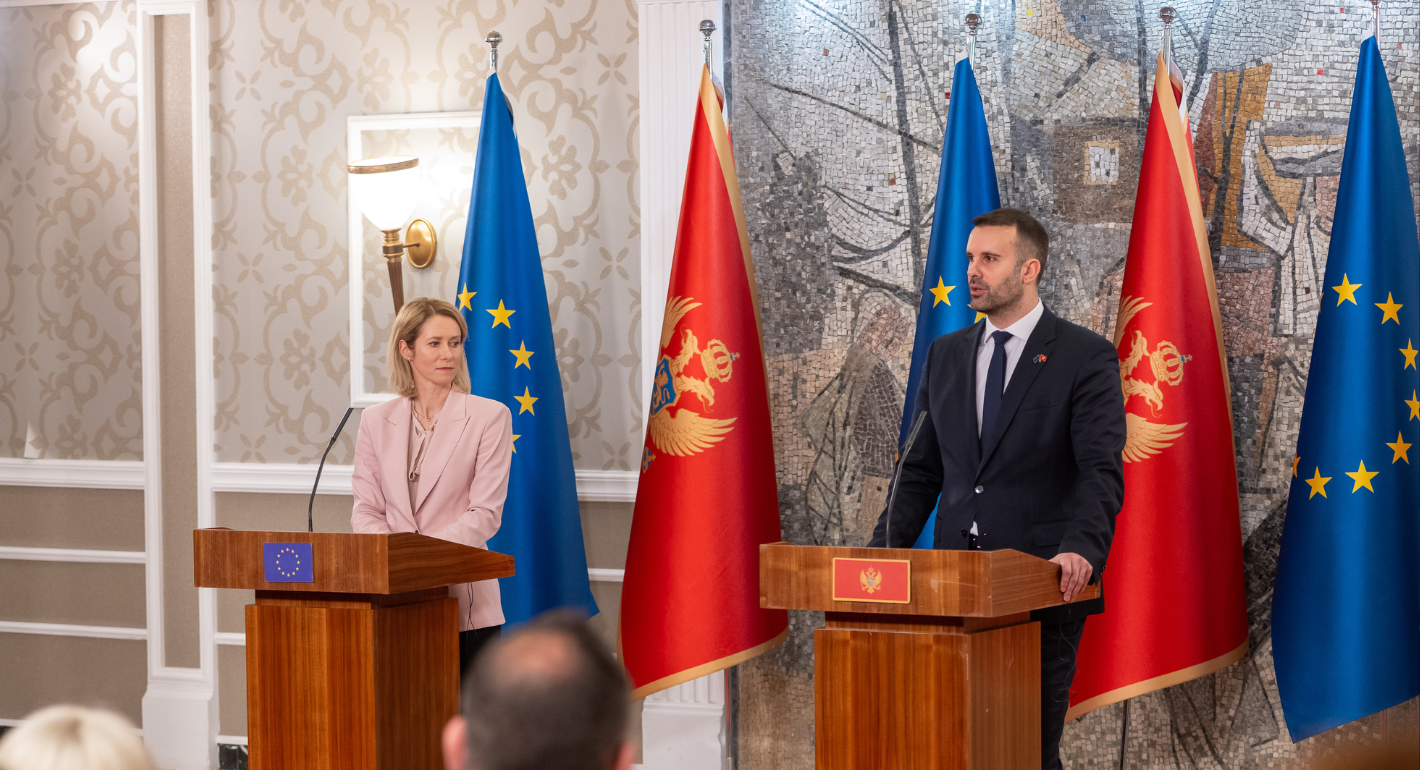
Montenegro and Albania are frontrunners for EU enlargement in the Western Balkans, but they can’t just sit back and wait. To meet their 2030 accession ambitions, they must make a strong positive case.


Dimitar Bechev, Iliriana Gjoni
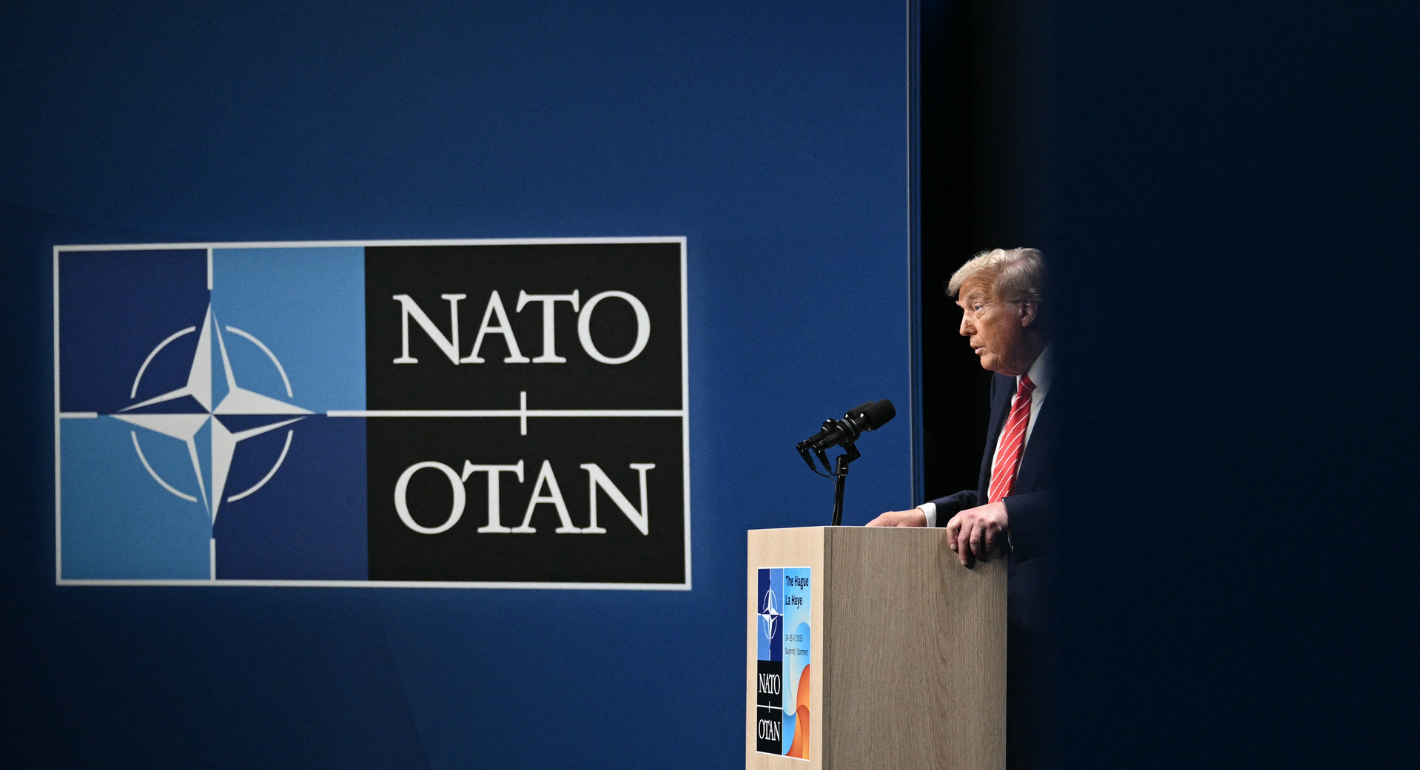
Donald Trump has repeatedly bashed NATO and European allies, threatening to annex Canada and Greenland and deploring their lack of enthusiasm for his war of choice in Iran. Is this latest round of abuse the final straw?

Rym Momtaz, ed.
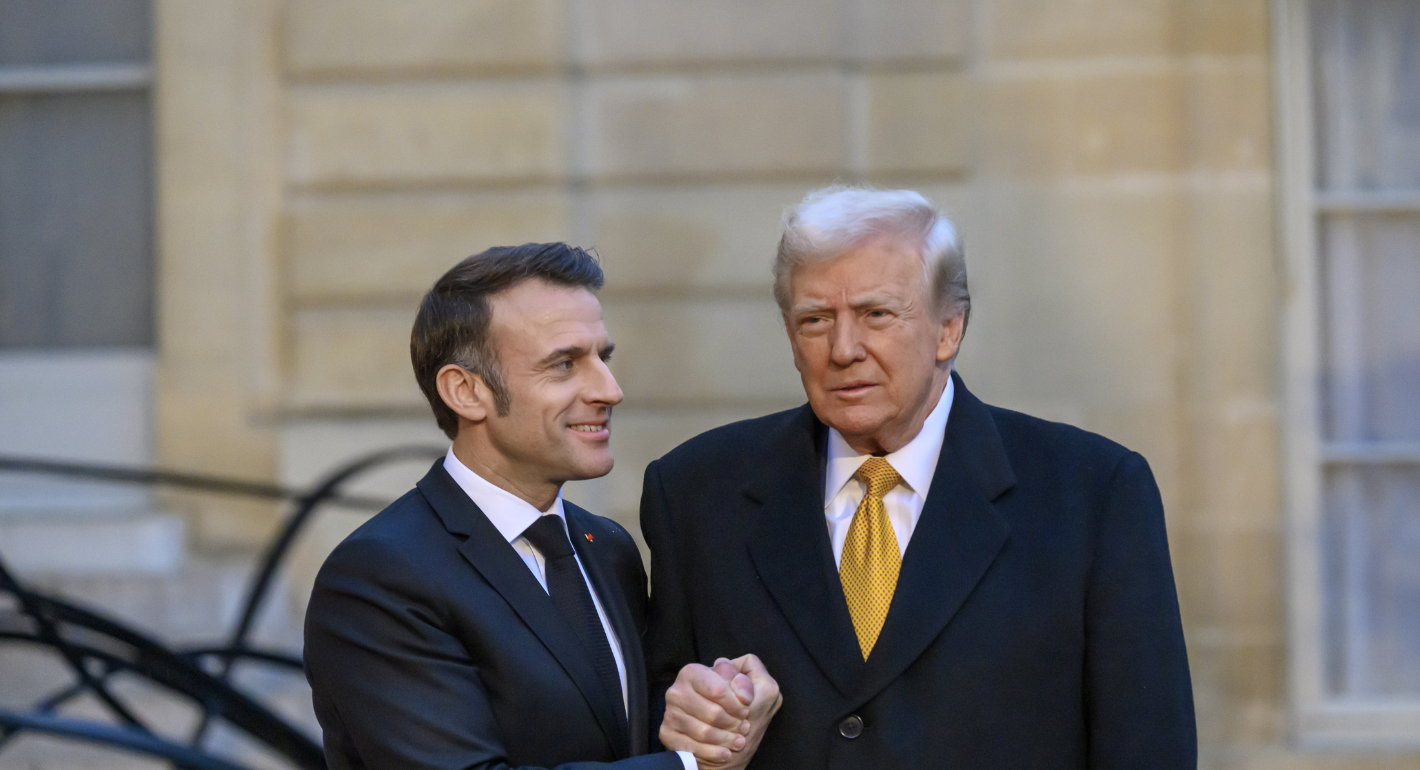
Donald Trump’s repudiation of NATO goes against the Make America Great Again vision of a U.S.-centered foreign policy. If the goal is to preserve the alliance by boosting Europe’s commitments, leaning into France’s vision is the most America First way forward.
Rym Momtaz
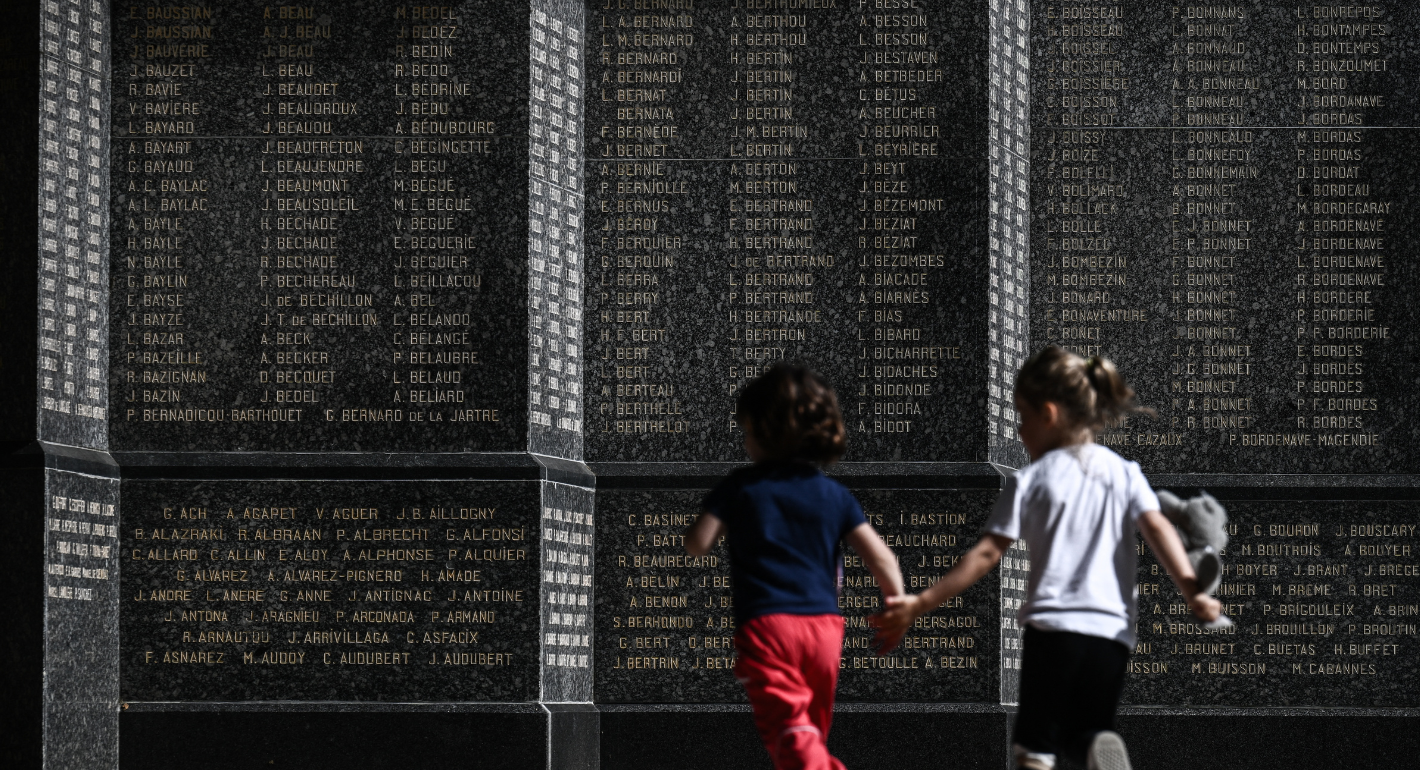
The wars in Ukraine and the Middle East are existential threats to Europe as a peace project. Leaders and citizens alike must reaffirm their solidarity to face up to today’s multifaceted challenges.

Marc Pierini
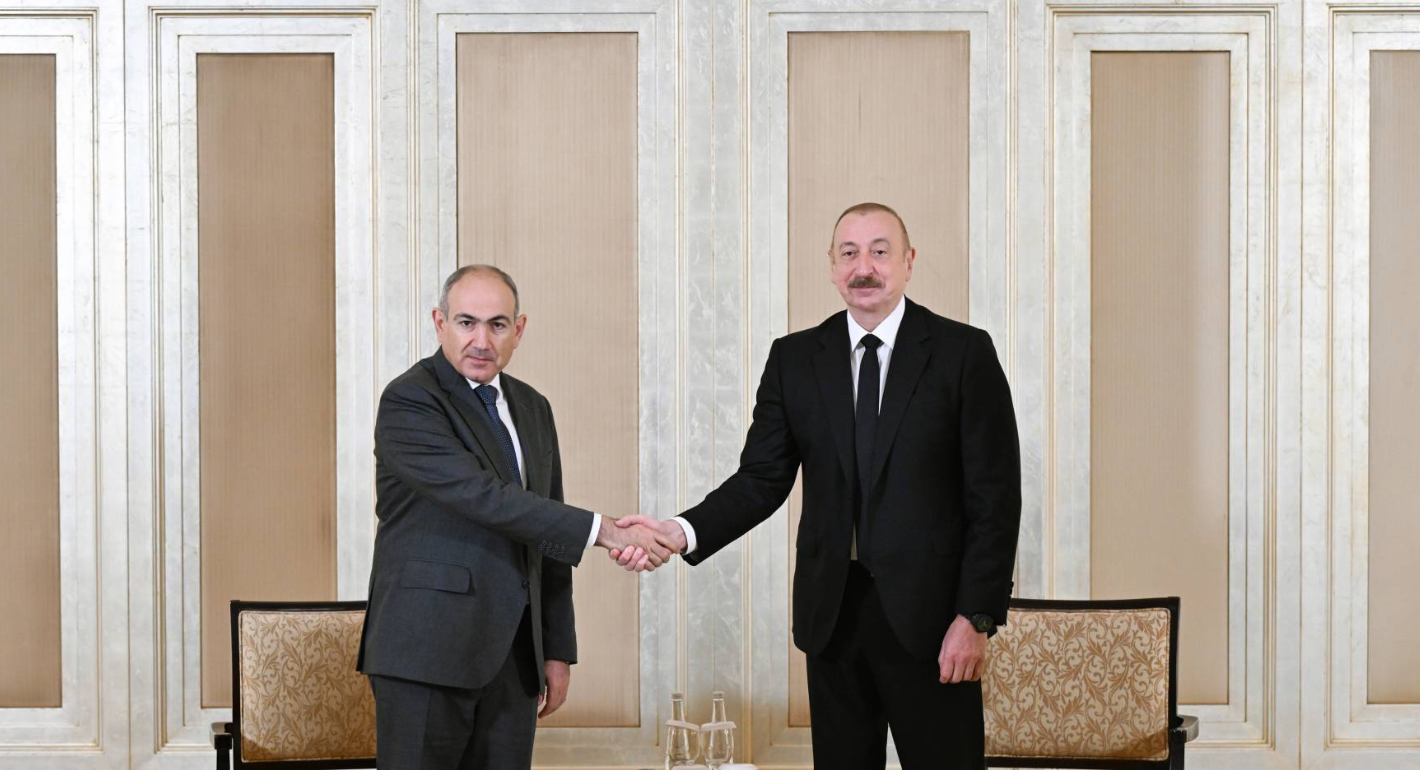
The U.S.-sponsored TRIPP deal is driving the Armenia-Azerbaijan peace process forward. But foreign and domestic hurdles remain before connectivity and economic interdependence can open up the South Caucasus.


Thomas de Waal, Areg Kochinyan, Zaur Shiriyev