

Q&A
Aaron David Miller, Karim Sadjadpour, Robin Wright
{
  "authors": [
    "Karim Sadjadpour"
  ],
  "type": "legacyinthemedia",
  "centerAffiliationAll": "dc",
  "centers": [
    "Carnegie Endowment for International Peace"
  ],
  "collections": [],
  "englishNewsletterAll": "menaTransitions",
  "nonEnglishNewsletterAll": "",
  "primaryCenter": "Carnegie Endowment for International Peace",
  "programAffiliation": "MEP",
  "programs": [
    "Middle East"
  ],
  "projects": [],
  "regions": [
    "Middle East",
    "Iran"
  ],
  "topics": [
    "Political Reform",
    "Foreign Policy"
  ]
}
Source: Getty
With both Mahmoud Ahmadinejad and Mir Hossein Mousavi declaring victory in the first few hours into the election on Friday, the incumbent's future remains uncertain, even with the endorsement of the Supreme Leader Ayatollah Khamenei.
Source: Charlie Rose

"This is very similar to the U.S. presidential election in 2004 between George W. Bush and John Kerry. Even people who were passionately supporting Mousavi, their support was much more passionately against Ahmadinejad than it was for Mousavi. They [Mousavi] have run a remarkable campaign in the sense that they've taken this man of 67 years old, not particularly well-spoken, not particularly charismatic, and they made a phenomenol movement out of it, this green movement. I think that the mood has really shifted in the last week or so. Many people believed in the past that because Ayatollah Khamenei, the Supreme Leader and Iran's most powerful man, had basically unambigously endorsed Ahmadinejad, that the election would be a foregone conclusion. Mousavi has picked up tremendous steam in the last week or two and I think that if the results come out and they are very skewed in favor of Ahmadinejad, there is going to be major allegations of fraud."

Senior Fellow, Middle East Program
Karim Sadjadpour is a senior fellow at the Carnegie Endowment for International Peace, where he focuses on Iran and U.S. foreign policy toward the Middle East.
Recent Work


Aaron David Miller, Karim Sadjadpour, Robin Wright
Aaron David Miller, David Petraeus, Karim Sadjadpour
Carnegie does not take institutional positions on public policy issues; the views represented herein are those of the author(s) and do not necessarily reflect the views of Carnegie, its staff, or its trustees.
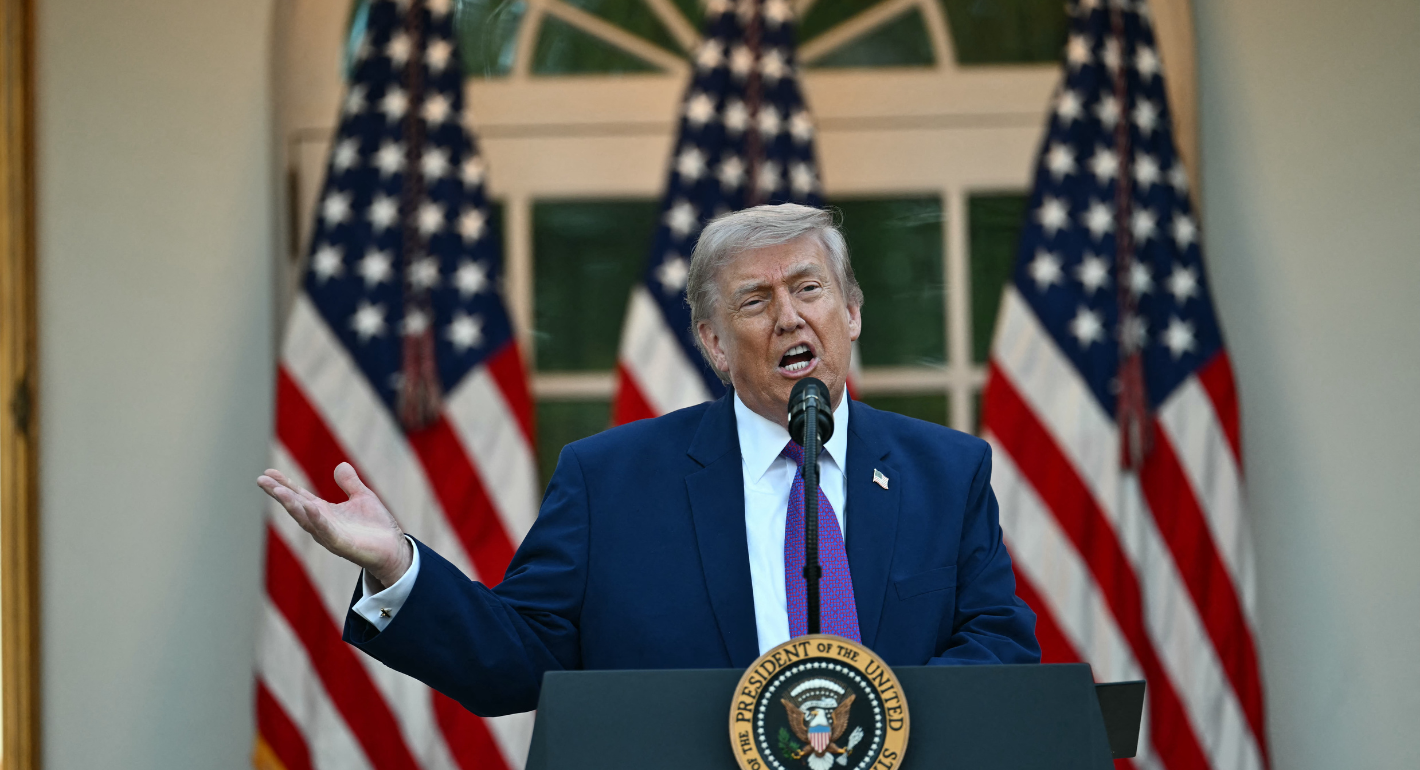
The full list of humiliations Europe has endured since Donald Trump returned to the White House makes for grim reading. But Washington’s adversarial approach to its allies undermines its own power base.

Rym Momtaz
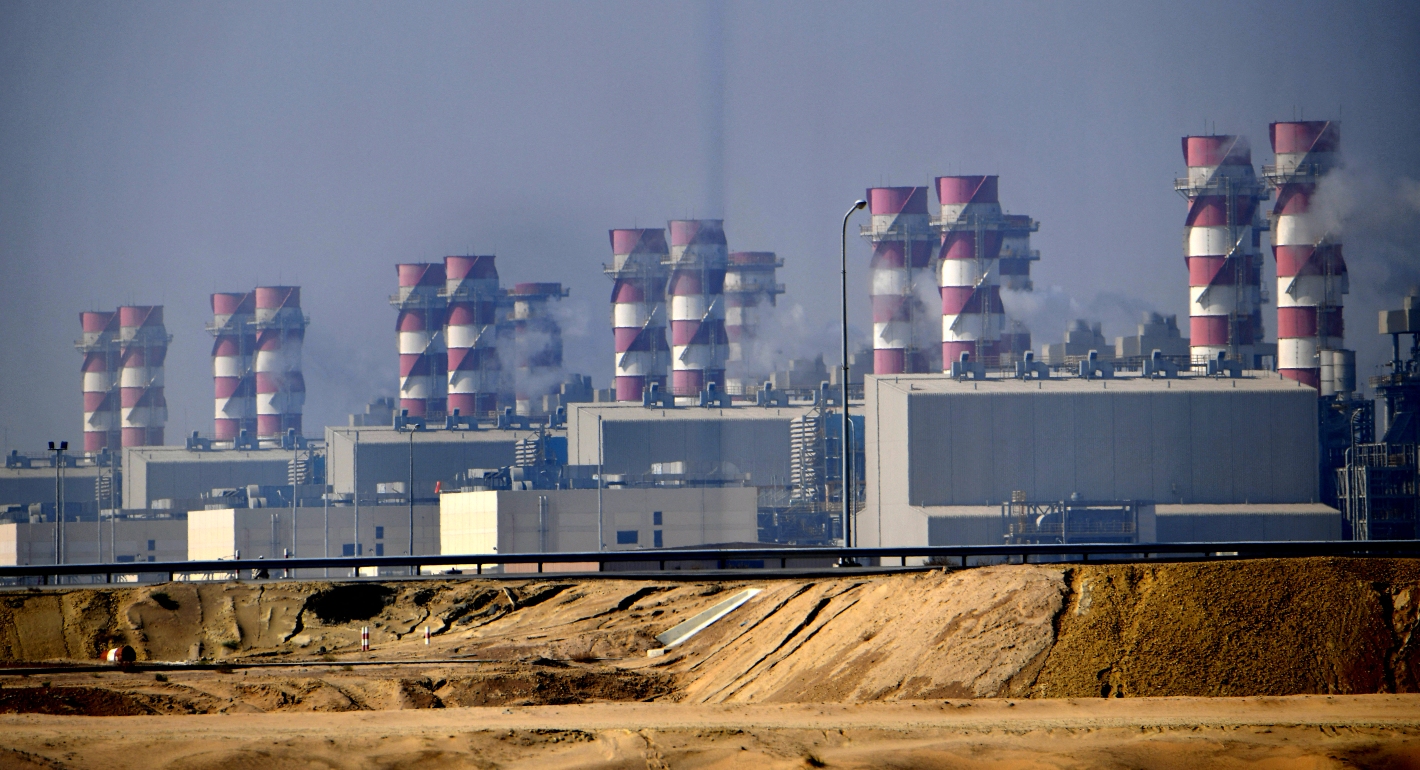
The U.S.-Iran war has crossed a dangerous threshold: water infrastructure in the Gulf is now a target. Ecological statecraft is no longer peripheral to security, it's part of its foundations.


Olivia Lazard, Ali Bin Shahid
The closure of the Strait of Hormuz has triggered a global energy crisis, but Europe is stuck in reaction mode. Without more strategic foresight, the EU will remain dependent on fossil fuels and will never be truly secure.

Milo McBride, Pauline Gerard
Debate is heating up on how Turkey could be integrated into a common European defense framework. Commercial and industrial deals offer a better chance at alignment than sweeping political efforts.

Marc Pierini
After spending much of 2025 trying to placate Donald Trump, some European leaders are starting to change posture. But is even a hostile Washington still so important to Europe that the U.S. president’s outbursts are worth putting up with?
Rym Momtaz, ed.