

Q&A
Aaron David Miller, Karim Sadjadpour, Robin Wright
{
  "authors": [
    "Karim Sadjadpour"
  ],
  "type": "legacyinthemedia",
  "centerAffiliationAll": "dc",
  "centers": [
    "Carnegie Endowment for International Peace"
  ],
  "collections": [],
  "englishNewsletterAll": "menaTransitions",
  "nonEnglishNewsletterAll": "",
  "primaryCenter": "Carnegie Endowment for International Peace",
  "programAffiliation": "MEP",
  "programs": [
    "Middle East"
  ],
  "projects": [],
  "regions": [
    "North America",
    "United States",
    "Middle East",
    "Iran"
  ],
  "topics": [
    "Political Reform",
    "Foreign Policy"
  ]
}
Source: Getty
In the aftermath of Iran's disputed election the opposition has grown bolder, seeking to fundamentally change the system of government by abolishing or seriously weakening unelected leadership positions, including that of the Supreme Leader, whose authority has never been challenged before.
Source: NPR's Fresh Air

Having expelled most foreign reporters, the Iranian regime is using overwhelming force in an attempt to crush the opposition and maintain their grip on power. But the rank-and-file of the Revolutionary Guards may resist orders to crack down harder on demonstrators, potentially fracturing an important pillar of Khamenei and Ahmadinejad’s authority.
In the aftermath of the elections the opposition has grown bolder, seeking to fundamentally change the system of government by abolishing or seriously weakening unelected leadership positions, including that of the Supreme Leader, whose authority has never been challenged before. Before the June 12 elections, opposition supporters hoped for change within the confines of the Islamic Republic’s current system.
Mousavi himself has evolved since the elections, from an uncharismatic Revolution elder to a defiant opposition leader who enjoys a symbiotic relationship with the protesters. The size of the crowds in the street enable his defiance; his willingness to stand up to Supreme Leader Ayatollah Khamenei energizes the crowd and has earned him tremendous respect.

Senior Fellow, Middle East Program
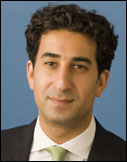
Karim Sadjadpour is a senior fellow at the Carnegie Endowment for International Peace, where he focuses on Iran and U.S. foreign policy toward the Middle East.
Recent Work


Aaron David Miller, Karim Sadjadpour, Robin Wright
Aaron David Miller, David Petraeus, Karim Sadjadpour
Carnegie does not take institutional positions on public policy issues; the views represented herein are those of the author(s) and do not necessarily reflect the views of Carnegie, its staff, or its trustees.
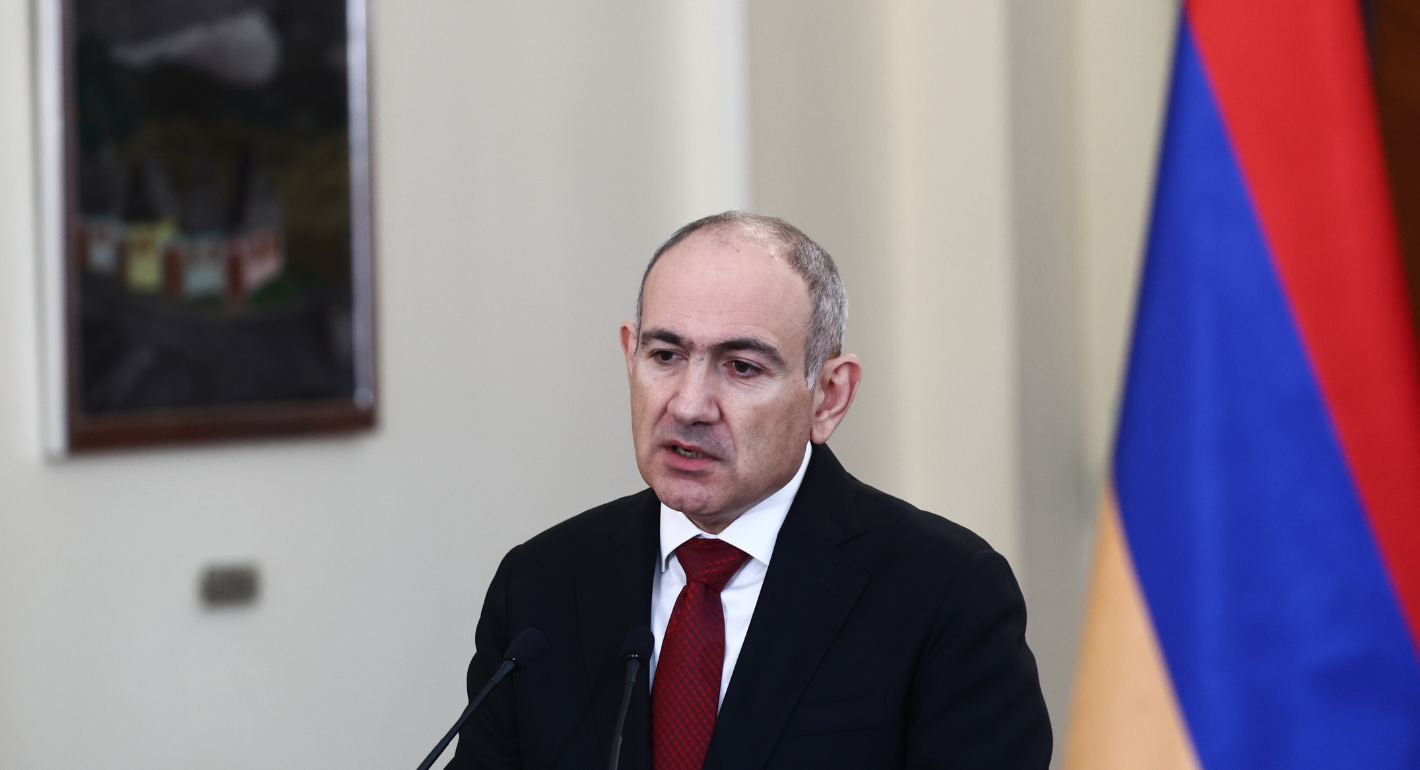
Europe has an interest in supporting Armenian leader Nikol Pashinyan as he tries to make peace with neighbors and loosen ties with Russia. But it is depersonalized support in the long term, not quickfire flash, that will win the day.

Thomas de Waal
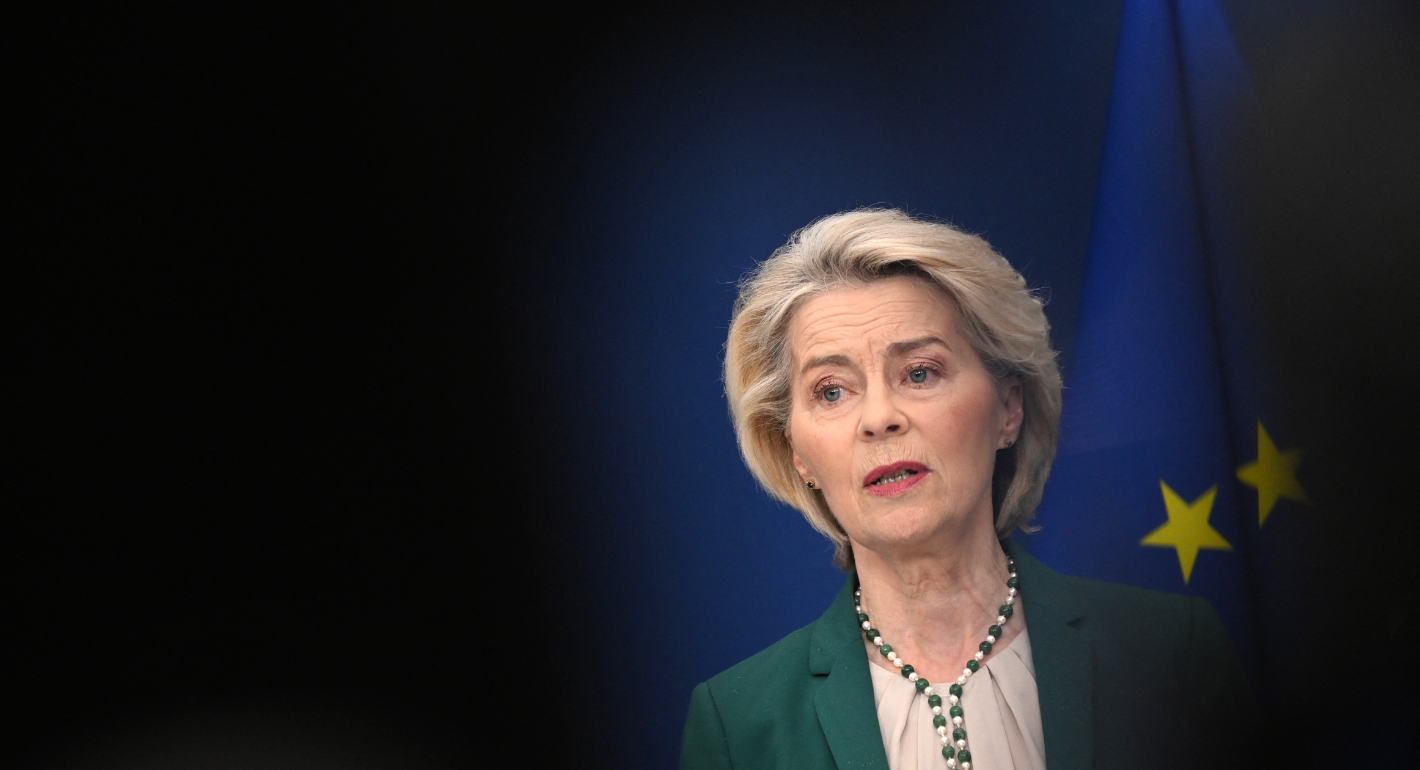
Following Ursula von der Leyen’s gaffe equating Turkey to Russia and China, relations with Ankara risk deteriorating even further. Without better, more consistent diplomatic messaging, how can the EU pretend to be a geopolitical power?

Sinan Ülgen
Closer EU-UK ties could help address urgent European concerns. But is the EU ready for rapprochement with the United Kingdom?

Rym Momtaz, ed.
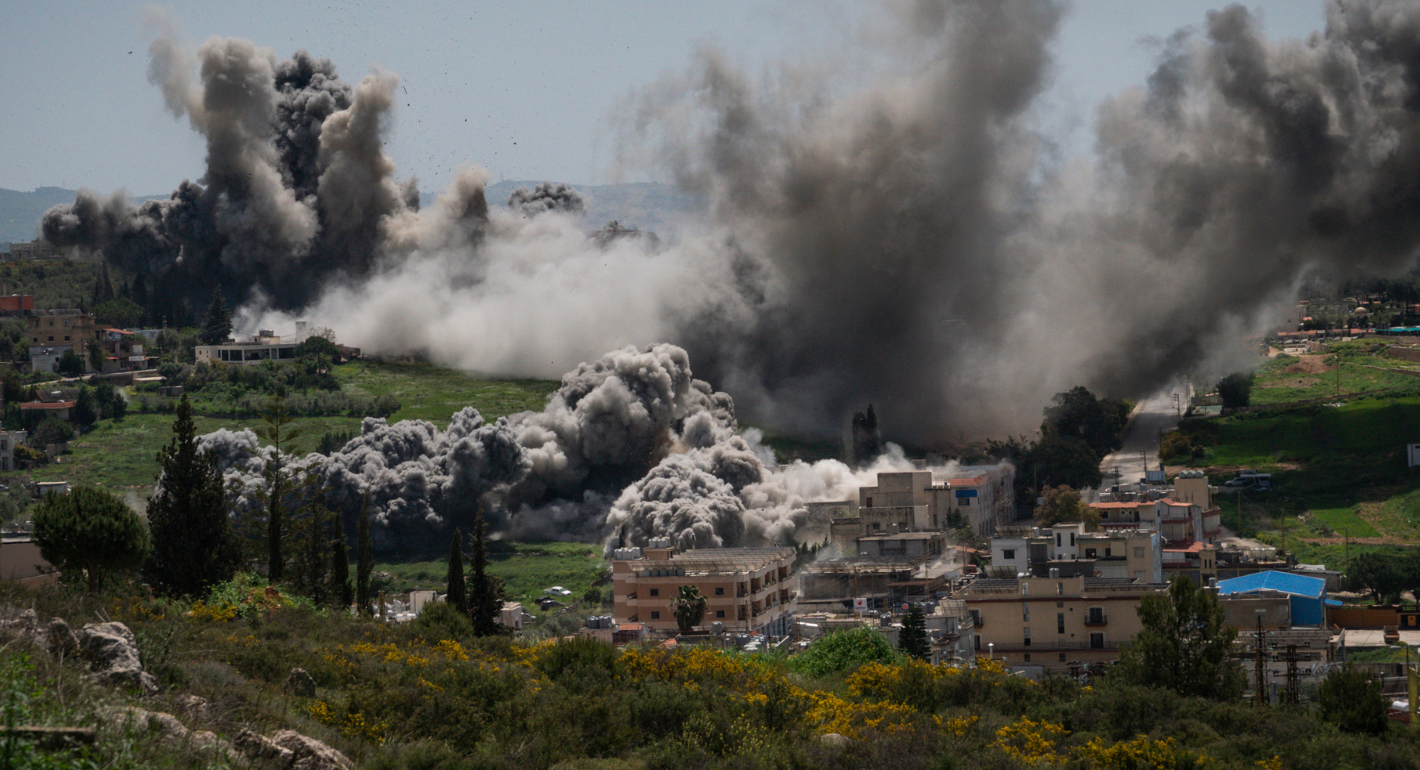
Europe has been standing by while its Southern neighborhood is being redrawn by force. To establish a path to peace between Israel and Lebanon, it’s time for Europeans to get involved with hard power.
Rym Momtaz
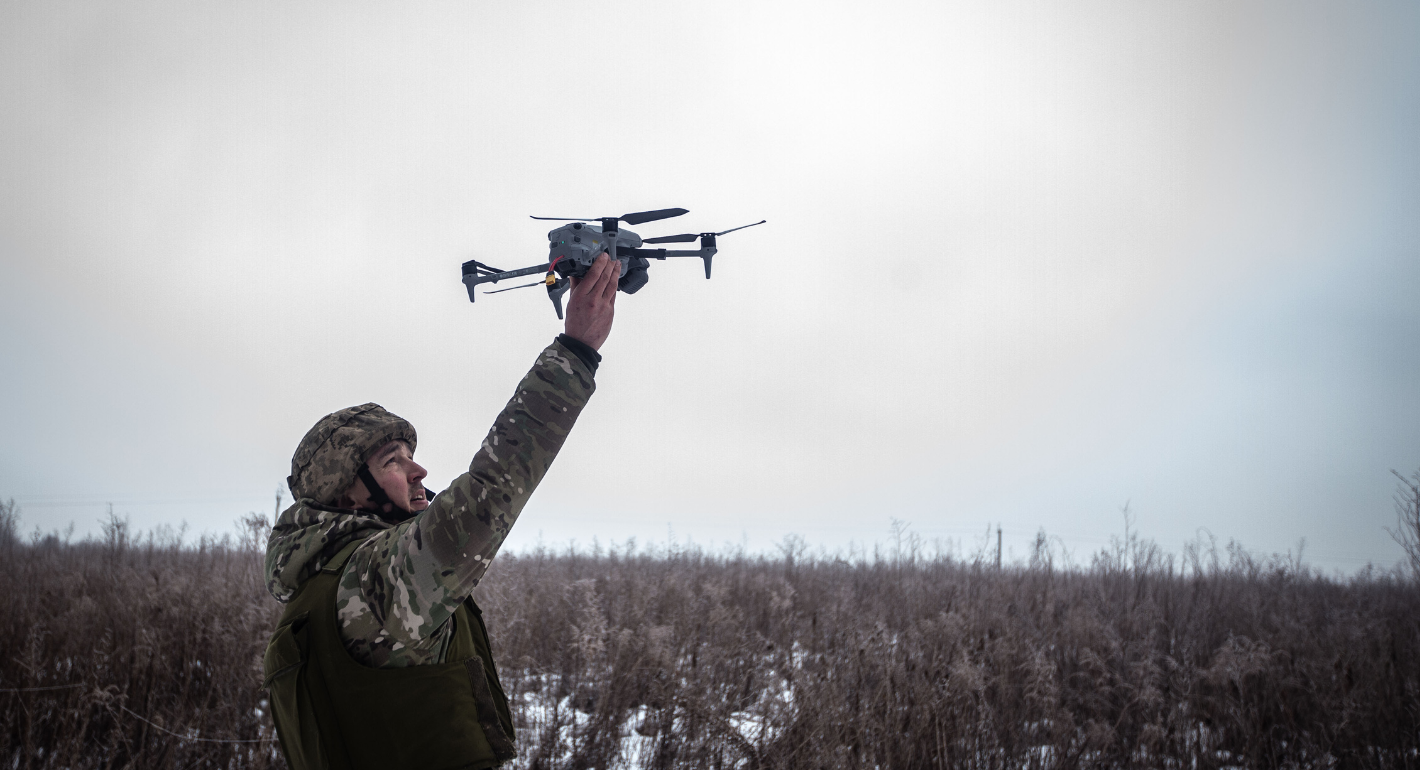
In Ukraine, Gaza, and Iran, AI warfare has come to dominate, with barely any oversight or accountability. Europe must lead the charge on the responsible use of new military technologies.

Raluca Csernatoni