

In The Media
David Rothkopf
{
  "authors": [
    "David Rothkopf"
  ],
  "type": "legacyinthemedia",
  "centerAffiliationAll": "",
  "centers": [
    "Carnegie Endowment for International Peace"
  ],
  "collections": [],
  "englishNewsletterAll": "",
  "nonEnglishNewsletterAll": "",
  "primaryCenter": "Carnegie Endowment for International Peace",
  "programAffiliation": "",
  "programs": [],
  "projects": [],
  "regions": [
    "North America",
    "United States"
  ],
  "topics": [
    "Political Reform"
  ]
}
Source: Getty
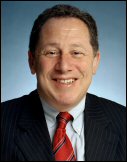
After enjoying months of good press coverage, President Obama’s honeymoon finally came to an end in July of 2009. As Obama now faces a number of tough policy challenges, increased public scrutiny is not necessarily a bad thing.
Source: CBS's Washington Unplugged
After enjoying months of good press coverage in the U.S. and around the world, President Obama’s honeymoon finally came to an end in July of 2009. Speaking with Bob Schieffer on CBS News’s Washington Unplugged, David Rothkopf explained that the press is starting to scrutinize Obama more closely, now that the administration is starting to get down to the “nuts and bolts” of how to address difficult policy challenges that cannot be solved by presidential charisma alone.
According to Rothkopf, the end of the honeymoon is not a sign of any real problems for the administration; this is typical of the media’s relationship with a new president. In fact, the public may be better off now that Obama's long honeymoon is over. “You start being president with all of the responsibilities on day one,” Rothkopf says, “so this idea of a honeymoon is not really optimal from the perspective of the American people. The scrutiny needs to start on day one.”
Former Visiting Scholar
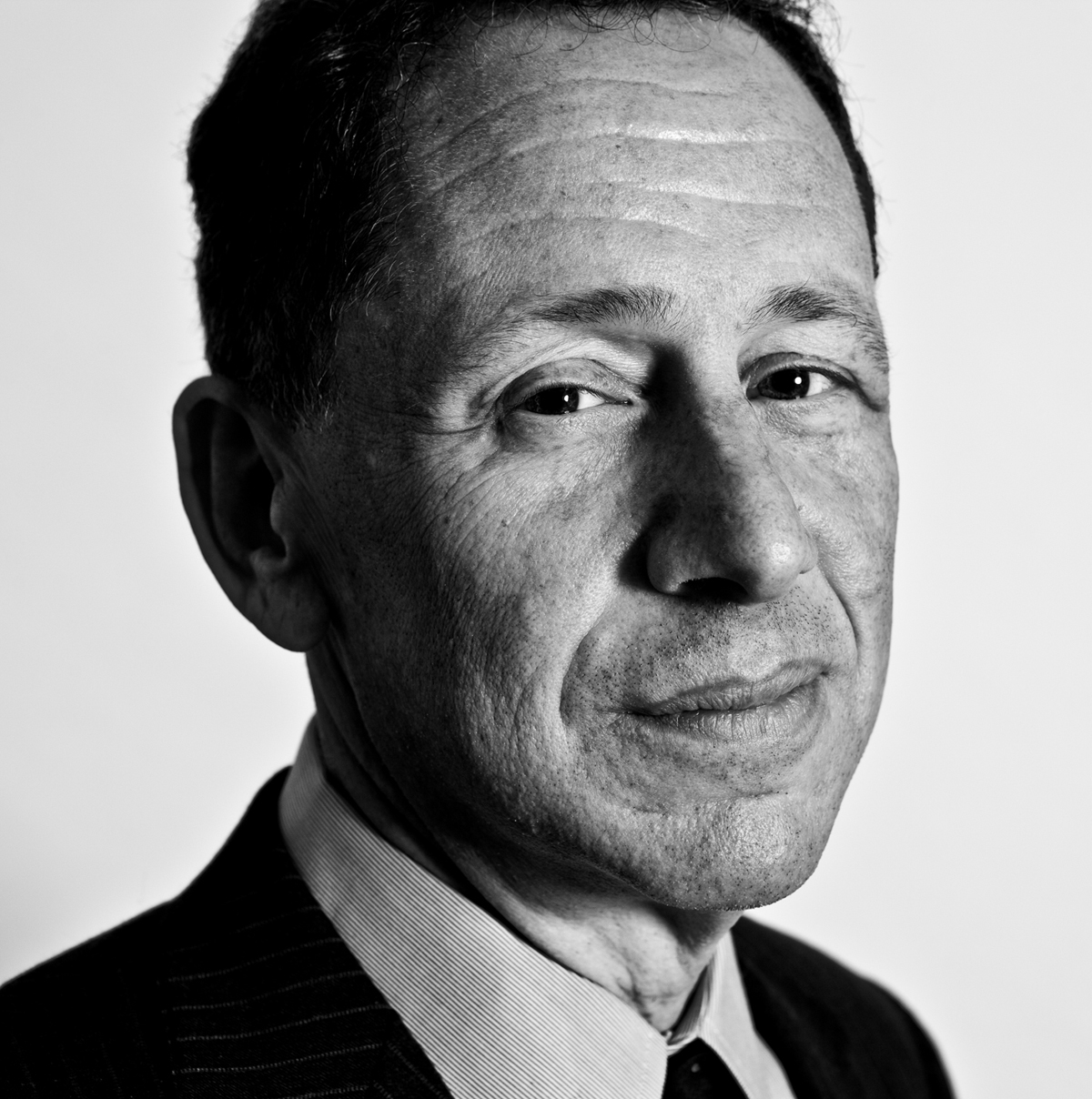
David Rothkopf was a visiting scholar at the Carnegie Endowment as well as the former CEO and editor in chief of the FP Group.
Recent Work
David Rothkopf
David Rothkopf
Carnegie does not take institutional positions on public policy issues; the views represented herein are those of the author(s) and do not necessarily reflect the views of Carnegie, its staff, or its trustees.

As we close out another season of Strategic Europe, it is worth taking stock of the deep shifts underway.

Rym Momtaz

The hybrid warfare landscape is evolving rapidly, leaving policymakers without clear strategies. To better inform their work in addressing emerging challenges, governments must dig deeper into the underlying dynamics at play.


Raluca Csernatoni, Alicia Wanless

Trump is distracted and Ukraine wants Europe to step up. The continent’s leaders must find their voice and assert it in talks with Russia.

Alissa de Carbonnel

Over the past ten years, NATO has held almost as many summits as it did during the entirety of the Cold War. Are they still useful, or is it time to stop holding annual meetings?
Rym Momtaz, ed.

As the EU confronts profound challenges, several leaders have called for fundamental reform to the union’s model—but only modest, superficial changes have resulted. What if Europe really could be reimagined from zero today: What should such a redesigned European order look like?

Richard Youngs, ed.