

Over the past two decades, regional collaboration in the South Caucasus has intensified. Turkey and the EU should establish a cooperation framework to accelerate economic development and diversification.
Feride İnan, Güven Sak, Berat Yücel
{
"authors": [
"Uri Dadush",
"Lauren Falcão"
],
"type": "other",
"centerAffiliationAll": "",
"centers": [
"Carnegie Endowment for International Peace"
],
"collections": [],
"englishNewsletterAll": "",
"nonEnglishNewsletterAll": "",
"primaryCenter": "Carnegie Endowment for International Peace",
"programAffiliation": "",
"programs": [],
"projects": [],
"regions": [
"Bahrain",
"Kuwait",
"Qatar",
"Saudi Arabia",
"United Arab Emirates",
"North America"
],
"topics": [
"Political Reform",
"Economy",
"Trade"
]
}Source: Getty
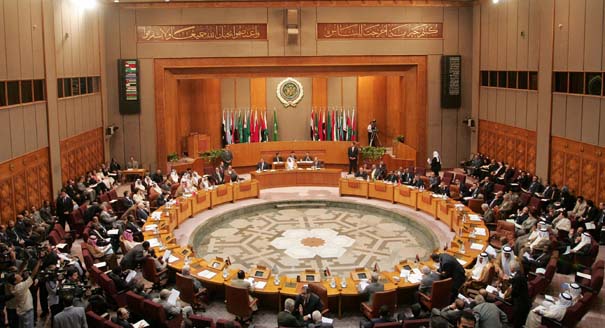
The economic success of Gulf regional integration depends on increased cooperation within the service sector and improved administrative capacity in GCC countries.
The Gulf Cooperation Council (GCC) represents one of the oldest and most ambitious regional trading agreements. Its member states—Saudi Arabia, Bahrain, Kuwait, Oman, Qatar, and the United Arab Emirates—account for some 40 percent of world oil reserves.
The Gulf Cooperation Council's (GCC) ability to fulfill its role as driver of economic growth in the region would be enhanced by the following action points:
Former Senior Associate, International Economics Program
Dadush was a senior associate at the Carnegie Endowment for International Peace. He focuses on trends in the global economy and is currently tracking developments in the eurozone crisis.
Lauren Falcão
Former Junior Fellow, Trade, Equity, and Development Program
Carnegie does not take institutional positions on public policy issues; the views represented herein are those of the author(s) and do not necessarily reflect the views of Carnegie, its staff, or its trustees.
Over the past two decades, regional collaboration in the South Caucasus has intensified. Turkey and the EU should establish a cooperation framework to accelerate economic development and diversification.
Feride İnan, Güven Sak, Berat Yücel
Integrating AI into the workplace will increase job insecurity, fundamentally reshaping labor markets. To anticipate and manage this transition, the EU must build public trust, provide training infrastructures, and establish social protections.
Amanda Coakley
Europe’s interests in Syria extend beyond migration management, yet the EU trails behind other players in the country’s post-Assad reconstruction. To boost its influence in Damascus, the union must upgrade its commitment to ensuring regional stability.
Bianka Speidl, Hanga Horváth-Sántha
EU member states clash over how to boost the union’s competitiveness: Some want to favor European industries in public procurement, while others worry this could deter foreign investment. So, can the EU simultaneously attract global capital and reduce dependencies?
Rym Momtaz, ed.
A prophetic Romanian novel about a town at the mouth of the Danube carries a warning: Europe decays when it stops looking outward. In a world of increasing insularity, the EU should heed its warning.
Thomas de Waal