Source: The New York Times
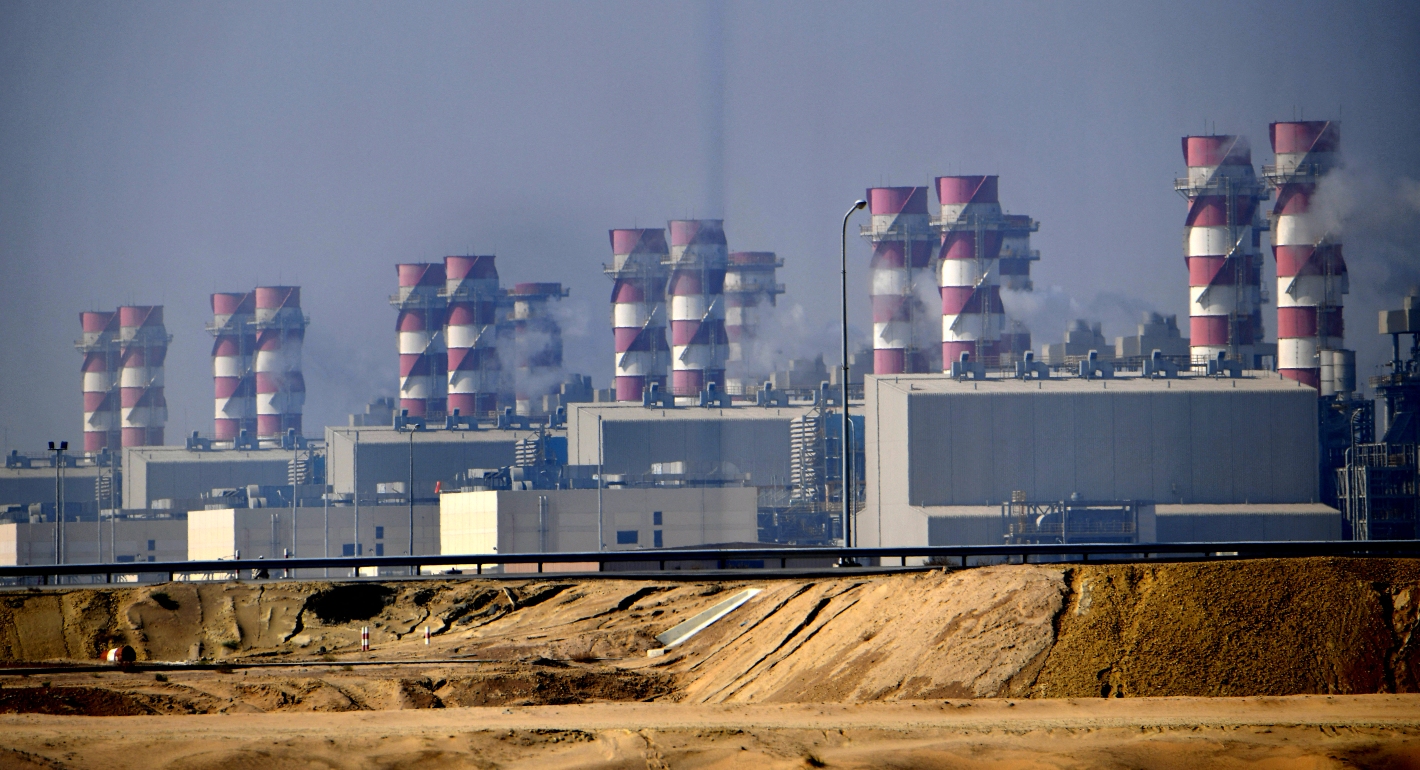
In October, Iran began operating a second group of 164 uranium enrichment centrifuges, violating a legally binding demand by the United Nations Security Council that Iran suspend such activities until the international community is confident that the country’s nuclear program “is for exclusively peaceful purposes.” Iran’s response was that a suspension would abrogate its rights under the Nuclear Nonproliferation Treaty — even though under international law, it has temporarily surrendered these rights by violating the obligations that condition them.
Beneath the legalese, Iran is moving as fast as it can to master uranium enrichment, while threatening its neighbors and refusing to provide transparency that the International Atomic Energy Agency requires. Tehran bets that Russia will continue to buy it time by slowing and diluting Security Council sanctions. Once Iran has fully mastered enrichment, it will have gained confidence that it can produce weapons-grade uranium quickly if it decides to do so.
With this confidence, Iran would assess the costs and benefits of continuing the construction of a large-scale uranium enrichment plant. If Russia were prepared to join the United States, Europe and others in imposing significant costs, Iran might choose to negotiate a handsome benefits package in exchange for suspending enrichment-related activities. If the Security Council were to remain lenient, on the other hand, Iran would have complete freedom to maneuver.
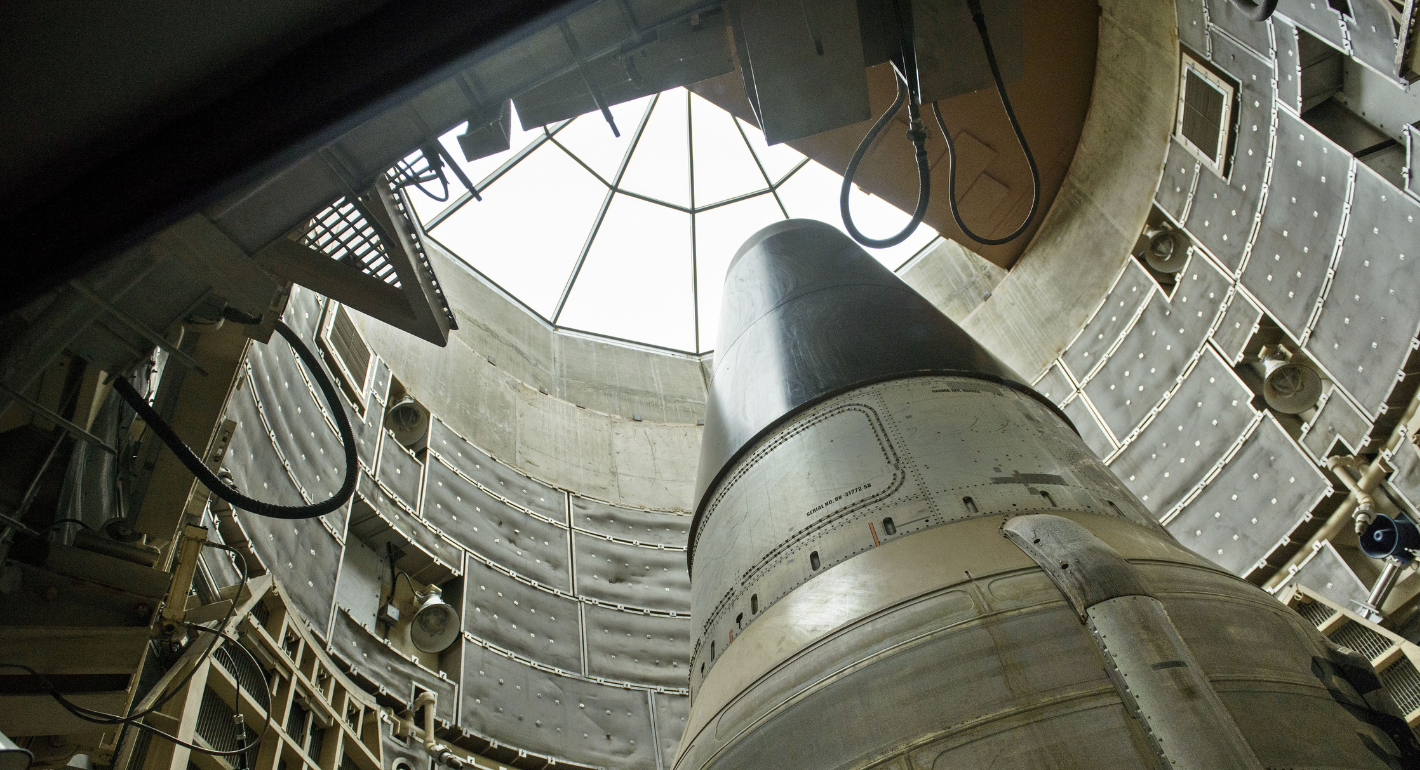
International interlocutors must disabuse Iran that it can have its uranium cake and eat it, too. The vital security objective all along has been to prevent Iran from acquiring the capacity to make nuclear weapons fuel. Once Iran has mastered uranium enrichment, this objective will have been largely lost. At that point, it would make no further sense to offer Iran exceptional nuclear energy cooperation, political benefits or access to international markets, capital and technology.
Thus, Iran’s interlocutors should clarify now that the positive incentives the world wishes to negotiate with Iran will be withdrawn if it does not immediately accede to the binding Security Council demand for suspension.
The message from the Security Council, including Russia and China, should be: “You can get the uranium enrichment capacity you seek, even though, because you have violated your Nuclear Nonproliferation Treaty and International Atomic Energy Agency Safeguards obligations, it threatens international peace and security. But you will lose the prospects of many benefits. The International Atomic Energy Agency and the Security Council will continue to press for the greater transparency required to verify ‘that there are no undeclared nuclear materials or activities in Iran.’ Maybe we can tighten the sanctions you will face, maybe we can’t, but the case won’t be closed, and you will not become an acceptable nuclear trade partner.”
Failure to clarify the limited duration of positive incentives only encourages those in Iran who argue that there are no real costs to defying the Security Council and continuing the enrichment program. Conversely, if Iran suspends enrichment while it is still meaningful, interlocutors should be willing to negotiate generously to meet the country’s nuclear energy, economic and security interests. This could ultimately include helping Iran develop its nuclear fuel cycle, if and when doubts about the peacefulness of its nuclear ambitions have been durably allayed.
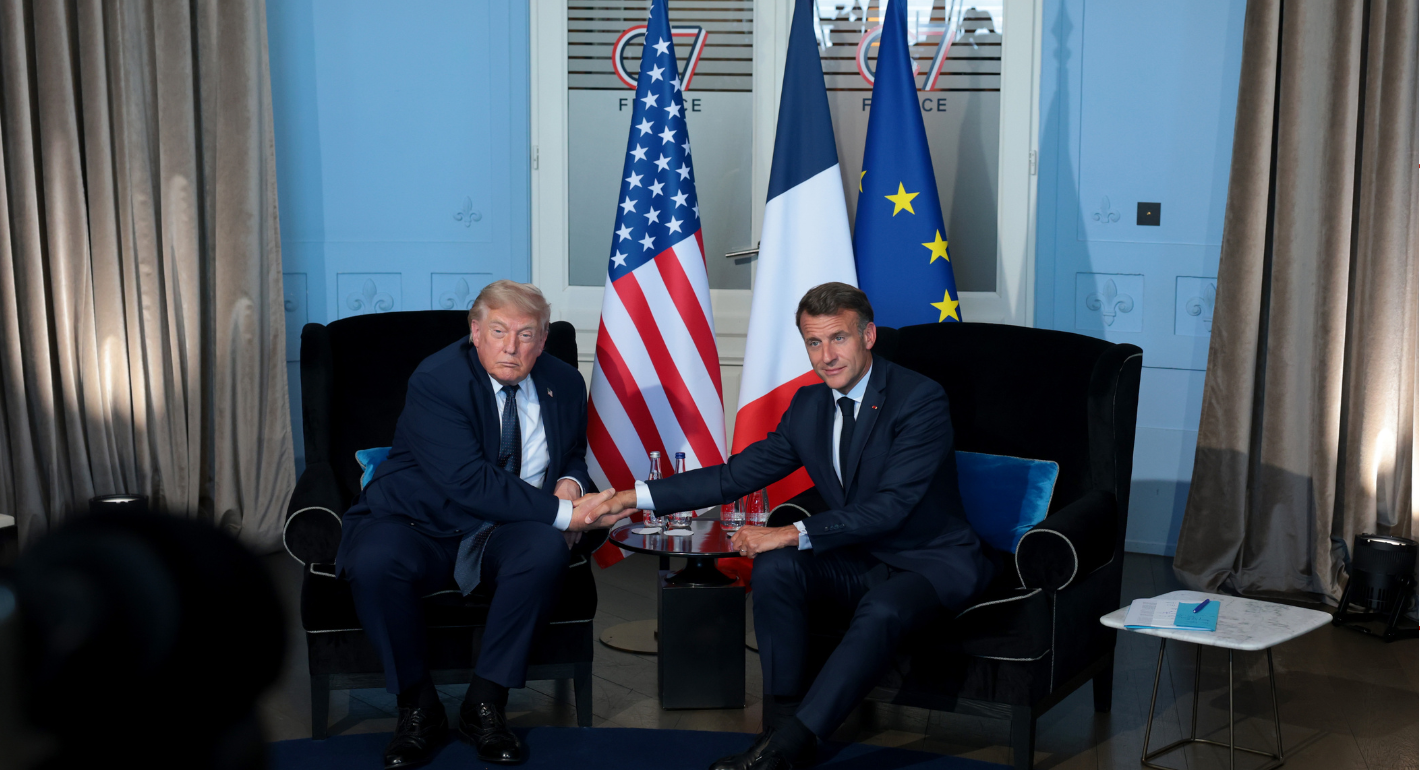
Russia, China and perhaps others will be tempted to argue that pressing Iran this way could be an American attempt to precipitate a crisis and set the stage for military action. To pre-empt such charges, President Bush should clarify that if Iran complies with the Security Council’s demands, suspends its fuel-cycle activities and gives up its unjust support for organizations that commit violence against unarmed civilians, the United States will commit not to threaten Iran’s sovereignty or territorial integrity. Such a security guarantee, perhaps expressed in the Security Council, would facilitate not only longer-term nuclear negotiations with Iran, but also broader rapprochement.
Iranian national security decisions are made collectively. A precarious consensus emerged in 2005 to defy international demands and press on with enrichment. This consensus will not be reconsidered as long as the policy appears cost-free and the option of cashing in on restraint seems so open-ended that it could be still available after enrichment has been mastered.
The Iranian people, their neighbors and the world deserve a more considered debate of Iran’s options and of their consequences. Iran will never be in a better position than it is now to obtain a favorable deal that would improve its economy, employment and quality of life.
George Perkovich is the director of the nonproliferation program at the Carnegie Endowment for International Peace. Pierre Goldschmidt is a non-resident scholar there and a former deputy director of the International Atomic Energy Agency.