

Paper
Douglas H. Paal
{
  "authors": [
    "Douglas H. Paal"
  ],
  "type": "legacyinthemedia",
  "centerAffiliationAll": "dc",
  "centers": [
    "Carnegie Endowment for International Peace",
    "Carnegie Europe"
  ],
  "collections": [],
  "englishNewsletterAll": "asia",
  "nonEnglishNewsletterAll": "",
  "primaryCenter": "Carnegie Endowment for International Peace",
  "programAffiliation": "AP",
  "programs": [
    "Asia"
  ],
  "projects": [],
  "regions": [
    "North America",
    "United States",
    "East Asia",
    "China",
    "Asia"
  ],
  "topics": [
    "Political Reform",
    "Foreign Policy"
  ]
}
Source: Getty
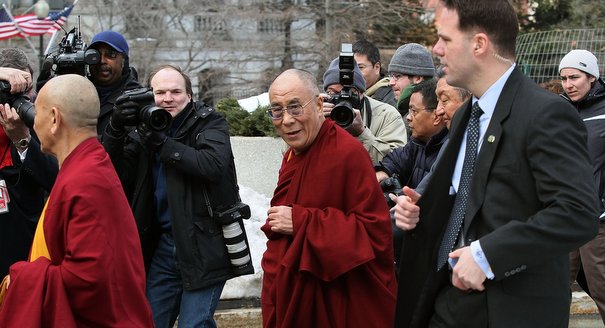
President Obama’s decision to meet with the Dalai Lama quietly is a recognition of the fact that almost every global issue requires cooperation between China and the United States, and some restraint must be shown on issues that China considers “core interests.”
Source: South China Morning Post

Though it likely comes as a disappointment to human rights activists, Obama’s decision to meet the Dalai Lama behind closed doors signals a return to an earlier, more modest policy that caused less collateral damage. In October 2007, George W. Bush became the first sitting President to appear with the Dalai Lama in public, awarding him the Congressional Gold Medal in a highly visible ceremony at the U.S. Capitol. Bush sought to mollify Chinese anger by notifying Hu of his plans in advance, and promising that he and his family would attend the Beijing Olympics the following year.
The Chinese responded with a campaign to restrict further the international space enjoyed by His Holiness, pressing government to promise not to receive him or suffer consequences. This was followed by a surprising outbreak the following March of anti-Beijing protests in ethnically Tibetan parts of China, leading to a harsh security crackdown in Tibet that remains largely in force.
In the two years since, China has added Tibet to its list of “core interests,” meaning that any perceived offence to Chinese sensitivities about Tibet will also exact costs in bilateral relations. But the Obama team has been forthright in asserting, both publicly and privately, that Obama would indeed meet with the Dalai Lama, despite China’s objections.
Where it gets interesting is that China, despite significant foreknowledge of these unhappy events, is still angling to arrange an “official visit” by Chinese President Hu Jintao to Washington in 2010. Chinese officials appear to think Hu’s attendance at the Nuclear Security Summit in April may be too close to the meeting with the Dalai Lama and the U.S.-Taiwan arms deal announced earlier for China not to lose face. But since Hu will be in Canada for the G-20 summit in June, diplomats have explored the possibility of a state visit then, once the bruises over offenses to “core interests” have healed a bit.
To his credit, President Obama used his first year to build a positive relationship with Beijing, seeking cooperation on the financial crisis, climate change and non-proliferation. So far, Beijing has done more good than harm on the global economy. Nonetheless, though China is drawing a sizeable increase in imports from the U.S., even as its exports have declined, bilateral trade disputes appear likely to proliferate as the November mid-term elections approach.
As for China’s cooperation on the U.S.’ core interests, such as reining in the nukes in North Korea and Iran, that remains a work in progress, or at least lots of work. Beijing, rather than Moscow, has increasingly become the principal impediment to squeezing the Iranian nuclear weapons program. China has prepared to invest heavily in Iran’s energy sector, and the concerns of its foreign ministry are often more than likely outweighed by domestic economic interests at Chinese leadership councils. Therefore, the Chinese will probably continue watering down any possible punitive measures on Iran in the UN Security Council, but nonetheless abstain on or even vote for new sanctions once they are diluted, so as to avoid running directly against United States interests there.
The challenge in the year ahead is for both countries’ political elites to strengthen their capacity to cooperate on many major issues and manage disputes on other important matters at the same time. That will require the principals to look well beyond this year’s mounting troubles.
Proponents of a new bipolar order have made too much of the “G-2” concept, where the U.S. and China can be imagined to make the major decisions in the world together. Neither capital is ready for that. But on almost every major issue, from arms control to humanitarian assistance to peace keeping, there will not be progress if the U.S. and China cannot cooperate.
For Chinese leaders, that will mean drawing a fine line between rhetoric and reality, limiting protests to gestures for their domestic audience even as they work with the United States on a number of fronts. For its part, the United States must maintain its principled commitment to human rights but also demonstrate some restraint on issues China considers “core interests.”
President Obama must support the desires of disenfranchised groups for rights and representation, without raising unrealistic hopes, and recognizing that there are often real limits to what he can accomplish on their behalf. And he must appreciate that at times it is in everyone’s best interest -- even the disenfranchised themselves -- not to push China too far. His decision to meet the Dalai Lama quietly, as presidents did before 2007, suggests that he understands the balance.
Distinguished Fellow, Asia Program
Paal previously served as vice chairman of JPMorgan Chase International and as unofficial U.S. representative to Taiwan as director of the American Institute in Taiwan.
Recent Work
Douglas H. Paal

Douglas H. Paal, Tong Zhao, Chen Qi, …
Carnegie does not take institutional positions on public policy issues; the views represented herein are those of the author(s) and do not necessarily reflect the views of Carnegie, its staff, or its trustees.
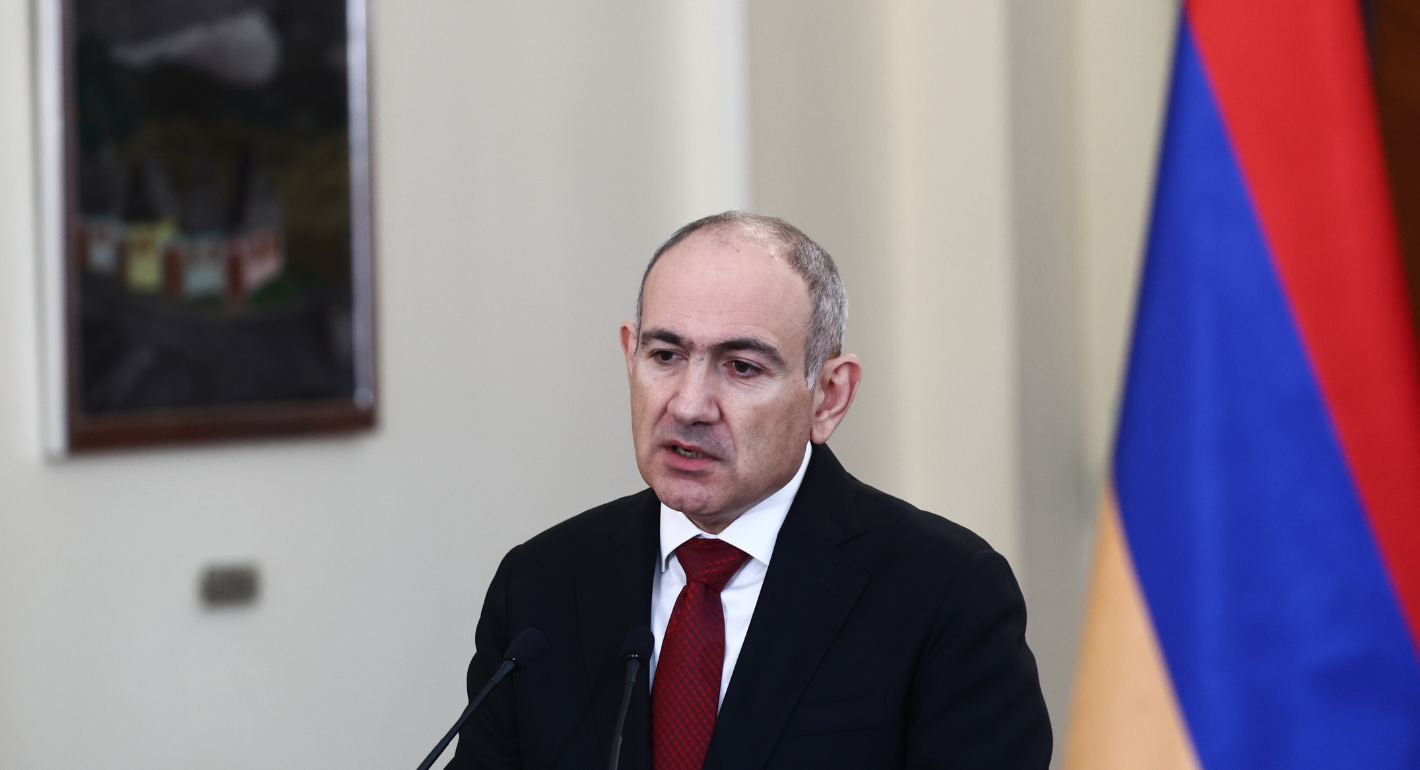
Europe has an interest in supporting Armenian leader Nikol Pashinyan as he tries to make peace with neighbors and loosen ties with Russia. But it is depersonalized support in the long term, not quickfire flash, that will win the day.

Thomas de Waal
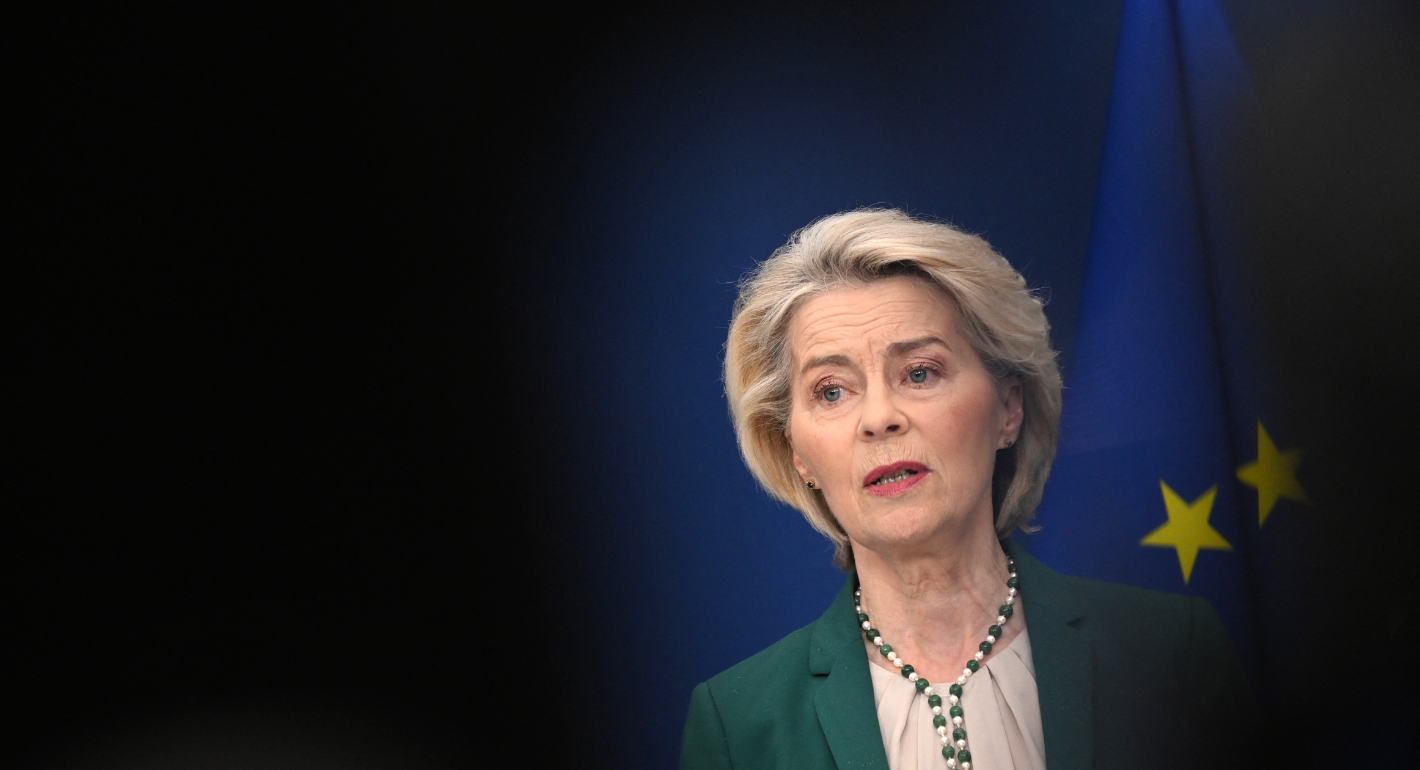
Following Ursula von der Leyen’s gaffe equating Turkey to Russia and China, relations with Ankara risk deteriorating even further. Without better, more consistent diplomatic messaging, how can the EU pretend to be a geopolitical power?

Sinan Ülgen
Closer EU-UK ties could help address urgent European concerns. But is the EU ready for rapprochement with the United Kingdom?

Rym Momtaz, ed.
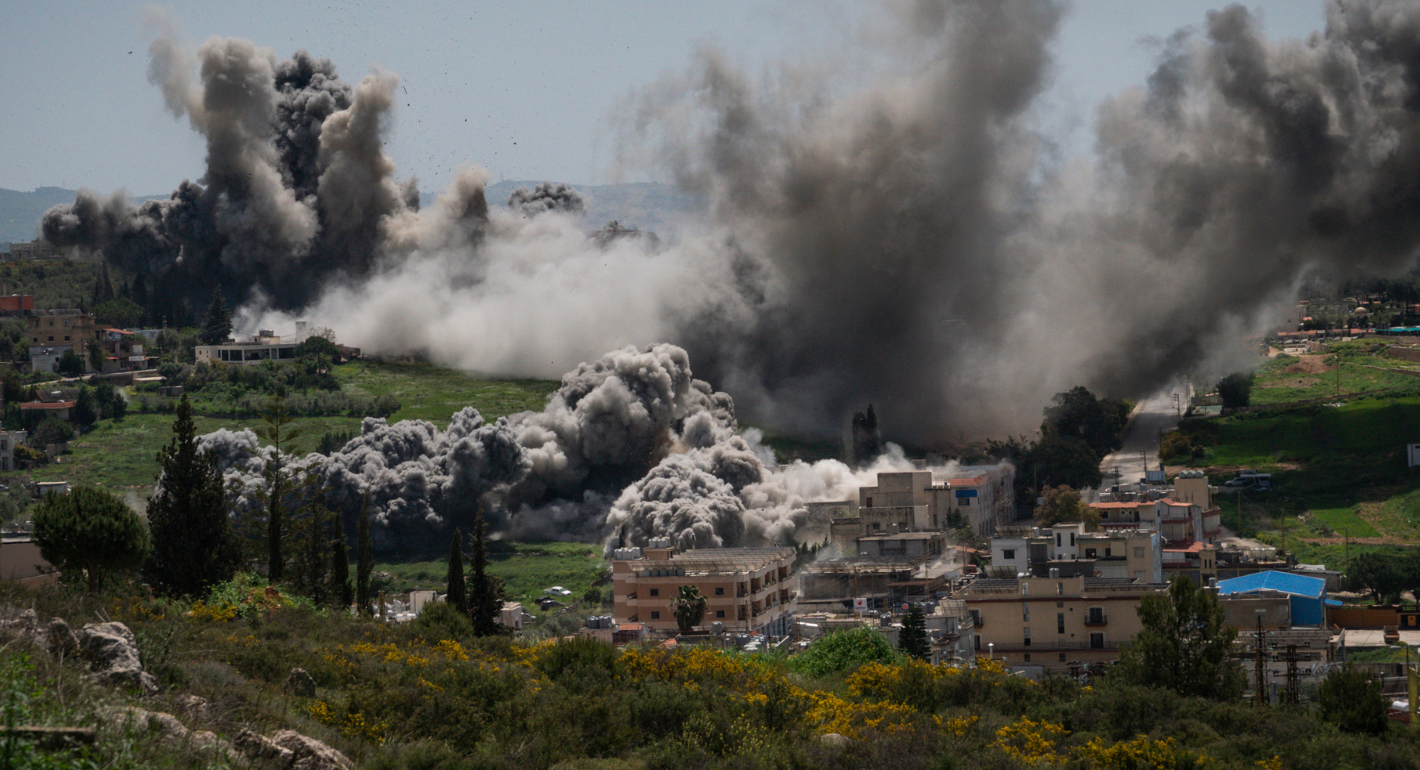
Europe has been standing by while its Southern neighborhood is being redrawn by force. To establish a path to peace between Israel and Lebanon, it’s time for Europeans to get involved with hard power.
Rym Momtaz
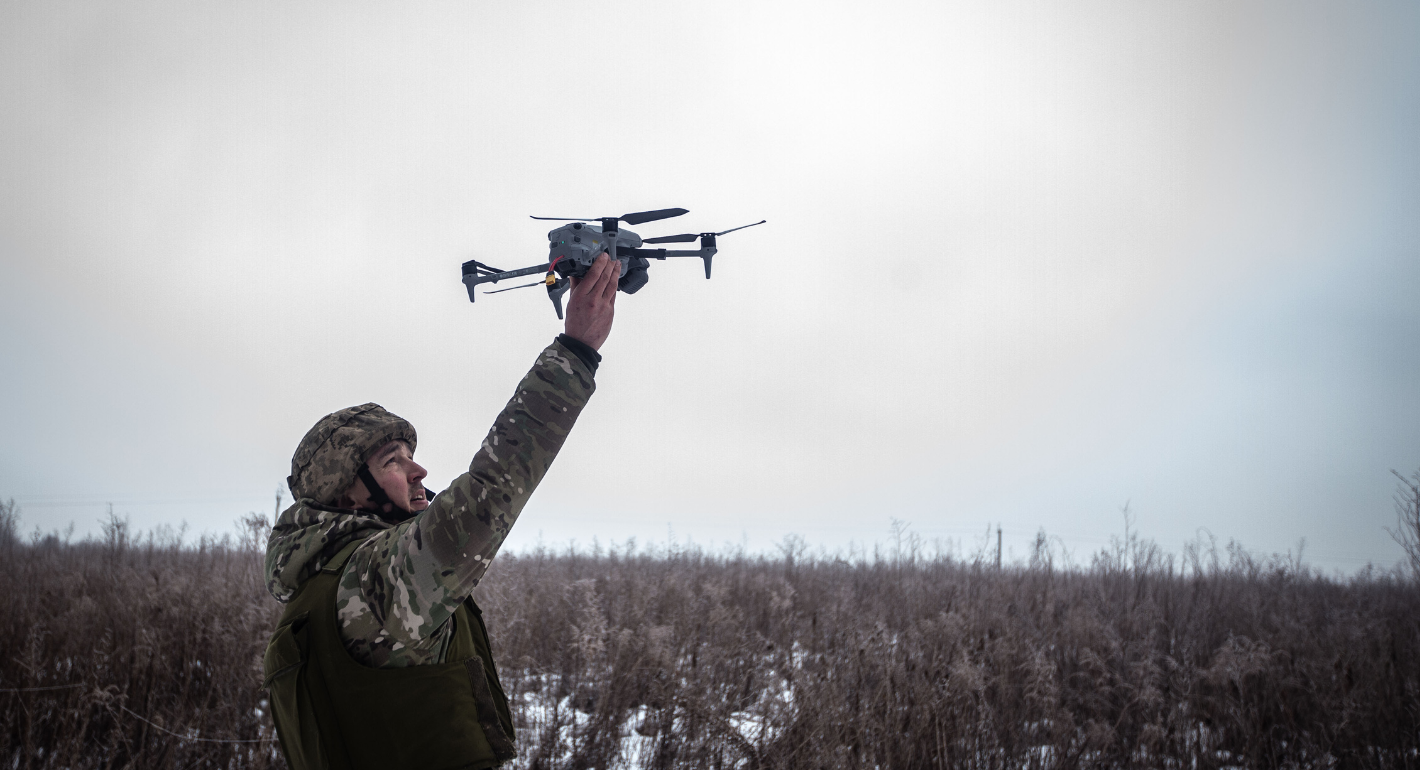
In Ukraine, Gaza, and Iran, AI warfare has come to dominate, with barely any oversight or accountability. Europe must lead the charge on the responsible use of new military technologies.

Raluca Csernatoni