• Research
  • Strategic Europe
  • About
  • Experts
Carnegie Europe logoCarnegie lettermark logo
EUUkraine
  • Donate
{
  "authors": [],
  "type": "pressRelease",
  "centerAffiliationAll": "dc",
  "centers": [
    "Carnegie Endowment for International Peace"
  ],
  "collections": [],
  "englishNewsletterAll": "ctw",
  "nonEnglishNewsletterAll": "",
  "primaryCenter": "Carnegie Endowment for International Peace",
  "programAffiliation": "SAP",
  "programs": [
    "South Asia"
  ],
  "projects": [],
  "regions": [
    "South Asia",
    "Afghanistan",
    "Pakistan"
  ],
  "topics": [
    "Security"
  ]
}
REQUIRED IMAGE

REQUIRED IMAGE

Press Release

Expert: Recent arrests represent only tactical changes in Pakistan’s counterterrorism policy

Recent arrests of high profile Afghan Taliban leaders by Pakistan do not indicate a strategic change in Pakistan’s counterterrorism strategy. In reality, Pakistan wants to assume a leading role in negotiating and reconciling with the Afghan Taliban to ensure a friendlier neighbor after the United States withdraws.

Link Copied
Published on Mar 24, 2010

WASHINGTON, Mar 24—Recent arrests of high profile Afghan Taliban leaders by Pakistan do not indicate a strategic change in Pakistan’s counterterrorism strategy. In reality, Pakistan wants to assume a leading role in negotiating and reconciling with the Afghan Taliban to ensure a friendlier neighbor after the United States withdraws, concludes a new paper by Ashley J. Tellis.

Key conclusions:

  • Despite the arrests of Mullah Beradar and other Taliban leaders (which were either inadvertent or self-serving), Pakistan’s overall strategy of protecting the Afghan Taliban leadership has not changed.
  • Pakistan is threatened by the 2011 drawdown of U.S. troops from Afghanistan, which it believes will leave behind an Afghan state with strong ties to its rival India.
  • A true change in Pakistan’s strategic calculations requires Islamabad to accept that the Taliban—and not India—is the greatest threat to success in Afghanistan.
  • The lack of U.S. leadership at the January London conference on Afghanistan allowed reconciliation with the Taliban to become a centerpiece of the endgame of international involvement.
  • Pakistan’s recent arrests of a few Taliban leaders is meant to exert control over the reconciliation process that Pakistan believes is imminent.

“The recent seizures of a few Taliban leaders by Pakistan isn’t much of a turning point in Islamabad’s traditional strategy after all,” writes Tellis.

###


NOTES

  • Click here to read the paper online
  • Ashley Tellis is a senior associate in the Carnegie South Asia program. He specializes in international security, defense, and Asian strategic issues and helped the U.S. State Department negotiate the civil nuclear agreement with India. Previously, he was a senior adviser to the U.S. ambassador to India and was a special assistant to the president and senior director for strategic planning and Southwest Asia in the National Security Council.
  • The Carnegie South Asia Program offers in-depth expertise on a range of issues relating to South Asia, including nonproliferation, international security, and political and economic development.
  • Press Contact: David Kampf, 202/939-2233, dkampf@ceip.org
SecuritySouth AsiaAfghanistanPakistan

Carnegie does not take institutional positions on public policy issues; the views represented herein are those of the author(s) and do not necessarily reflect the views of Carnegie, its staff, or its trustees.

More Work from Carnegie Europe

  • Commentary
    Strategic Europe
    Taking the Pulse: Can NATO Survive the Iran War?

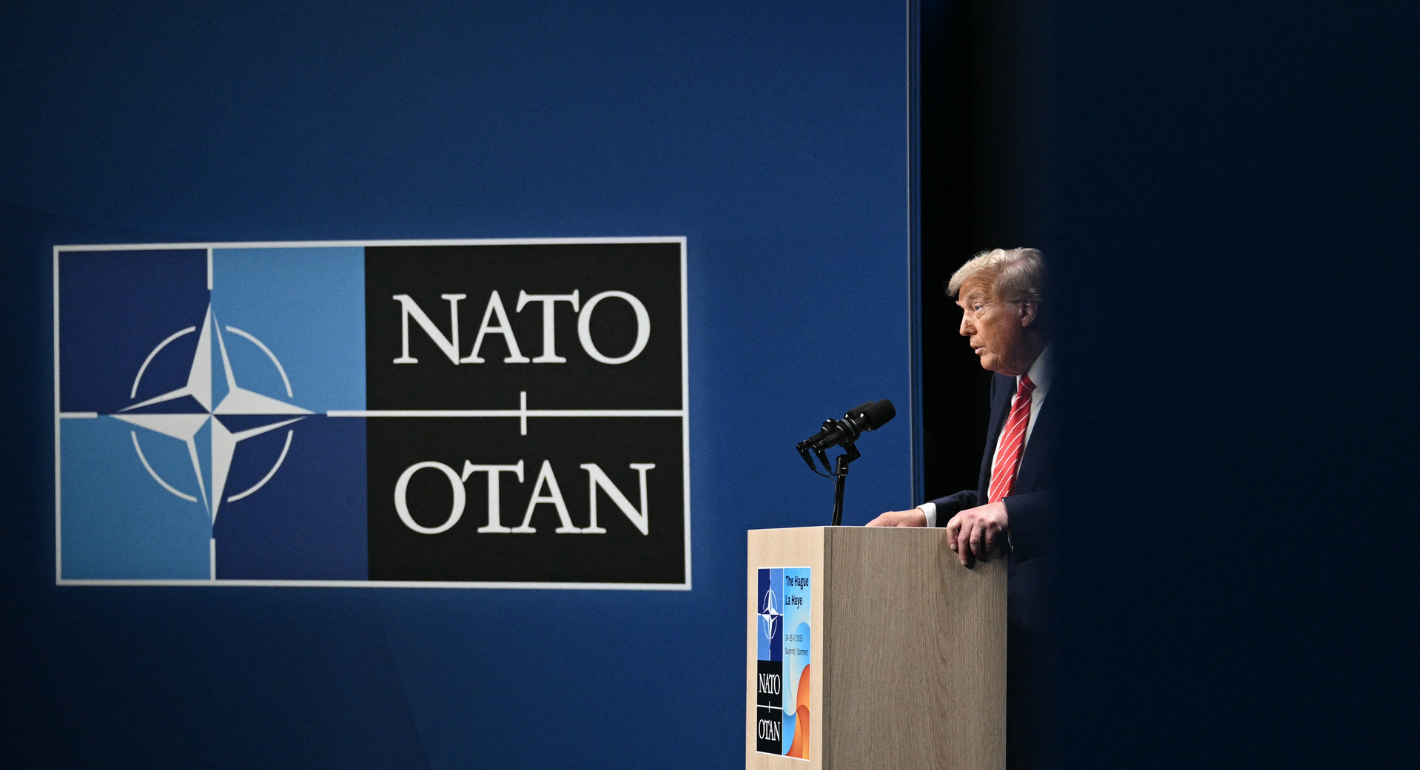
    Donald Trump has repeatedly bashed NATO and European allies, threatening to annex Canada and Greenland and deploring their lack of enthusiasm for his war of choice in Iran. Is this latest round of abuse the final straw?

      • Rym Momtaz

      Rym Momtaz, ed.

  • Research
    Planetary vs International Security: Economic Growth at the Crossroads

    Economic growth is at the heart of a dilemma between planetary and international security.

      Olivia Lazard

  • Commentary
    Strategic Europe
    Europe and the Arab Gulf Must Come Together

    The war in Iran proves the United States is now a destabilizing actor for Europe and the Arab Gulf. From protect their economies and energy supplies to safeguarding their territorial integrity, both regions have much to gain from forming a new kind of partnership together.

      • Rym Momtaz

      Rym Momtaz

  • Commentary
    Strategic Europe
    Taking the Pulse: Is France’s New Nuclear Doctrine Ambitious Enough?

    French President Emmanuel Macron has unveiled his country’s new nuclear doctrine. Are the changes he has made enough to reassure France’s European partners in the current geopolitical context?

      • Rym Momtaz

      Rym Momtaz, ed.

  • Commentary
    The Iran War’s Dangerous Fallout for Europe

    The drone strike on the British air base in Akrotiri brings Europe’s proximity to the conflict in Iran into sharp relief. In the fog of war, old tensions in the Eastern Mediterranean risk being reignited, and regional stakeholders must avoid escalation.

      Marc Pierini

Get more news and analysis from
Carnegie Europe
Carnegie Europe logo, white
Rue du Congrès, 151000 Brussels, Belgium
  • Research
  • Strategic Europe
  • About
  • Experts
  • Projects
  • Events
  • Contact
  • Careers
  • Privacy
  • For Media
  • Gender Equality Plan
Get more news and analysis from
Carnegie Europe
© 2026 Carnegie Endowment for International Peace. All rights reserved.