• Research
  • Strategic Europe
  • About
  • Experts
Carnegie Europe logoCarnegie lettermark logo
EUUkraine
  • Donate
{
  "authors": [
    "Pierre Goldschmidt"
  ],
  "type": "legacyinthemedia",
  "centerAffiliationAll": "dc",
  "centers": [
    "Carnegie Endowment for International Peace",
    "Malcolm H. Kerr Carnegie Middle East Center"
  ],
  "collections": [],
  "englishNewsletterAll": "ctw",
  "nonEnglishNewsletterAll": "",
  "primaryCenter": "Carnegie Endowment for International Peace",
  "programAffiliation": "NPP",
  "programs": [
    "Nuclear Policy"
  ],
  "projects": [],
  "regions": [
    "Middle East",
    "Iran",
    "Gulf"
  ],
  "topics": [
    "Security",
    "Nuclear Policy",
    "Nuclear Energy"
  ]
}
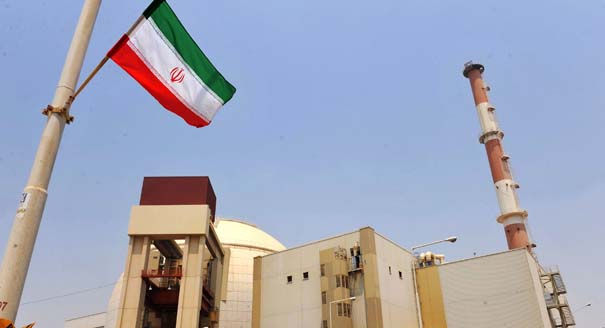
Source: Getty

In The Media

Nuclear Prevention and Red Lines: The Case of Iran

Although there is no precedent for a preventive UN Security Council resolution, it should be more effective in making clear to Iran the negative consequences of its actions than any post facto curative measure.

Link Copied
By Pierre Goldschmidt
Published on Mar 22, 2010

Source: Paper prepared for IISS-CFR Workshop

Nuclear Prevention and Red Lines: The Case of IranPrecautionary measures have not been sufficiently applied to preventing against the risks of nuclear proliferation. Iran has repeatedly crossed red lines regarding its nuclear program with impunity. The best way to prevent the Iranian nuclear crisis from escalating would be for the UN Security Council (UNSC) to adopt a resolution under Chapter VII of the UN Charter deciding that if Iran were to produce high enriched uranium, to separate plutonium, or to notify its withdrawal from the Nuclear Non-Proliferation Treaty (NPT), a number of strong and well-defined sanctions would automatically be implemented without requiring a further UNSC resolution. Although there is no precedent for such a preventive UNSC resolution, it should be more effective in making clear to Iran the negative consequences of its actions than any post facto curative measure.

About the Author

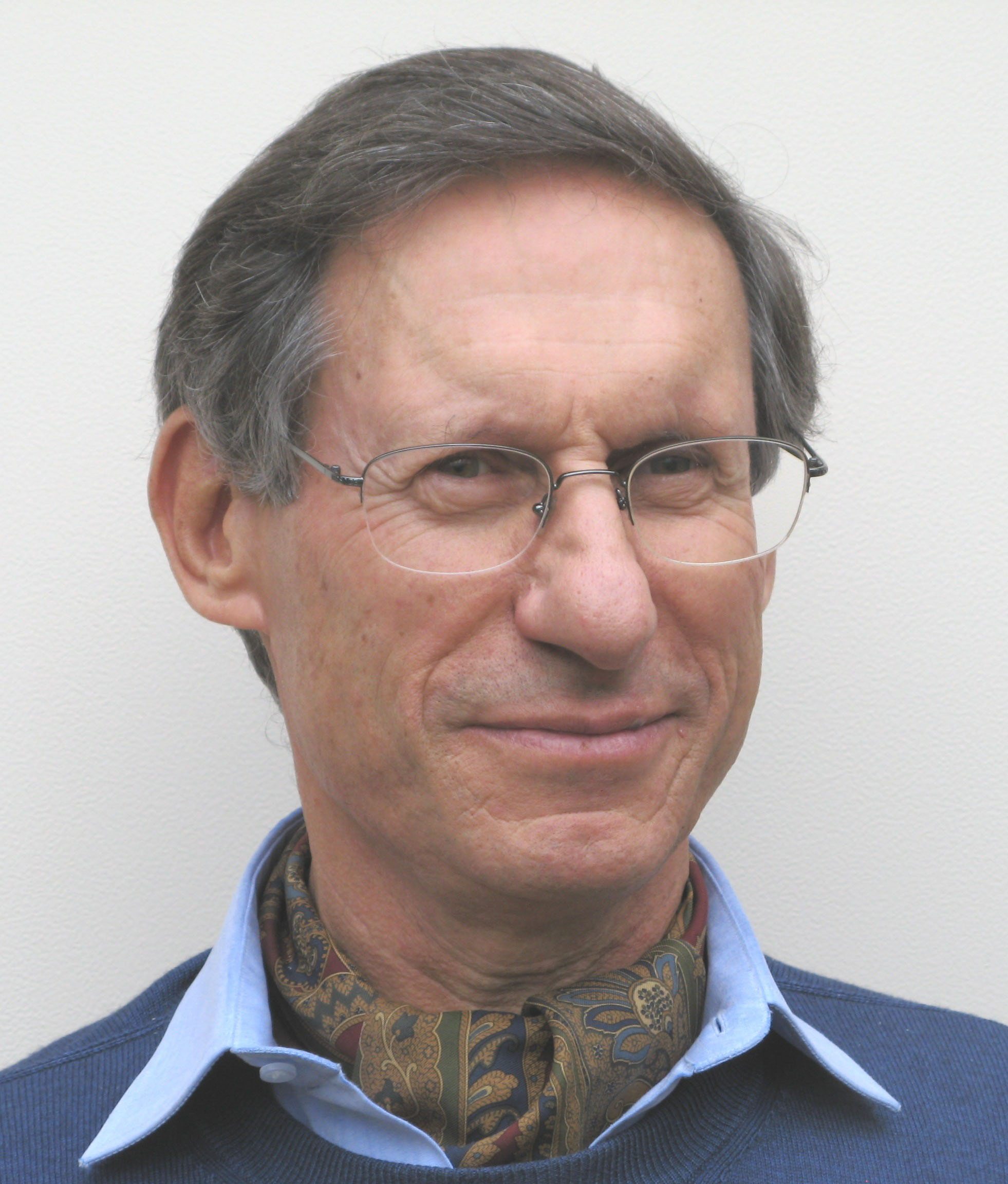
Pierre Goldschmidt

Former Nonresident Senior Associate, Nuclear Policy Program

Goldschmidt was a nonresident senior associate at the Carnegie Endowment.

    Recent Work

  • Article
    A Realistic Approach Toward a Middle East Free of WMD

      Pierre Goldschmidt

  • Article
    Serious Deficiencies Exposed by Latest IAEA Safeguards Implementation Report

      Pierre Goldschmidt

Pierre Goldschmidt
Former Nonresident Senior Associate, Nuclear Policy Program
Pierre Goldschmidt
SecurityNuclear PolicyNuclear EnergyMiddle EastIranGulf

Carnegie does not take institutional positions on public policy issues; the views represented herein are those of the author(s) and do not necessarily reflect the views of Carnegie, its staff, or its trustees.

More Work from Carnegie Europe

  • Commentary
    Strategic Europe
    Taking the Pulse: Is it NATO’s Job to Support Trump’s War of Choice?

    Donald Trump has demanded that European allies send ships to the Strait of Hormuz while his war of choice in Iran rages on. He has constantly berated NATO while the alliance’s secretary-general has emphatically supported him.

      • Rym Momtaz

      Rym Momtaz, ed.

  • Commentary
    Strategic Europe
    Russia’s Imperial Retreat Is Europe’s Strategic Opportunity

    The war in Ukraine is costing Russia its leverage overseas. Across the South Caucasus and Middle East, this presents an opportunity for Europe to pick up the pieces and claim its own sphere of influence.

      William Dixon, Maksym Beznosiuk

  • Research
    Planetary vs International Security: Economic Growth at the Crossroads

    Economic growth is at the heart of a dilemma between planetary and international security.

      Olivia Lazard

  • Commentary
    Strategic Europe
    Europe and the Arab Gulf Must Come Together

    The war in Iran proves the United States is now a destabilizing actor for Europe and the Arab Gulf. From protect their economies and energy supplies to safeguarding their territorial integrity, both regions have much to gain from forming a new kind of partnership together.

      • Rym Momtaz

      Rym Momtaz

  • Commentary
    Strategic Europe
    Taking the Pulse: Is France’s New Nuclear Doctrine Ambitious Enough?

    French President Emmanuel Macron has unveiled his country’s new nuclear doctrine. Are the changes he has made enough to reassure France’s European partners in the current geopolitical context?

      • Rym Momtaz

      Rym Momtaz, ed.

Get more news and analysis from
Carnegie Europe
Carnegie Europe logo, white
Rue du Congrès, 151000 Brussels, Belgium
  • Research
  • Strategic Europe
  • About
  • Experts
  • Projects
  • Events
  • Contact
  • Careers
  • Privacy
  • For Media
  • Gender Equality Plan
Get more news and analysis from
Carnegie Europe
© 2026 Carnegie Endowment for International Peace. All rights reserved.