

Article
Henri J. Barkey
{
  "authors": [
    "Henri J. Barkey"
  ],
  "type": "legacyinthemedia",
  "centerAffiliationAll": "dc",
  "centers": [
    "Carnegie Endowment for International Peace",
    "Malcolm H. Kerr Carnegie Middle East Center"
  ],
  "collections": [],
  "englishNewsletterAll": "menaTransitions",
  "nonEnglishNewsletterAll": "",
  "primaryCenter": "Carnegie Endowment for International Peace",
  "programAffiliation": "MEP",
  "programs": [
    "Middle East"
  ],
  "projects": [],
  "regions": [
    "Middle East",
    "Türkiye",
    "Iraq",
    "Gulf",
    "Levant"
  ],
  "topics": []
}
Source: Getty
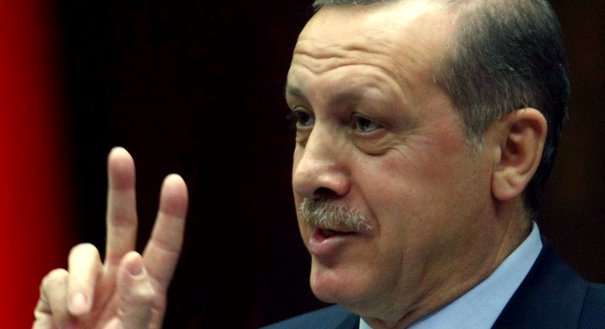
If Turkey manages to continue with improved relations with Iraq, Iraqi Kurds, and its own domestic Kurdish population, then it will have overcome the one of the most important obstacles to its stability.
Source: USIP's On the Issues

In this On the Issues, Barkey discusses reasons for the improved relations, and its significance for Iraq’s future and U.S. national security interests.
USIP: In your Special Report, Turkey's “New Engagement in Iraq: Embracing Iraqi Kurdistan,” you argue that relations between Turkey, Iraq and Kurdistan's Regional Government (KRG) have improved dramatically. How did this transformation come about?
Barkey: Turkey came to the realization that the KRG is here to stay and that, in fact, it is far more amenable to relations -- diplomatic and commercial -- with Turkey than anywhere else in the region. Improved relations with the KRG enables Ankara to have more say in what happens in Iraq and also helps reduce domestic tensions with its own Kurdish minority. The Turkish military also has come to understand that it will not vanquish the Kurdish insurgency in Turkey through violent means alone and a new approach was needed.
USIP: What does this suggest about Turkey's own political stability and direction?
Barkey: If Turkey manages to continue with improved relations with Iraq, Iraqi Kurds and its own domestic Kurdish population, then it will have overcome the single most important obstacle to its stability since the inception of the republic in 1923. This said this is a tall order. And failure to resolve the domestic Kurdish problem remains Turkey's Achilles' Heel.
USIP: What does a more cooperative Turkish-Iraqi relationship mean for U.S. interests---specifically, will it affect plans to draw down American military forces?
Barkey: Turkey has transformed itself from a problem country to a helpful and critically important one in Iraq as far as Washington is concerned. It would have been far more difficult for the U.S. to start executing its withdrawal if Turkish-KRG relations remained hostile.
USIP: You’ve helped to lead the Institute’s efforts to promote dialogue between Turkish and Iraqi foreign policy figures—and between Iraqis and their neighbors more broadly--what kind of lessons can you draw from those efforts on the ground?
Barkey: It is very difficult and one needs a great deal of patience. Most importantly one should expect that change may take place when you least expect it and independent of your efforts. Still, one always wants to hope that one's efforts contributed even if it is in a minor way to a positive outcome.
USIP: What might undermine this new entente between Turkey and Iraq?
Barkey: The domestic Kurdish situation in Turkey. If the Kurdish opening in Turkey falters and if the frustrations of the populations--Kurdish and Turkish--continue to build up with no end in sight, Turkish attitudes towards northern Iraq is likely to harden. In turn, Baghdad will have to make its choice in the event of Turkish-KRG tensions, and it is unlikely that it will side with Ankara against Erbil.
USIP: How could the U.S. - and Iraq and its neighbors - prevent deterioration, and help maintain improved relations in this region?
Barkey: The U.S. has to do four things. First, open a consulate in Erbil. Psychologically, it matters to the Kurds to know that Washington officially acknowledges them and is here to stay in the North - even if symbolically - for a long time to come. It signals others that the U.S. takes the KRG seriously. Second, once the Iraqi government is formed, offer assistance to UNAMI and all parties involved to help resolve the issue of the disputed territories peacefully. Third, help the new Iraqi government finalize the hydrocarbon law. Finally, begin offering assistance to the KRG on good governance; it has been alone for far too long managing on its own.
Former Visiting Scholar, Middle East Program
Barkey served as a member of the U.S. State Department Policy Planning Staff, working primarily on issues related to the Middle East, the Eastern Mediterranean, and intelligence from 1998 to 2000.
Recent Work
Henri J. Barkey
Henri J. Barkey
Carnegie does not take institutional positions on public policy issues; the views represented herein are those of the author(s) and do not necessarily reflect the views of Carnegie, its staff, or its trustees.
Following Ursula von der Leyen’s gaffe equating Turkey to Russia and China, relations with Ankara risk deteriorating even further. Without better, more consistent diplomatic messaging, how can the EU pretend to be a geopolitical power?

Sinan Ülgen
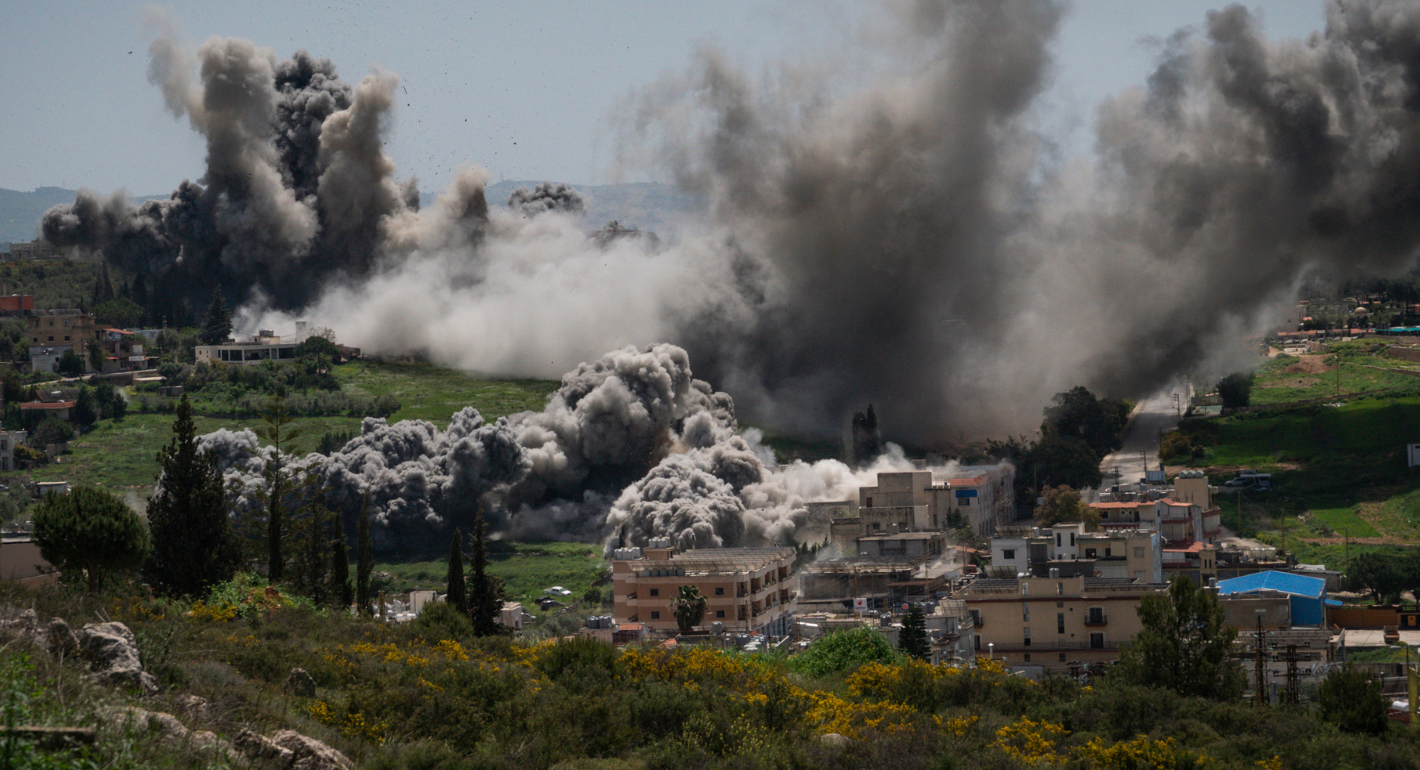
Europe has been standing by while its Southern neighborhood is being redrawn by force. To establish a path to peace between Israel and Lebanon, it’s time for Europeans to get involved with hard power.

Rym Momtaz
The U.S.-sponsored TRIPP deal is driving the Armenia-Azerbaijan peace process forward. But foreign and domestic hurdles remain before connectivity and economic interdependence can open up the South Caucasus.


Thomas de Waal, Areg Kochinyan, Zaur Shiriyev
Donald Trump has demanded that European allies send ships to the Strait of Hormuz while his war of choice in Iran rages on. He has constantly berated NATO while the alliance’s secretary-general has emphatically supported him.
Rym Momtaz, ed.
The war in Ukraine is costing Russia its leverage overseas. Across the South Caucasus and Middle East, this presents an opportunity for Europe to pick up the pieces and claim its own sphere of influence.

William Dixon, Maksym Beznosiuk