

Commentary
A summer of escalation in the Black Sea has hurt Ukraine economically and is exacerbating world food security. A truce is needed—as is a broader reframing of Europe’s Ukraine strategy.
Thomas de Waal
{
  "authors": [],
  "type": "pressRelease",
  "centerAffiliationAll": "dc",
  "centers": [
    "Carnegie Endowment for International Peace"
  ],
  "collections": [],
  "englishNewsletterAll": "asia",
  "nonEnglishNewsletterAll": "",
  "primaryCenter": "Carnegie Endowment for International Peace",
  "programAffiliation": "AP",
  "programs": [
    "Asia"
  ],
  "projects": [],
  "regions": [
    "East Asia",
    "China"
  ],
  "topics": [
    "Economy"
  ]
}
REQUIRED IMAGE
China capitalized on its huge population and geographic size to become the world’s most efficient assembler and exporter of manufactured goods, but the country’s transformation is now reaching a critical turning point.
WASHINGTON, November 10—China capitalized on its huge population and geographic size to become the world’s most efficient assembler and exporter of manufactured goods, but the country’s transformation is now reaching a critical turning point.
In a new paper, Yukon Huang explains how China relied on lower transportation costs and a concentration of economic activities to foster rapid—albeit unbalanced—growth. If China builds on its recent success and adopts a more flexible exchange rate system, the four major policy questions that are now dominating the debate over China’s economic future can be answered as follows:
"Forces are now coming into play that will reshape China’s economic landscape during the coming years in ways that should help harmonize the impact on the global economy of China’s growth, which currently is rattling global trade and commodity markets," writes Huang.
NOTES
Click here to read the full paper
Yukon Huang is a senior associate in the Carnegie Asia Program, where his research focuses on China’s economic development and its impact on Asia and the global economy. Previously he was the World Bank’s country director for China (1997–2004) and Russia and the former Soviet Union Republics of Central Asia (1992–1997). Earlier he served as lead economist for Asia and chief for Country Assistance Strategies. He has also held positions at the U.S. Treasury and various universities in the United States, Tanzania, and Malaysia.
The Carnegie Asia Program in Beijing and Washington provides clear and precise analysis to policy makers on the complex economic, security, and political developments in the Asia-Pacific region.
The Carnegie–Tsinghua Center for Global Policy is a joint U.S.–China research center based at Tsinghua University in Beijing, China. The Center brings together senior scholars and experts from the United States and China for collaborative research on common global challenges that face the United States and China.
Press Contact: Kendra Galante, 202-939-2233, pressoffice@ceip.org

A summer of escalation in the Black Sea has hurt Ukraine economically and is exacerbating world food security. A truce is needed—as is a broader reframing of Europe’s Ukraine strategy.

Thomas de Waal

The hybrid warfare landscape is evolving rapidly, leaving policymakers without clear strategies. To better inform their work in addressing emerging challenges, governments must dig deeper into the underlying dynamics at play.


Raluca Csernatoni, Alicia Wanless

As geopolitical rivalry weaponizes global supply chains, the EU’s true vulnerability lies in emerging-risk imports. For these goods, suppliers are growing more concentrated, substitution more difficult, and political risk is looming.

Sinan Ülgen

The EU is putting together a new security strategy to meet today’s myriad challenges. But for any proposal to be effective, the union needs to grapple with its identity and ambitions.

Pierre Vimont
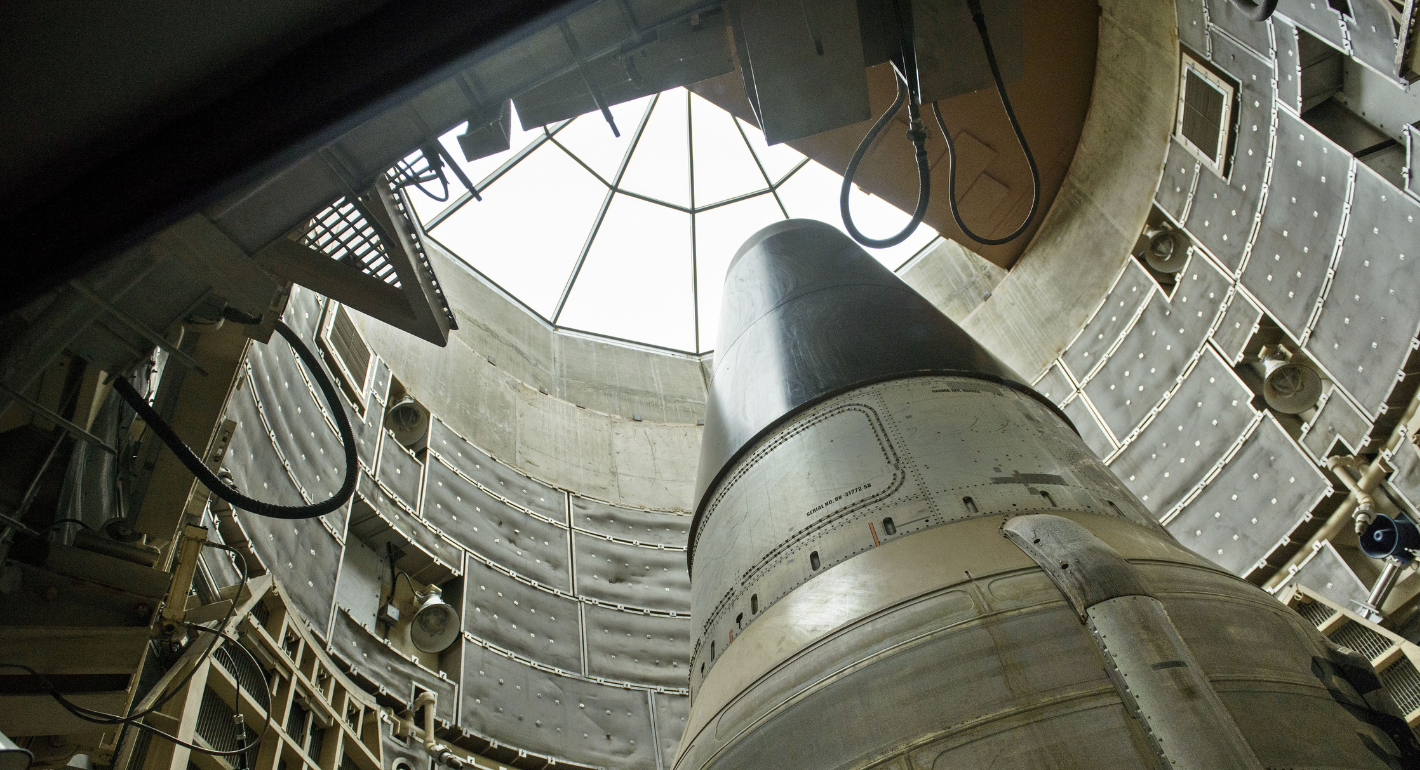
Amid uncertainty caused by the Iran war, the global drive for nonproliferation has stalled. With Europe diplomatically marginalized and countries reassessing their nuclear options, efforts to curb the spread of nuclear weapons risk becoming irrelevant.

Jane Darby Menton