

In The Media
Lahcen Achy
{
  "authors": [
    "Lahcen Achy"
  ],
  "type": "legacyinthemedia",
  "centerAffiliationAll": "",
  "centers": [
    "Carnegie Endowment for International Peace",
    "Carnegie Europe",
    "Malcolm H. Kerr Carnegie Middle East Center"
  ],
  "collections": [
    "Arab Awakening"
  ],
  "englishNewsletterAll": "",
  "nonEnglishNewsletterAll": "",
  "primaryCenter": "Malcolm H. Kerr Carnegie Middle East Center",
  "programAffiliation": "",
  "programs": [],
  "projects": [],
  "regions": [
    "Maghreb",
    "Tunisia",
    "North Africa",
    "Middle East"
  ],
  "topics": [
    "Economy"
  ]
}
Source: Getty
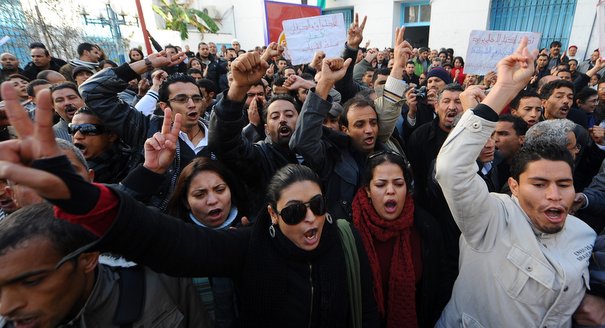
With nearly 1 in 3 Tunisian youth unemployed, the country’s policymakers must develop a strategic vision for growth and create jobs quickly.
Source: Los Angeles Times

Even as the level of education among job seekers in Tunisia has improved, the government has failed to make policies guaranteeing enough job creation to absorb new entrants to the labor market, especially among those with university degrees.
As a result, Tunisia has one of the highest levels of unemployment among Arab states: more than 14% overall and 30% among those between age 15 and 29.
Many of those with degrees -- after failing to find work commensurate with their qualifications -- wind up launching small businesses in the informal sector, which leaves them asking their families for financial help. Others choose to emigrate to other countries, be it legally or illegally.
Sadly, the suicide rate among young people has increased as well. Some youths have even set themselves on fire in public to draw officials' attention to their depressed state. As the latest incident demonstrates, these acts are neither isolated nor exceptional. Rather, they express a deep sense of despondence among many youth that their chances for employment and a dignified life are dwindling.
The lack of job opportunities for Tunisia’s educated youth exists for several reasons.
First, Tunisia's growth model suffers from excessive specialization and over-dependence on one market -- the European Union -- that has not matched Tunisia's supply with demand.
Second, Tunisia based its growth strategy on low-skill sectors that depend on cheap labor, such as textiles and clothing manufacturing, as well as tourism aimed at Europeans with medium-to-low incomes. These sectors do not provide enough job opportunities for the highly educated newcomers in the labor market.
Third, the demand for highly skilled labor has not kept up with the increased level of education in Tunisia. Over the last decade, the proportion of job seekers with higher education rose from 20% of the labor force in 2000 to more than 55% in 2009.
Fourth, the business environment in Tunisia offers little protection for investors -- especially local ones -- due to the absence of transparency and the rule of law. In addition, small- and medium-size institutions suffer from limited funding opportunities. Both of these factors limit initiative and restrain private-sector investment, hurting job creation.
Fifth, the restrictive eligibility criteria for Tunisia's labor-market policies limit the number of people who benefit from them and make the average amount of money spent per participant very high.
To provide more employment opportunities that better match job-seekers' education levels and increase economic growth, Tunisia's leaders must design incentives to direct resources toward knowledge-intensive sectors and industries, stimulate technological innovation, and overcome weaknesses in the business climate and administration. The return on investment in education is a central component of the Tunisian social model that is currently being wasted at both the individual and collective level.
Tunisia's policymakers must develop a strategic vision for growth that will enable the economy to absorb the available human capital -- and they must do so quickly. This will not only help young people find jobs now, but will reassure them that a better future lies ahead.

Former Nonresident Senior Associate, Middle East Center
Achy is an economist with expertise in development, institutional economics, trade, and labor and a focus on the Middle East and North Africa.
Recent Work
Lahcen Achy
Lahcen Achy
Carnegie does not take institutional positions on public policy issues; the views represented herein are those of the author(s) and do not necessarily reflect the views of Carnegie, its staff, or its trustees.

A summer of escalation in the Black Sea has hurt Ukraine economically and is exacerbating world food security. A truce is needed—as is a broader reframing of Europe’s Ukraine strategy.

Thomas de Waal
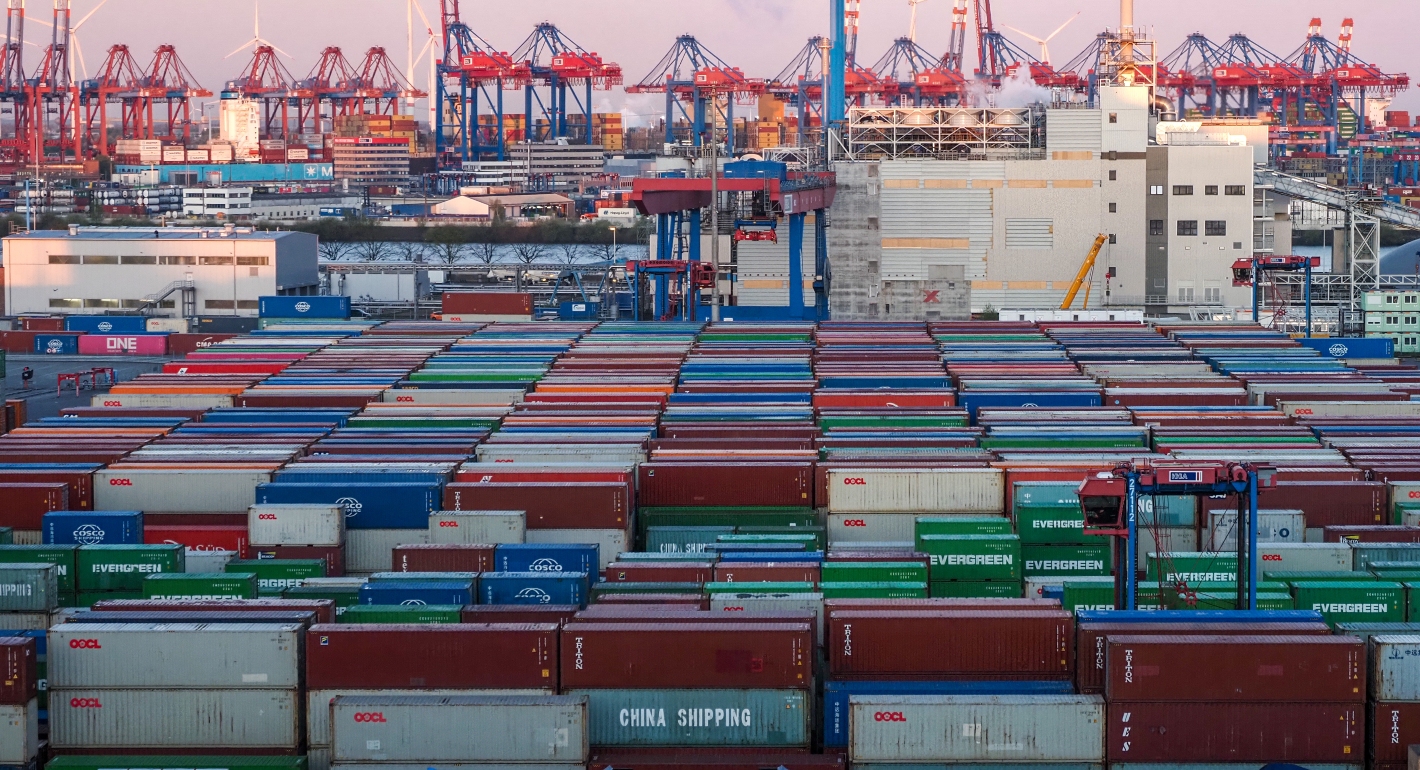
As geopolitical rivalry weaponizes global supply chains, the EU’s true vulnerability lies in emerging-risk imports. For these goods, suppliers are growing more concentrated, substitution more difficult, and political risk is looming.

Sinan Ülgen

The EU is putting together a new security strategy to meet today’s myriad challenges. But for any proposal to be effective, the union needs to grapple with its identity and ambitions.

Pierre Vimont
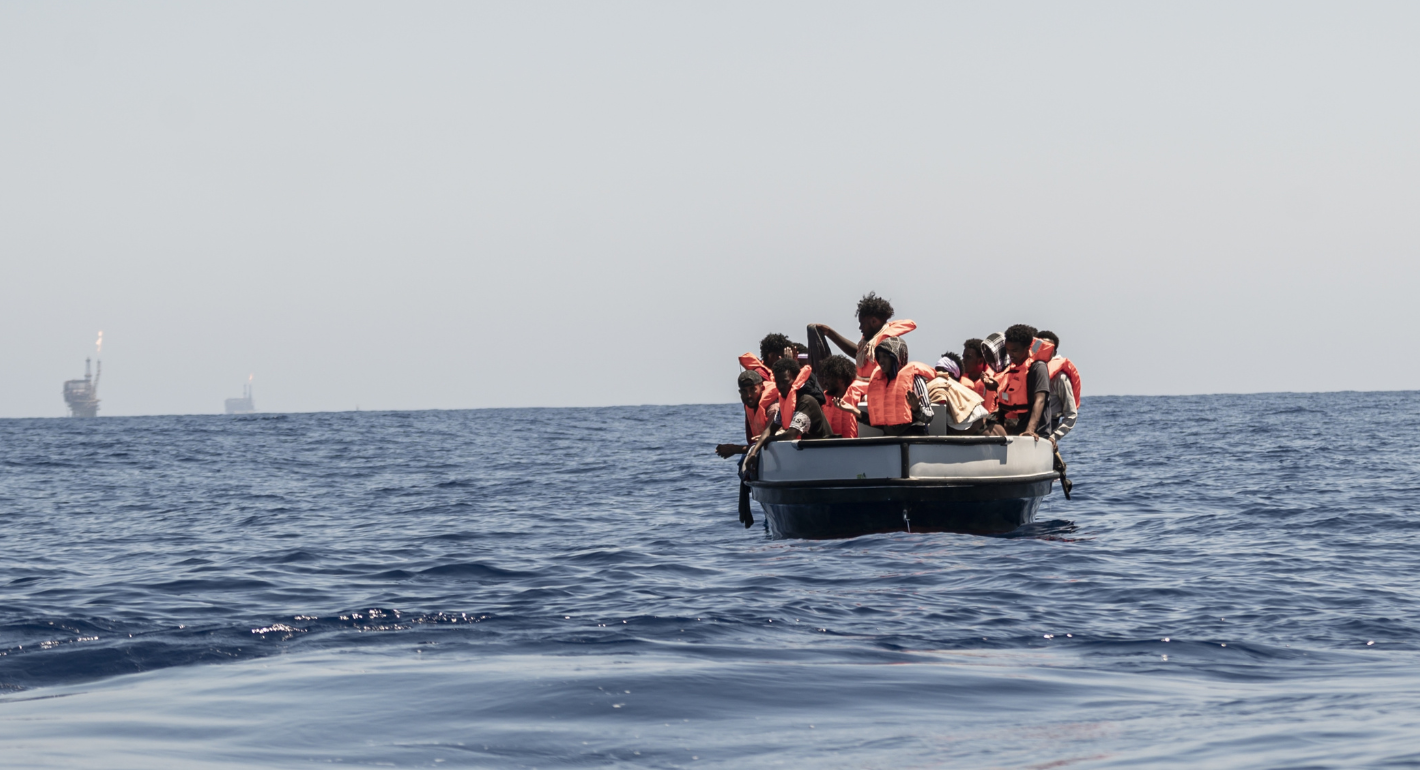
The EU’s new migration policy is not suited to today’s realities. With climate change increasingly becoming a driver of displacement, Europe needs to rethink its deterrence-focused approach.

Shana Tabak
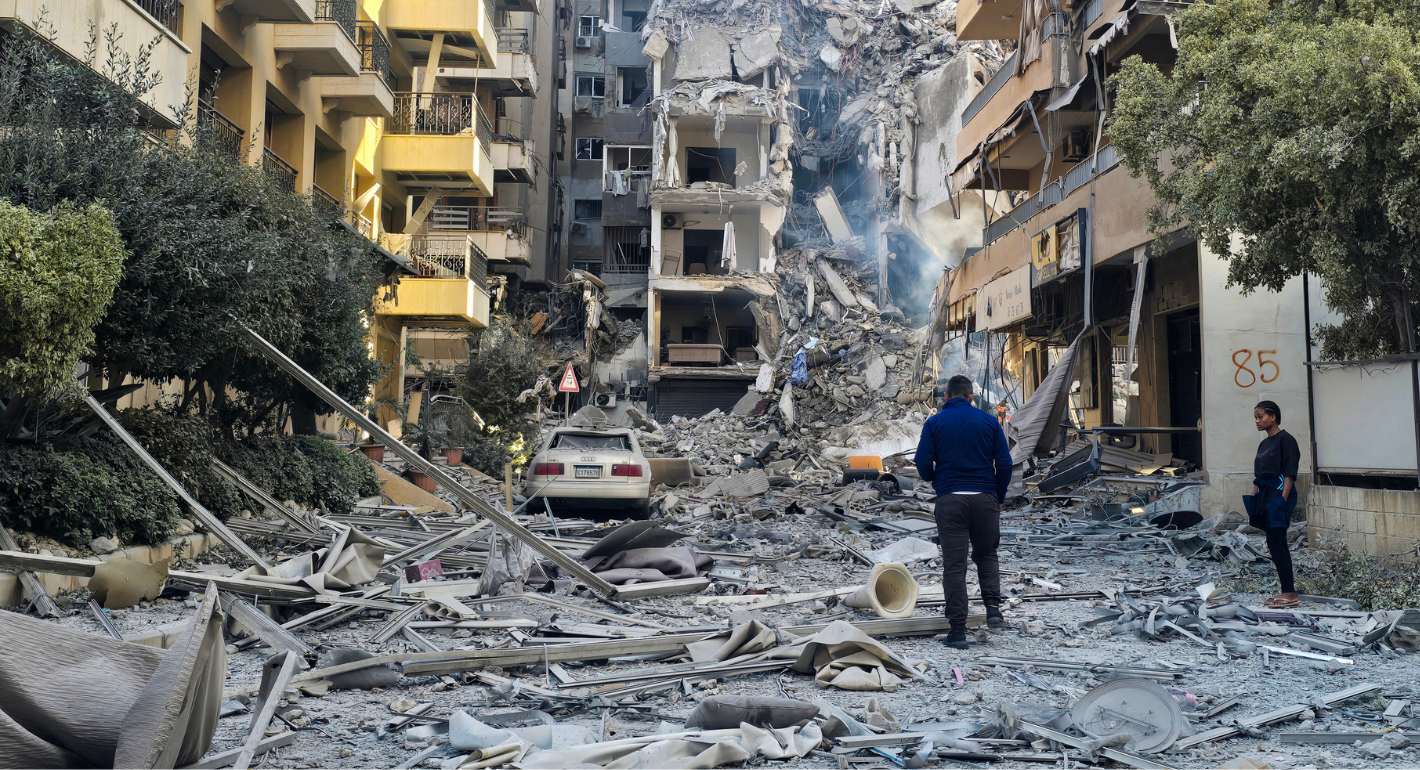
Europe seems to have accepted its sidelining in the Middle East. The EU must reassert its support for the international rules-based order and step up engagement.

Rym Momtaz