Lahcen Achy
{
"authors": [
"Lahcen Achy"
],
"type": "legacyinthemedia",
"centerAffiliationAll": "",
"centers": [
"Carnegie Endowment for International Peace",
"Malcolm H. Kerr Carnegie Middle East Center"
],
"collections": [
"Arab Awakening"
],
"englishNewsletterAll": "",
"nonEnglishNewsletterAll": "",
"primaryCenter": "Malcolm H. Kerr Carnegie Middle East Center",
"programAffiliation": "",
"programs": [],
"projects": [],
"regions": [
"Egypt",
"North Africa"
],
"topics": [
"Political Reform",
"Economy"
]
}Source: Getty
Egypt: Unrest Poses Short-term Economic Challenges, Long-term Opportunities
Egypt’s new government must focus on social issues by fighting poverty and inequality and stimulating the creation of decent jobs.
Source: Los Angeles Times

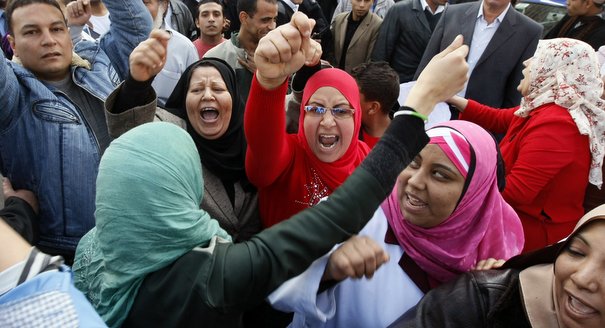
Economic growth is projected to decline, job losses and poverty to increase, inflation to heighten, and the budget deficit to expand. If mass protests continue, the economic damage may be considerable.
But if a smooth transition takes place quickly and the right reforms are implemented, Egypt’s economy will come back stronger.
The unrest in Cairo, Alexandria, and other major cities has disrupted production and service deliveries, spread fear among tourists and led investors to reallocate their portfolios away from Cairo’s stock market to safer destinations — all hurting Egypt’s economy.
Most shops and markets have been closed. Food prices have soared by more than 15%. Tourism — which provides more than 2 million jobs and around 10% of the country’s economic output — has also suffered, with Egypt losing an estimated $100 million a day since the uprising began.
In addition, Egypt’s stock market has plunged by 21% since early January. Large outflows of foreign portfolio investments from Egypt to alternative markets are likely. And Egypt’s sovereign credit rating was downgraded by international rating agencies, making it more expensive for the country to borrow money.
Faced with this situation, the government will need to address major economic challenges and deep social imbalances in the coming years. Its short-term priority, however, should be to return Egypt to “normal” economic activity.
Egypt’s government will need to restore economic confidence by signaling to domestic and foreign investors that the country is heading toward a stable, transparent and competitive business environment. With that confidence, tourists will return to the country, outflows of foreign exchange reserves will cease and economic growth will resume.
When the new government is elected, it must focus on social issues by fighting poverty and inequality and stimulate the creation of decent jobs. Today, more than 40% of Egyptians earn less than $2 per day and large inequalities exist between rich and poor.
To do this, Egypt will need to reform its tax system, crack down on tax evasion, and adopt a progressive and redistributive taxation scheme. Egypt must also revisit its universal subsidy system that absorbs more than 8% of GDP and over one-third of public spending. Though politically popular, studies show non-targeted subsidies benefit the rich more than the poor.
To mitigate the impact on the poor, Egypt must increase the minimum wage in both the government and the private sector and implement appropriate safety-net mechanisms. Finally, policymakers should shift fiscal resources from subsidies to public investments in health, education and employment policies. These steps will help prepare Egypt for a brighter economic future long after the crisis has passed.
About the Author
Former Nonresident Senior Associate, Middle East Center
Achy is an economist with expertise in development, institutional economics, trade, and labor and a focus on the Middle East and North Africa.
- Arab States Need Industrial Policy ReformIn The Media
- The Price of Stability in AlgeriaPaper
Lahcen Achy
Recent Work
Carnegie does not take institutional positions on public policy issues; the views represented herein are those of the author(s) and do not necessarily reflect the views of Carnegie, its staff, or its trustees.
More Work from Carnegie Europe
- EU Integration Without Ratification?Article
Countries face several hurdles in joining the EU, including the final stage of ratifying their accession treaties. Procedural reforms and substantive adjustments could help move the process forward.

Stefan Lehne
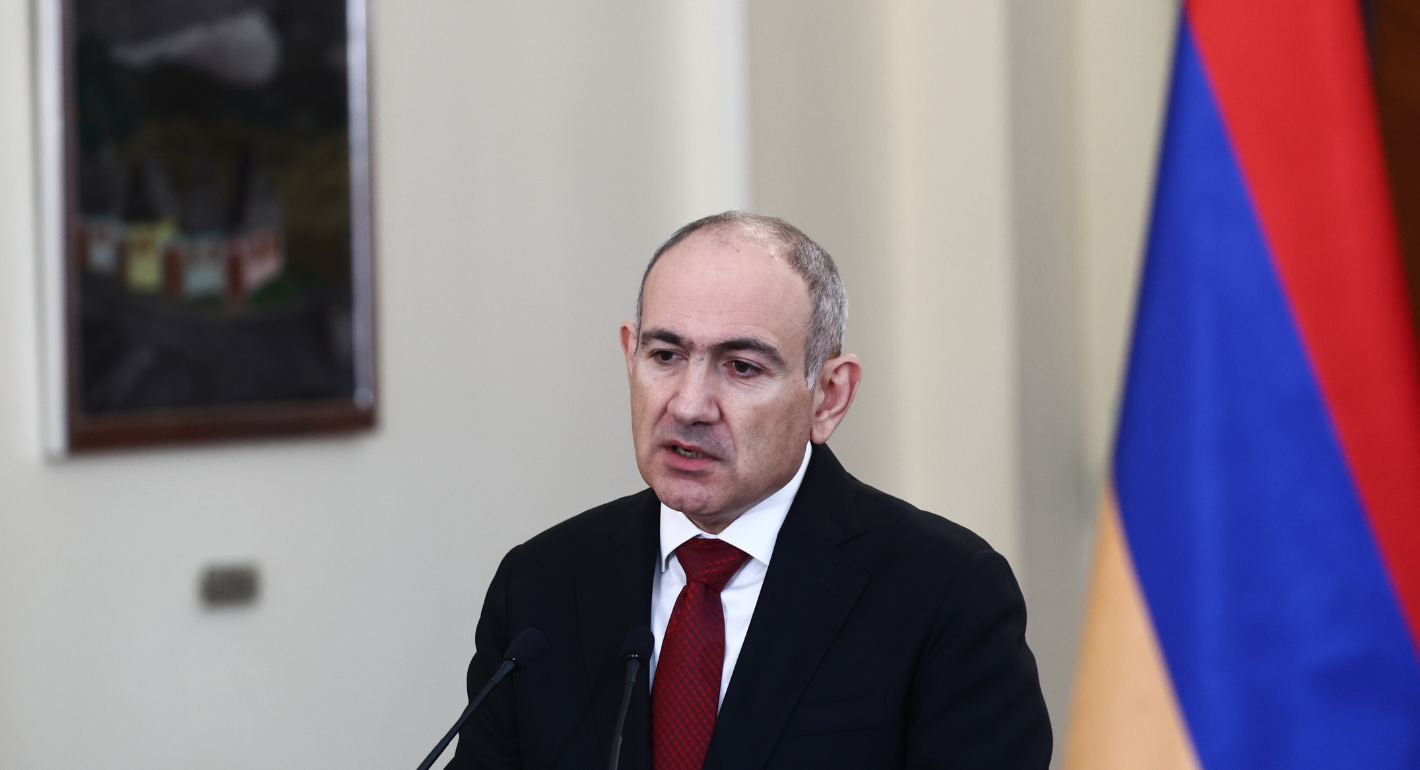
- There Is No Shortcut for Europe in ArmeniaCommentary
Europe has an interest in supporting Armenian leader Nikol Pashinyan as he tries to make peace with neighbors and loosen ties with Russia. But it is depersonalized support in the long term, not quickfire flash, that will win the day.

Thomas de Waal

- How to Join the EU in Three Easy StepsCommentary
Montenegro and Albania are frontrunners for EU enlargement in the Western Balkans, but they can’t just sit back and wait. To meet their 2030 accession ambitions, they must make a strong positive case.

Dimitar Bechev, Iliriana Gjoni

- Rewiring the South Caucasus: TRIPP and the New Geopolitics of ConnectivityArticle
The U.S.-sponsored TRIPP deal is driving the Armenia-Azerbaijan peace process forward. But foreign and domestic hurdles remain before connectivity and economic interdependence can open up the South Caucasus.

Thomas de Waal, Areg Kochinyan, Zaur Shiriyev

- Planetary vs International Security: Economic Growth at the CrossroadsResearch
Economic growth is at the heart of a dilemma between planetary and international security.

Olivia Lazard