

Research
- +6
Yasmine Farouk, Nathan J. Brown, Maysaa Shuja Al-Deen, …
{
  "authors": [
    "Michele Dunne"
  ],
  "type": "legacyinthemedia",
  "centerAffiliationAll": "dc",
  "centers": [
    "Carnegie Endowment for International Peace",
    "Carnegie Europe",
    "Malcolm H. Kerr Carnegie Middle East Center"
  ],
  "collections": [
    "Arab Awakening"
  ],
  "englishNewsletterAll": "menaTransitions",
  "nonEnglishNewsletterAll": "",
  "primaryCenter": "Carnegie Endowment for International Peace",
  "programAffiliation": "MEP",
  "programs": [
    "Middle East"
  ],
  "projects": [],
  "regions": [
    "North Africa",
    "Egypt",
    "Middle East"
  ],
  "topics": [
    "Political Reform"
  ]
}
Source: Getty
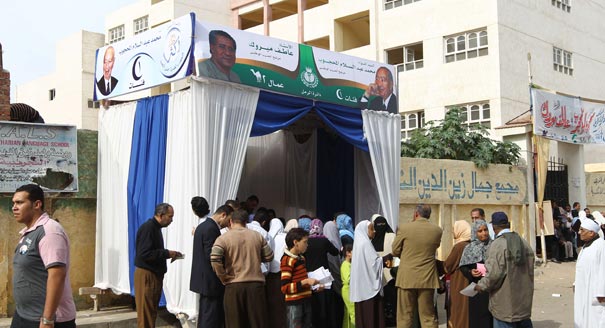
While there is no risk-free change in a country that has been under authoritarian government for so long, Egyptians today face the real possibility that they will soon have the right and the ability to choose and to change their government for the first time ever.
Source: New York Times

The military, or perhaps the new civilian leadership, will need to clarify the path forward toward constitutional reform to allow free elections. These steps will be essential to persuade protesters to begin leaving the streets and it is hard to see how military leaders can avoid them even if their ultimate intentions are not clear.
There will be many indications in the coming days of whether military leaders can leave behind old ways and move in the direction of democracy. Lifting the state of emergency immediately would be a critical signal; it is not as though Egypt lacks a regular penal code that would allow arrest and prosecution of those committing crimes.
Welcoming all relevant opposition and protest groups to participate in negotiations with the government, and being a bit patient with such groups as they attempt to organize themselves in the coming days and weeks, would bode well. Allowing the state-run media to report freely on developments, as they suddenly began to do in the last few days, and allowing a wide range of opinions to be expressed there would be good signs, whereas attempts to manipulate or mislead public opinion through such media would be ominous.
Even if military leaders believe they must lead the country toward democracy, there are many pitfalls along the way that could change their minds. Restarting Egypt’s economy and meeting what might be unrealistic expectations for prosperity are likely to prove difficult and might well lead to fresh protests. A resurgence of terrorism, sectarian tensions, or any form of external security threat could raise tensions between the military and civilians dangerously.
Yet it is important to keep in mind that, while there is no risk-free change in a country that has been under authoritarian government for so long, Egyptians today face the real possibility, if not the certainty, that they will soon have the right and the ability to choose and to change their government for the first time ever.

Former Nonresident Scholar, Middle East Program
Michele Dunne was a nonresident scholar in Carnegie’s Middle East Program, where her research focuses on political and economic change in Arab countries, particularly Egypt, as well as U.S. policy in the Middle East.
Recent Work



Yasmine Farouk, Nathan J. Brown, Maysaa Shuja Al-Deen, …
Robert Springborg, Emile Hokayem, Becca Wasser, …
Carnegie does not take institutional positions on public policy issues; the views represented herein are those of the author(s) and do not necessarily reflect the views of Carnegie, its staff, or its trustees.

As the EU confronts profound challenges, several leaders have called for fundamental reform to the union’s model—but only modest, superficial changes have resulted. What if Europe really could be reimagined from zero today: What should such a redesigned European order look like?

Richard Youngs, ed.

The EU’s new migration policy is not suited to today’s realities. With climate change increasingly becoming a driver of displacement, Europe needs to rethink its deterrence-focused approach.

Shana Tabak
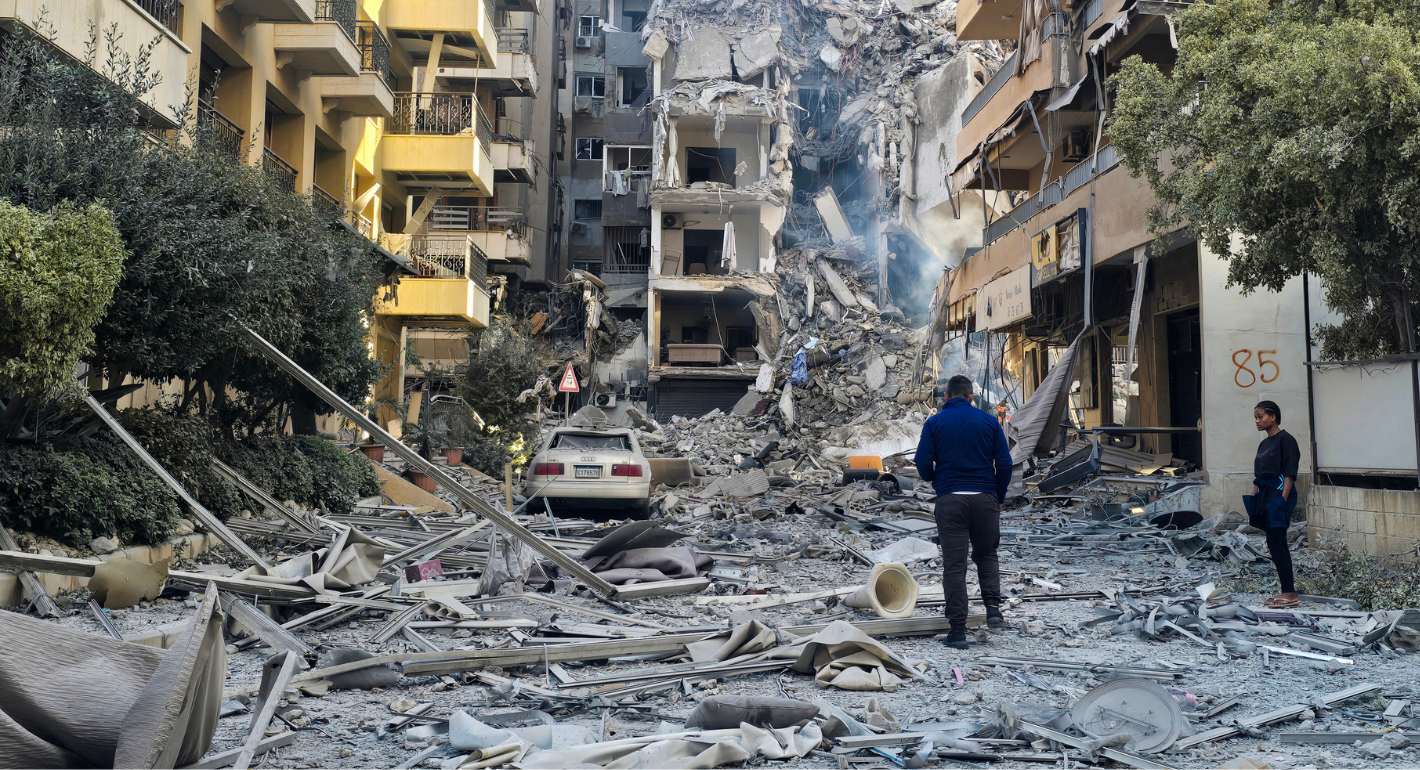
Europe seems to have accepted its sidelining in the Middle East. The EU must reassert its support for the international rules-based order and step up engagement.

Rym Momtaz
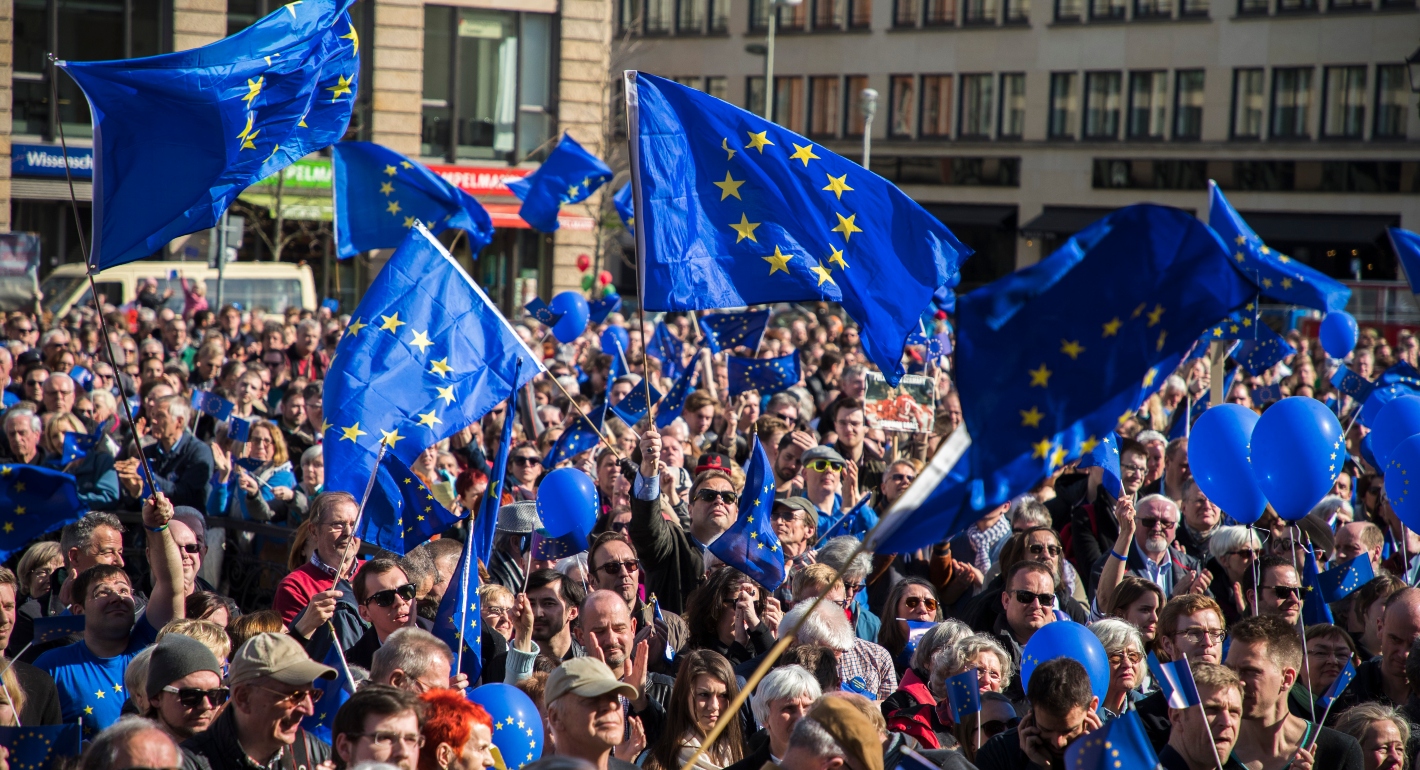
Preparing candidate countries for EU membership is no longer enough. As the enlargement process becomes a reality, the union must also prepare its own societies.

Iliriana Gjoni
Countries face several hurdles in joining the EU, including the final stage of ratifying their accession treaties. Procedural reforms and substantive adjustments could help move the process forward.

Stefan Lehne