

Commentary
Thomas de Waal
{
  "authors": [
    "Thomas de Waal"
  ],
  "type": "legacyinthemedia",
  "centerAffiliationAll": "dc",
  "centers": [
    "Carnegie Endowment for International Peace",
    "Carnegie Europe",
    "Carnegie Russia Eurasia Center"
  ],
  "collections": [],
  "englishNewsletterAll": "ctw",
  "nonEnglishNewsletterAll": "",
  "primaryCenter": "Carnegie Europe",
  "programAffiliation": "russia",
  "programs": [
    "Russia and Eurasia"
  ],
  "projects": [],
  "regions": [
    "Caucasus",
    "Russia",
    "Georgia"
  ],
  "topics": [
    "Economy"
  ]
}
Source: Getty
Lifting the Russian embargo imposed on the Georgian wine would benefit the economic interests of both countries and would support the strained Russian-Georgian relationship.
Source: National Interest

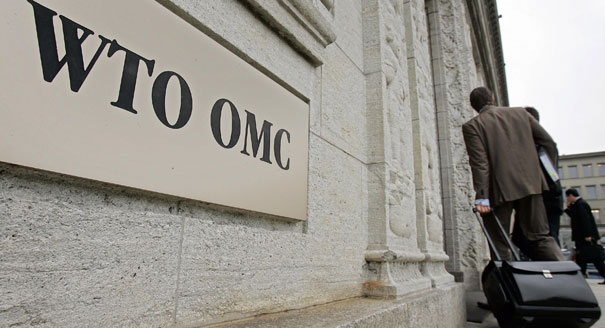
Of course I was drinking at Jumber’s table for professional purposes. My main line of inquiry: how the state of the Georgian wine industry affects Russia’s prospects of joining the World Trade Organization. As we all know, Russia is by far the biggest economy currently not a part of the WTO. Since 1991 the Russian government has changed its mind several times as to whether it will win or lose more by opening up its economy to the full force of international free trade, but finally it has decided to go for it, with Western support. Western businessmen are relishing what could be an increase in billions of dollars in Russia’s trade turnover. If all goes smoothly, Russia could join the WTO by the end of the year.
But one problem remains: Russia’s relations with Georgia, which, as one of the WTO’s 153 members, has the ability to block the accession of a new country.
Everyone is playing it cool. U.S. and European officials are clear that Georgia’s objections are a bilateral issue between Moscow and Tbilisi which they will not get involved in—openly at least. The mediator between the two sides is the Swiss foreign ministry. The Georgians say they do not want to “politicize” the issue—except that what they say are “trade concerns,” the status of the borders of Abkhazia and South Ossetia, are very much political issues in Moscow.
There is however one purely trade issue which has to be resolved if Russia is to overcome Georgian objections. That is the embargo on wine and mineral water that Moscow imposed on Georgia.
It is a vindictive policy. In 2006, Russia imposed a unilateral ban on Georgia’s wine and its famous Borjomi mineral water. They had legalistic cover for doing so as the Georgian wine market was unregulated and flooded with fake produce. But of course this was a mere excuse: Russia continued to import millions of fake products from countries with which it had no political disputes. And if Georgian wine was poor quality no one remembered to tell Russia’s diplomats in Tbilisi. When they were pulled back to Moscow during a spy row later that year, Georgian television showed footage of them carting large trolleys of Georgian wine through the airport.
The embargo had a catastrophic effect. Russia had imported almost 90 percent of Georgia’s wine or around 52 million bottles in 2005. The market collapsed. Kakheti, the region I visited last month, fell into poverty. Since then the wine industry has recovered somewhat. Ukraine is now the biggest market, but Georgian wine is also making some modest inroads into new countries, even the United States. One good result of the embargo is that the forgers quit the business while producers focused on quality rather than quantity. The fields around Jumber’s house used to be full of vines but most of them are now empty.
That means that reclaiming the Russian market would be very welcome for Georgian winemakers, but it is no longer such a life-and-death priority. The Georgians are holding out for more. In this game of international poker they obviously want to play this rare good hand of cards they have against their biggest adversary. But they also don’t want to alienate their Western friends, who want Russia in the WTO.
Lifting the wine ban is more than just about cash. It will give ballast to the Georgian-Russian relationship as both countries head toward potentially destabilizing elections when they will be tempted to use the conflict between them as a political instrument.
It will also benefit two social groups who deserve not to be ignored. One is Georgia’s rural poor who have suffered more than any other segment of society since 2004, both from the neglect of their own government and the actions of Russia. The second are Russian women who were the main consumers of the sweet red wines, such as Kindzmarauli (which most other foreigners can’t bear), and who have been unjustly deprived of their sweet tipple for the past few years. Winning back the affection of half the Russian population can’t be a bad objective for Georgian diplomacy.

Senior Fellow, Carnegie Europe
Thomas de Waal is a senior fellow at Carnegie Europe, specializing in Eastern Europe and the Caucasus.
Recent Work
Thomas de Waal

Thomas de Waal, Areg Kochinyan, Zaur Shiriyev
As geopolitical rivalry weaponizes global supply chains, the EU’s true vulnerability lies in emerging-risk imports. For these goods, suppliers are growing more concentrated, substitution more difficult, and political risk is looming.

Sinan Ülgen
The EU is putting together a new security strategy to meet today’s myriad challenges. But for any proposal to be effective, the union needs to grapple with its identity and ambitions.

Pierre Vimont
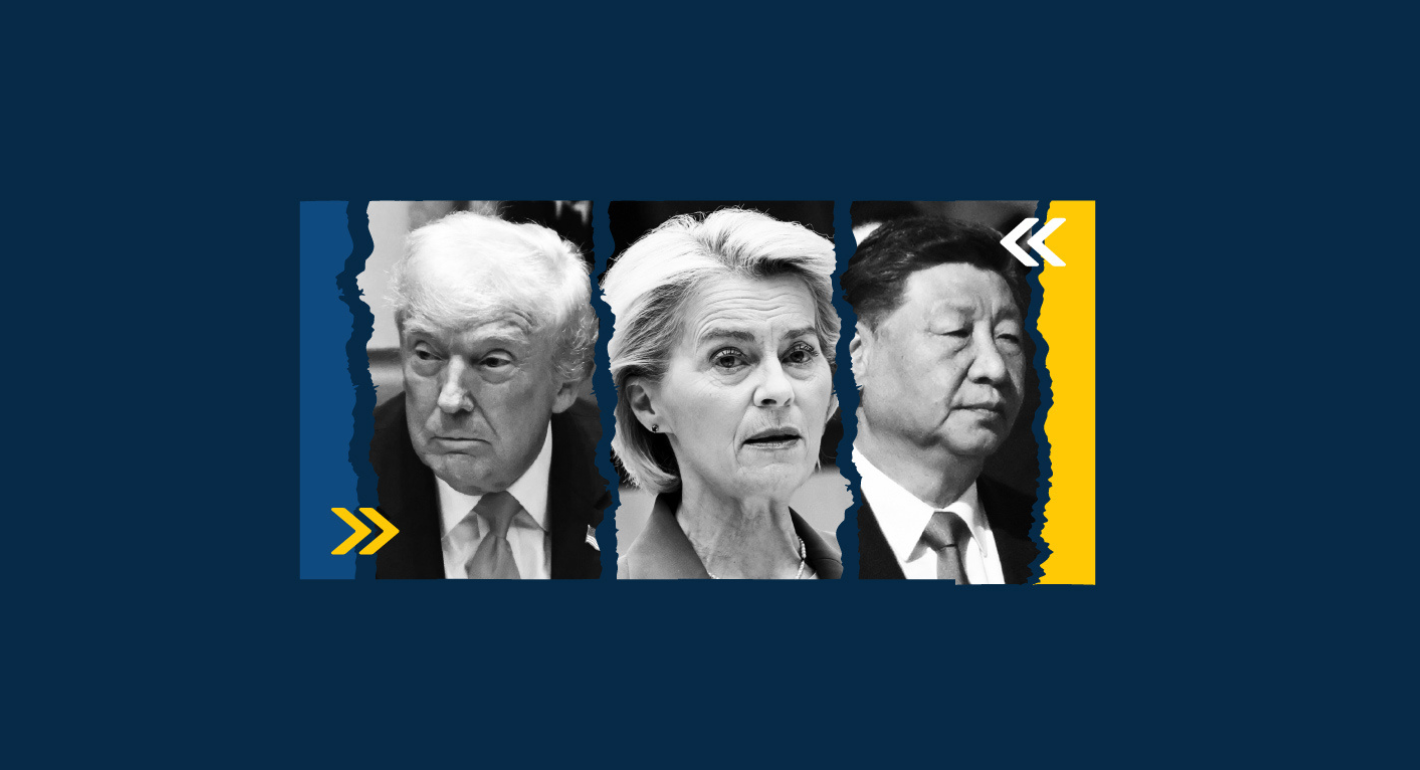
Between the United States’ market-driven approach and China's state-led industrial strategy, Europe is reckoning with how it can remain competitive in the global economy. But is Europe in danger of becoming a U.S. or China colony?

Noah Barkin, Anu Bradford
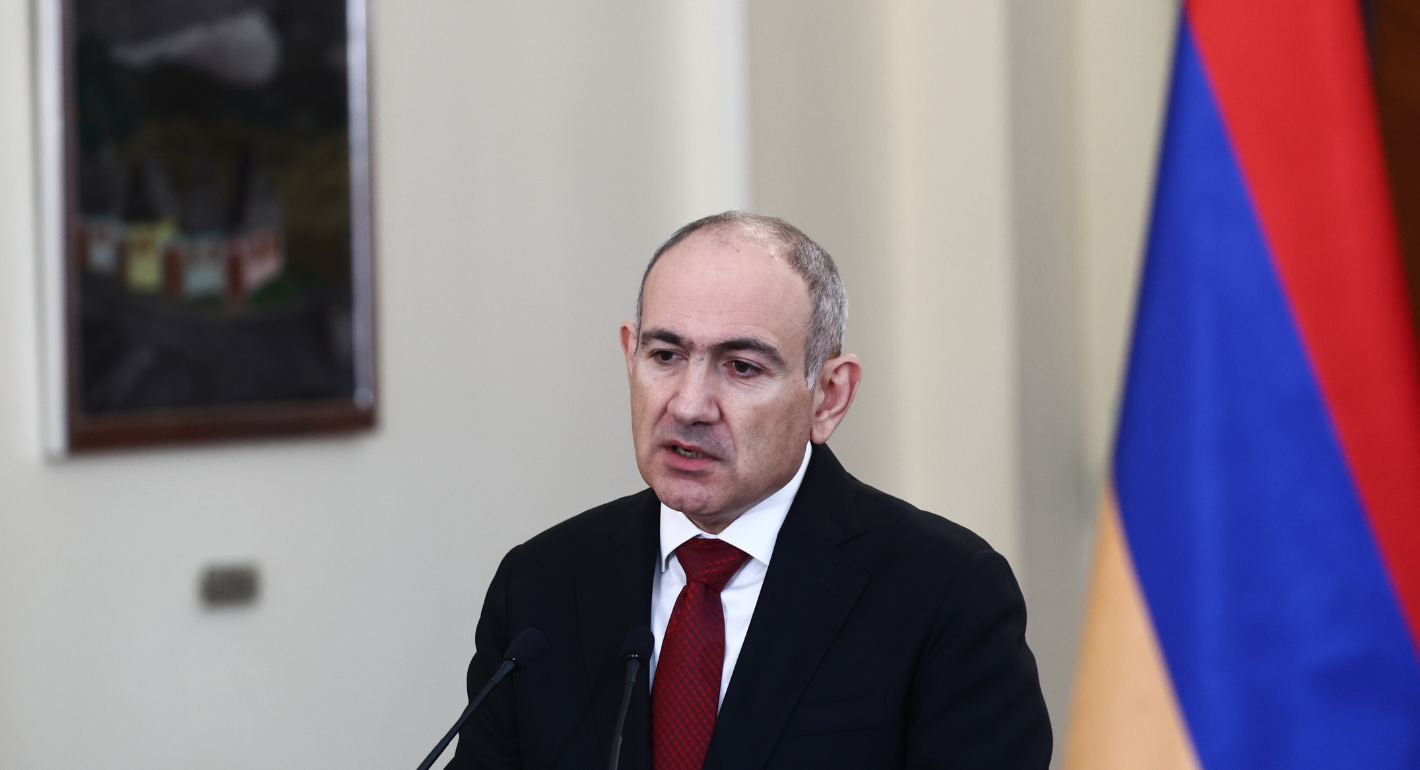
Europe has an interest in supporting Armenian leader Nikol Pashinyan as he tries to make peace with neighbors and loosen ties with Russia. But it is depersonalized support in the long term, not quickfire flash, that will win the day.
Thomas de Waal
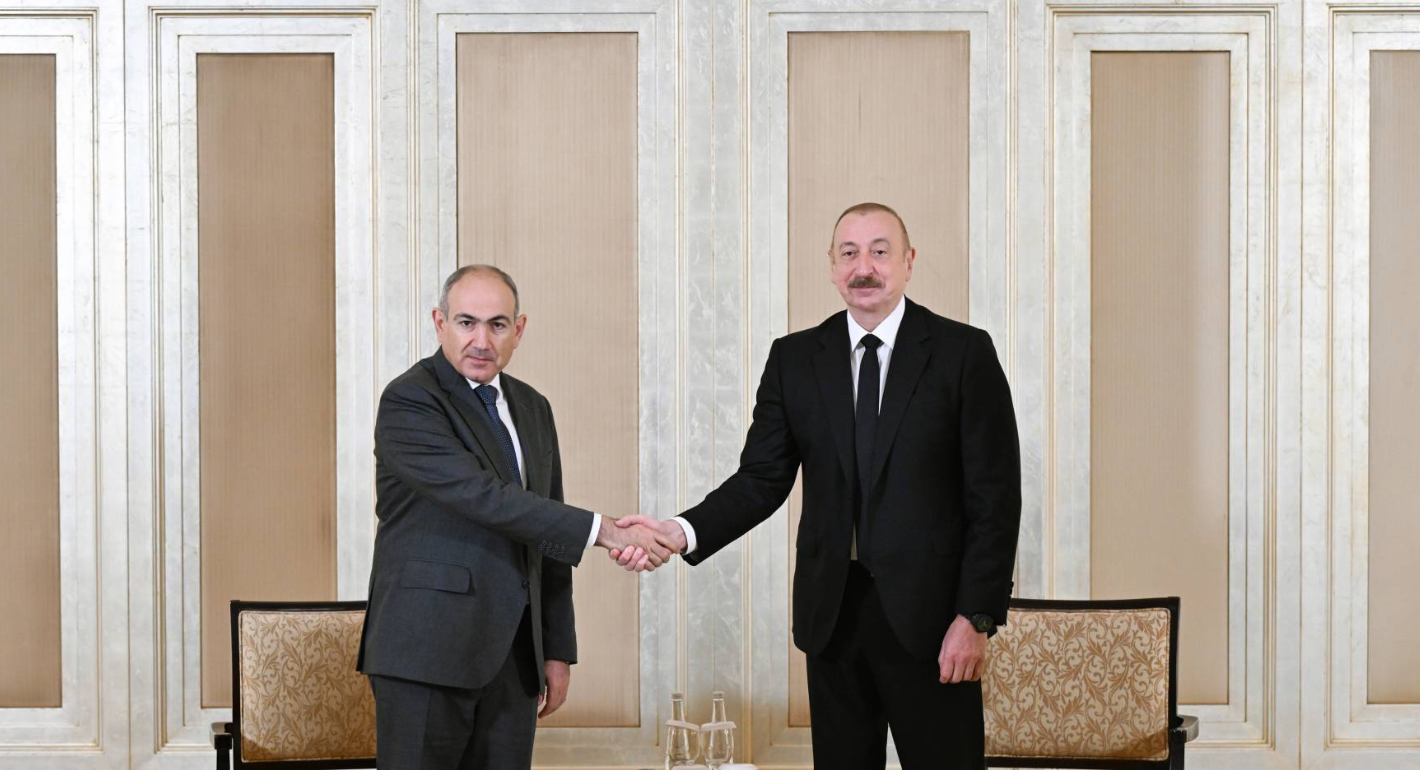
The U.S.-sponsored TRIPP deal is driving the Armenia-Azerbaijan peace process forward. But foreign and domestic hurdles remain before connectivity and economic interdependence can open up the South Caucasus.
Thomas de Waal, Areg Kochinyan, Zaur Shiriyev