

Commentary
Evan A. Feigenbaum
{
  "authors": [
    "Evan A. Feigenbaum"
  ],
  "type": "other",
  "centerAffiliationAll": "dc",
  "centers": [
    "Carnegie Endowment for International Peace"
  ],
  "collections": [],
  "englishNewsletterAll": "asia",
  "nonEnglishNewsletterAll": "",
  "primaryCenter": "Carnegie Endowment for International Peace",
  "programAffiliation": "AP",
  "programs": [
    "Asia"
  ],
  "projects": [],
  "regions": [
    "South Asia",
    "East Asia",
    "Southeast Asia"
  ],
  "topics": []
}
Source: Getty
While Asia is being reborn and remade, the United States is badly prepared for this momentous rebirth, making it less relevant in each of Asia's constituent parts.
Source: Washington Quarterly

Today, after a 300-year hiatus, Asia is being reconnected at last. Chinese traders are again hawking their wares in Kyrgyz bazaars. Straits bankers are financing deals in India, with Singapore having become the second-largest source of India’s incoming foreign direct investment over the last decade (behind only Mauritius, which retains first place because of tax avoidance incentives). China lies at the core of industrial supply and production chains that stretch across Southeast Asia. And Chinese workers are building ports and infrastructure from Bangladesh to Pakistan to Sri Lanka. The governments of Turkmenistan and Uzbekistan have sold electricity southward, reconnecting their power grids to Afghanistan, while Kyrgyzstan and Tajikistan have signed an intergovernmental memorandum to sell electricity to Afghanistan and Pakistan. Chinese, Japanese, and Korean money is flowing across Asia.

Vice President for Studies
Evan A. Feigenbaum is vice president for studies at the Carnegie Endowment for International Peace, where he oversees work at its offices in Washington, New Delhi, and Singapore on a dynamic region encompassing both East Asia and South Asia. He served twice as Deputy Assistant Secretary of State and advised two Secretaries of State and a former Treasury Secretary on Asia.
Recent Work
Evan A. Feigenbaum
Evan A. Feigenbaum
Carnegie does not take institutional positions on public policy issues; the views represented herein are those of the author(s) and do not necessarily reflect the views of Carnegie, its staff, or its trustees.
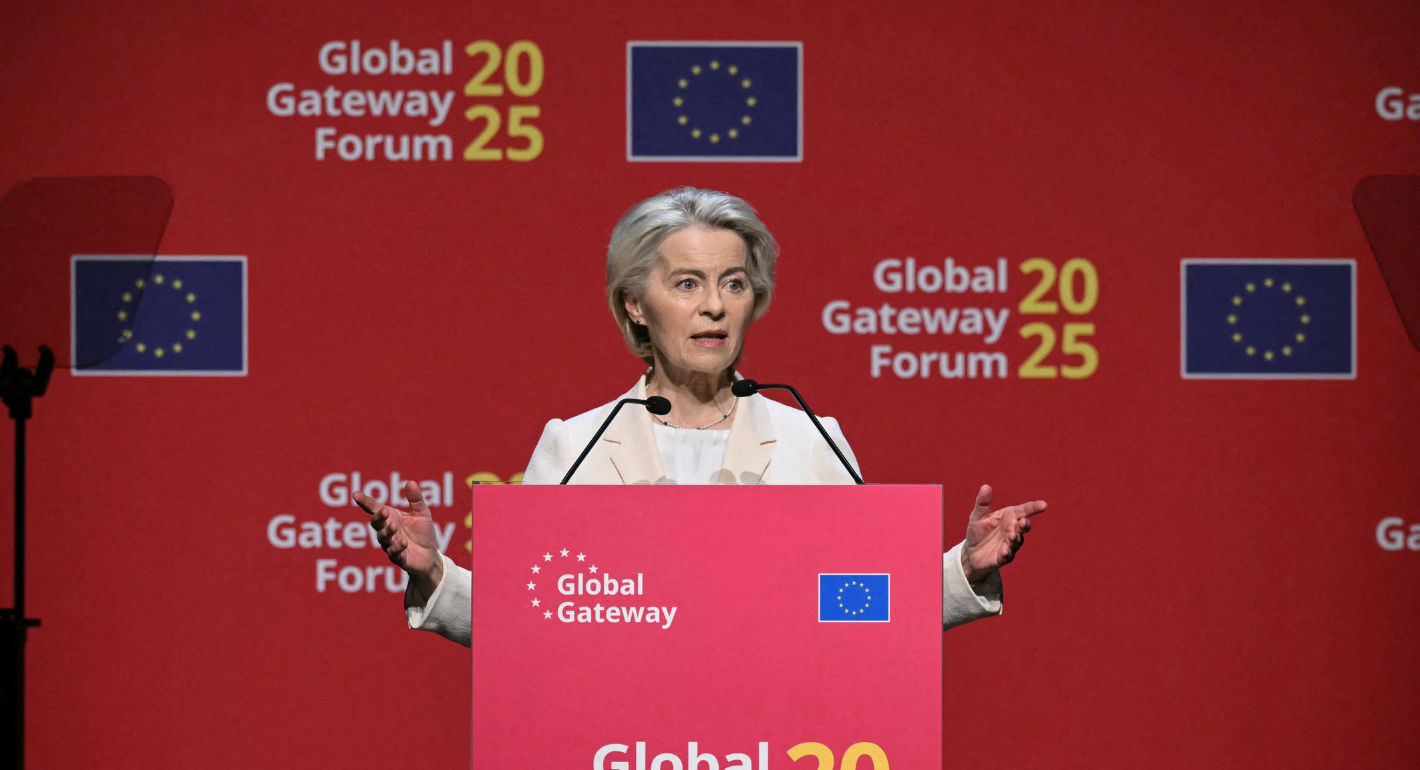
In competition with China’s Belt and Road Initiative, the Global Gateway strategy needs to find an edge. To better promote its interests through investment, the EU’s offer must become more coherent, transparent, and accountable.


Ceren Ergenc, Chaofan Yu
The EU and ASEAN have diverging priorities in climate, security, technology, trade, and democracy. Stronger cooperation in these fields would enable the two blocs to tackle shared challenges and pursue common interests.

Lizza Bomassi
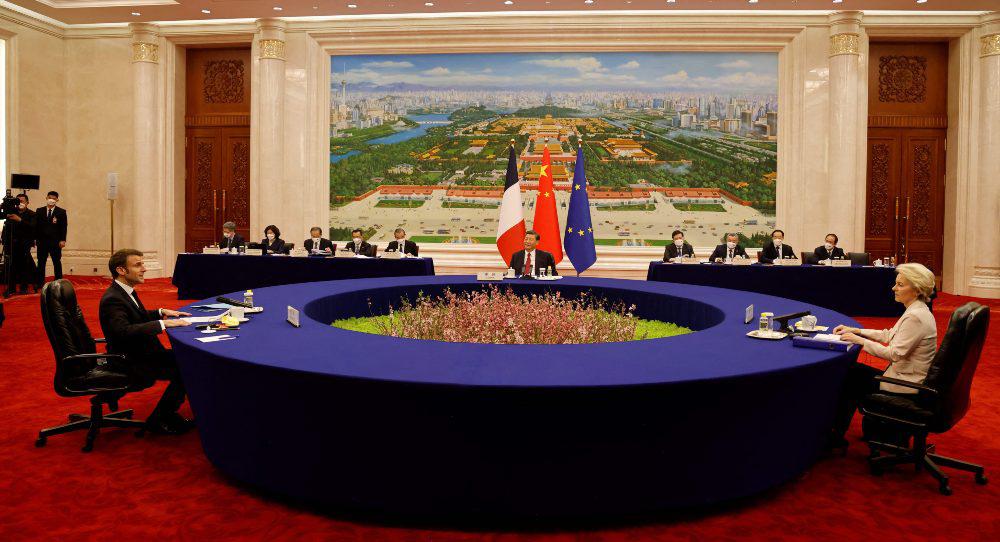
EU member states’ policies toward China have been hardening, but different national interests prevent a joint, coherent approach to Beijing. It may take a conflict over Taiwan to unify Europe.

Judy Dempsey
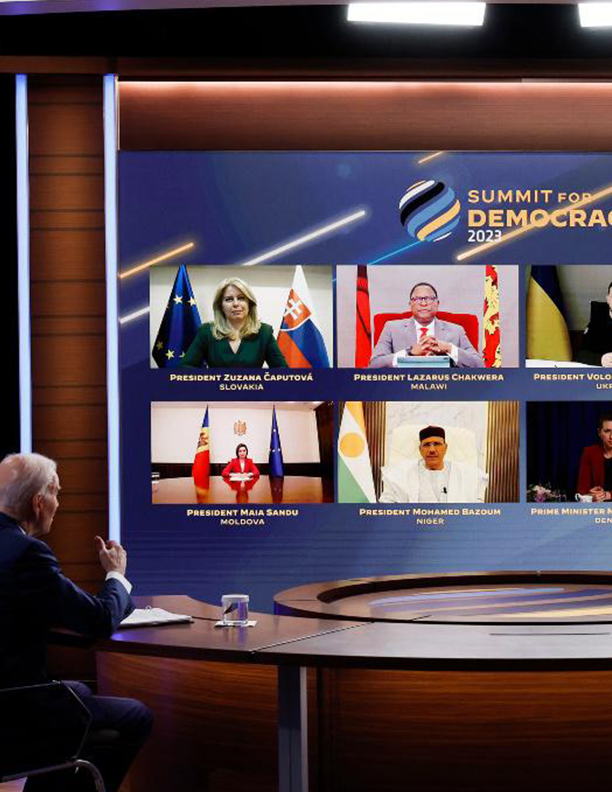
Leaders agreed that the Summit for Democracy process will continue to improve coordination among democracies. If the EU is to prove its credibility and effectiveness, concrete actions are needed in the months ahead.



Richard Youngs, Ken Godfrey, Thomas Carothers, …
Europe is waking up to the malevolent influence of the Chinese regime. European leaders need a common political and economic strategy to manage China’s irreversible rise.
Judy Dempsey