

Commentary
Olga Shumylo-Tapiola
{
  "authors": [
    "Olga Shumylo-Tapiola"
  ],
  "type": "other",
  "centerAffiliationAll": "",
  "centers": [
    "Carnegie Endowment for International Peace",
    "Carnegie Europe",
    "Carnegie Russia Eurasia Center"
  ],
  "collections": [
    "Europe’s Eastern Neighborhood"
  ],
  "englishNewsletterAll": "",
  "nonEnglishNewsletterAll": "",
  "primaryCenter": "Carnegie Europe",
  "programAffiliation": "",
  "programs": [],
  "projects": [],
  "regions": [
    "Europe",
    "Eastern Europe"
  ],
  "topics": []
}
Source: Getty
The state of governance in Ukraine today is the subject of widespread debate, with Ukrainian and international observers citing evidence of democratic backsliding under Ukrainian President Viktor Yanukovych.
Source: Peterson Institute
The state of governance in Ukraine today is the subject of widespread debate. Ukrainian and international observers have cited corruption, flaws in the October 2010 local elections, inappropriate actions by the Security Service of Ukraine, and prosecution of opposition political figures as evidence of democratic backsliding under Ukrainian President Viktor Yanukovych. The president and his government deny these charges, contending that centralizing some authority is required to bring about order, govern effectively, and implement difficult and overdue economic reforms. What is happening with the state of governance in Ukraine? How is it affecting the Ukrainian economy and Ukraine's foreign relations, particularly with Europe and the United States? And how should the West engage the Yanukovych government and Ukrainian civil society to protect democratic and market-oriented progress?
The Peterson Institute for International Economics, the Center on the United States and Europe at Brookings, and the Atlantic Council cohosted a conference to address these and related questions. Panels with leading American and European experts examined "The Challenges of Governance in Ukraine" and "The Impact on the Economy and Foreign Policy." Carnegie’s Olga Shumylo Tapiola participated in the panel focusing on the challenges of governance in Ukraine. She was joined by Andriy Fialko, Foreign Policy Advisor to the President of Ukraine, James Sherr of the Royal Institute for International Affairs, Damon Wilson of the Atlantic Council and Jorge Zukoski of American Chamber of Commerce in Ukraine.

Former Nonresident Associate, Carnegie Europe
Shumylo-Tapiola is a nonresident associate at Carnegie Europe in Brussels, where her research focused on Eastern Europe and Eurasia.
Recent Work
Olga Shumylo-Tapiola
Olga Shumylo-Tapiola
Carnegie does not take institutional positions on public policy issues; the views represented herein are those of the author(s) and do not necessarily reflect the views of Carnegie, its staff, or its trustees.

As the nuclear order rapidly evolves, what can Europeans and other key players do to strengthen deterrence and reduce risks?

Jamie Kwong, ed.
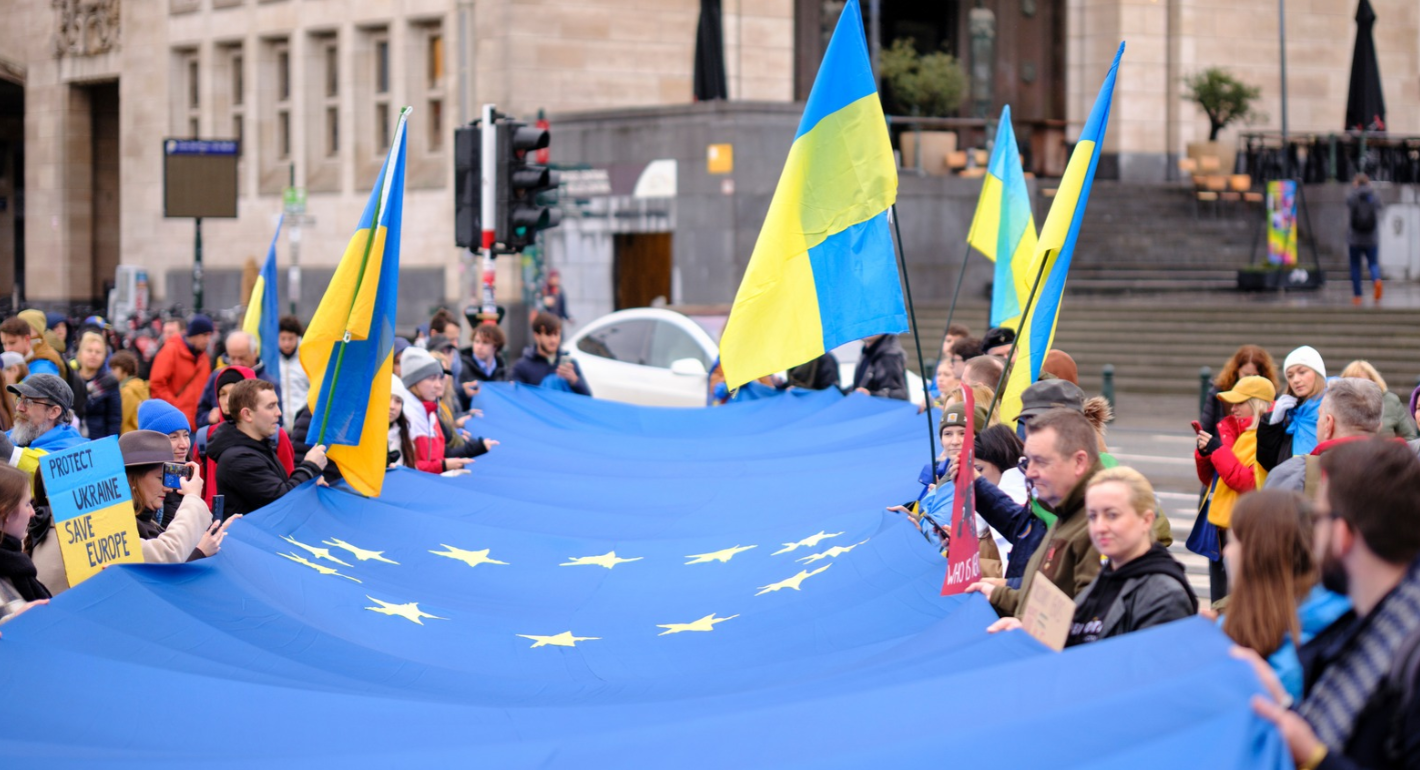
A sizeable funding shortfall looks increasingly likely to hit Ukraine in 2027. Can the Europeans, with their strained budgets and economies, come up with the cash without seizing frozen Russian assets?

Rym Momtaz, ed.
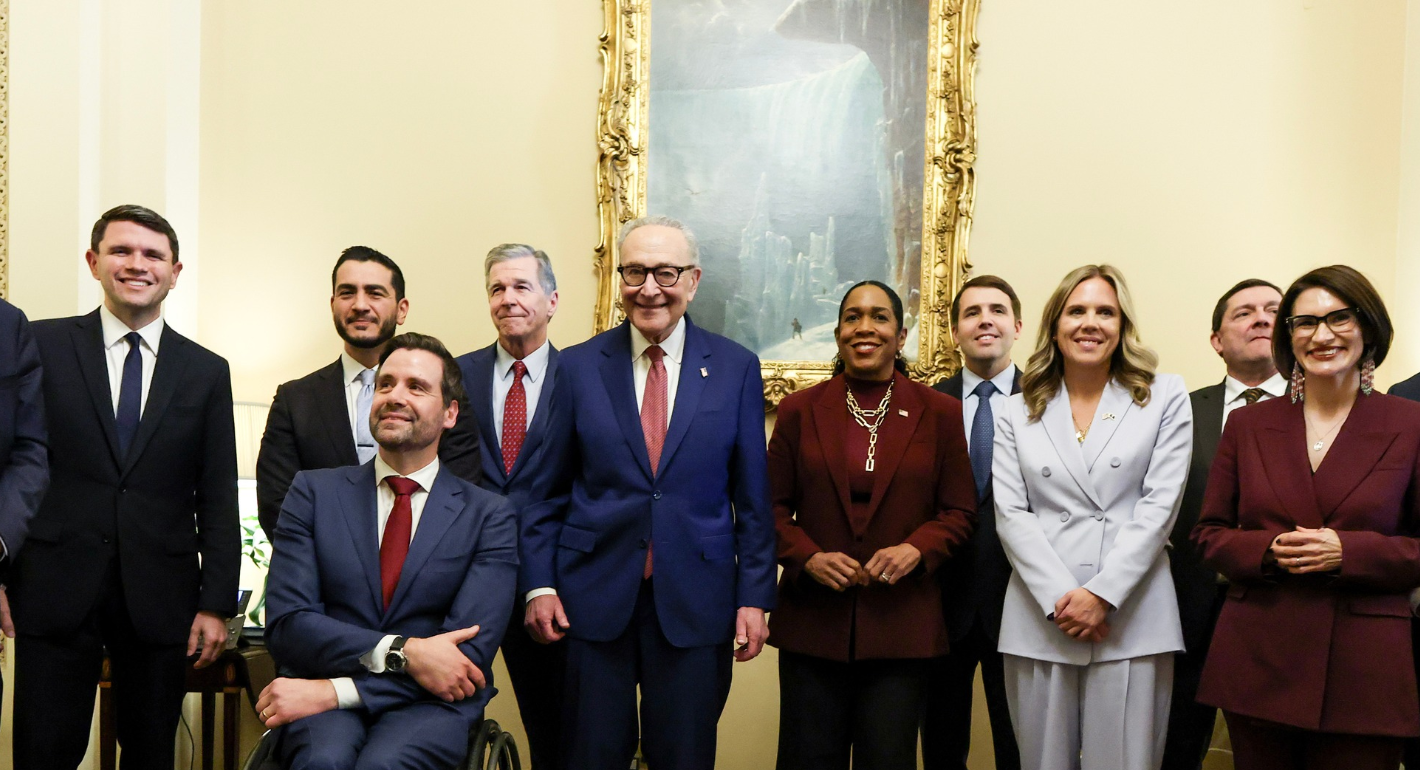
A blue wave has swept over the U.S. midterms, with Democrats regaining control of both houses of Congress. But Europeans hoping for a return to business as usual should think again.
Rym Momtaz
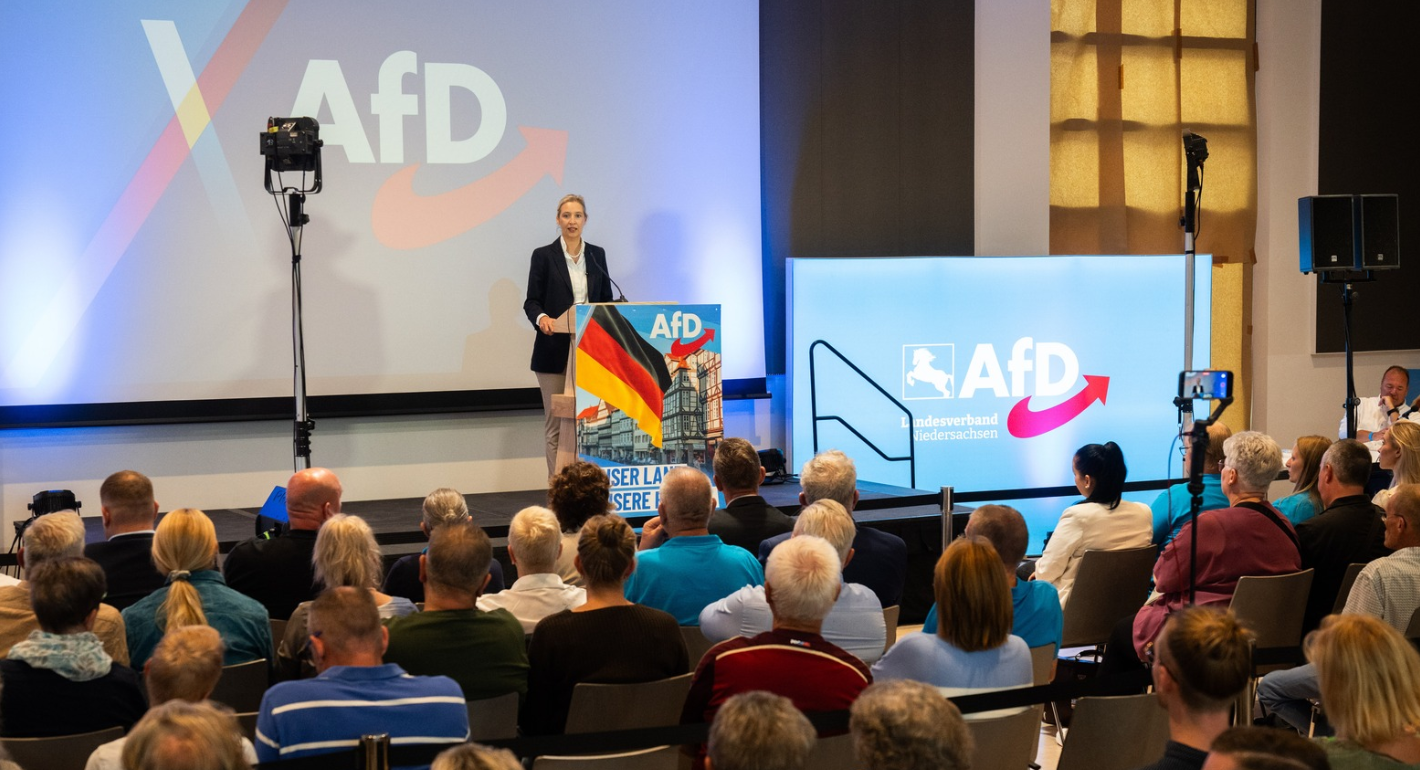
In Germany, competing perceptions of Russia are highlighting a tension between public opinion and government policy. In the country’s east, where division is widespread, populist parties are taking advantage.

Gwendolyn Sasse
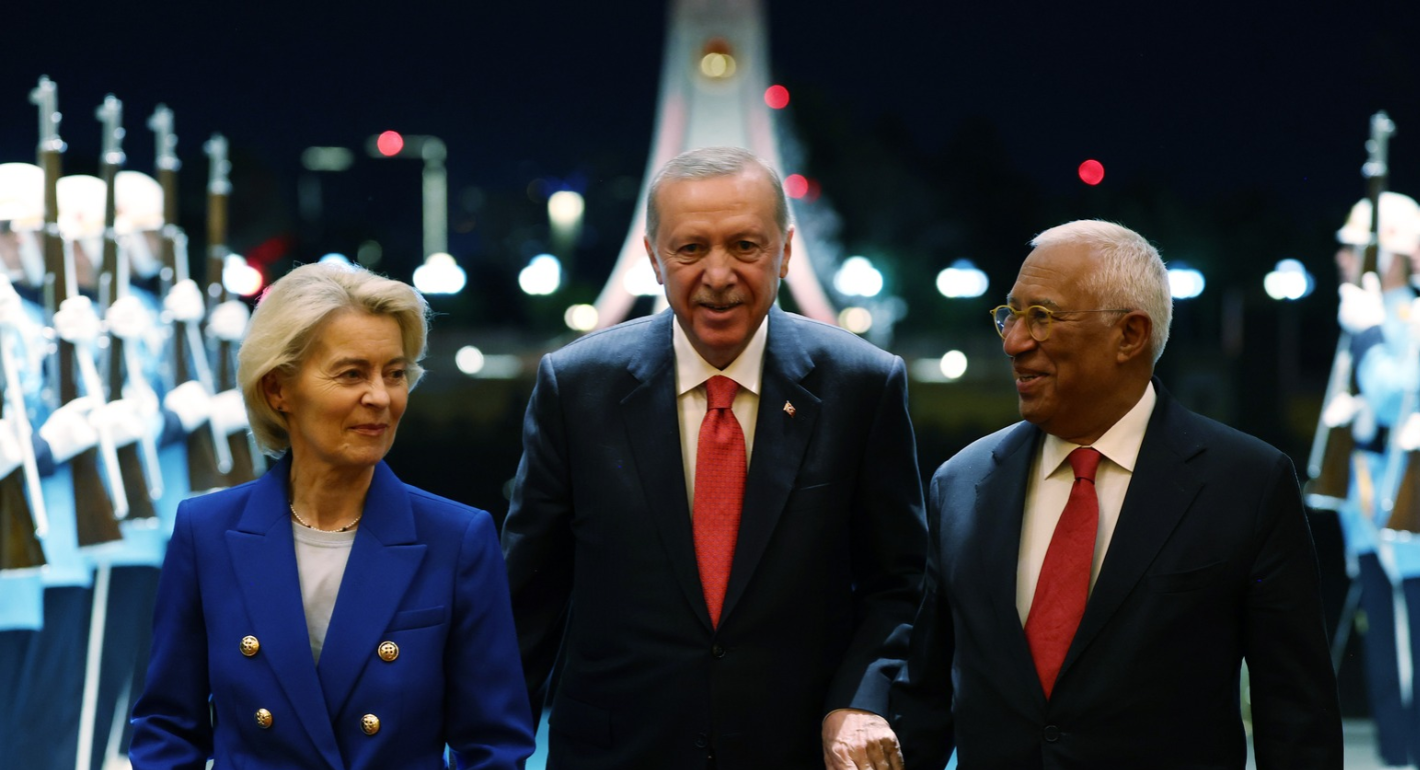
Between stalled economic ties and a push for greater security cooperation, EU-Turkey relations remain uncertain. Ankara’s continued slide toward autocracy is the likeliest common denominator in these competing dynamics.

Marc Pierini