

Commentary
Alexey Malashenko
{
  "authors": [
    "Alexey Malashenko"
  ],
  "type": "other",
  "centerAffiliationAll": "",
  "centers": [
    "Carnegie Endowment for International Peace",
    "Carnegie Europe",
    "Carnegie Russia Eurasia Center"
  ],
  "collections": [],
  "englishNewsletterAll": "",
  "nonEnglishNewsletterAll": "",
  "primaryCenter": "Carnegie Russia Eurasia Center",
  "programAffiliation": "",
  "programs": [],
  "projects": [
    "Eurasia in Transition"
  ],
  "regions": [
    "Asia"
  ],
  "topics": []
}
Source: Getty
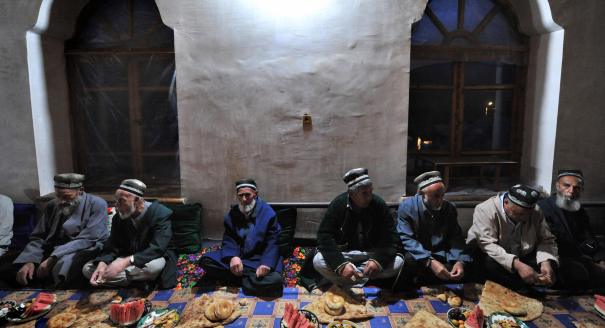
Tajikistan is among the most problematic countries in Central Asia. The country faces a number of challenges, including an economic crisis, regionalism, domestic political confrontation, and radical Islam.
In terms of internal and external security, Tajikistan has been among the most problematic countries in Central Asia. It is the only state in the region to have gone through a protracted civil war (1992-1997), which, according to various estimates, killed between 23,500 and 100,000 people (perhaps even more) and left the economy in ruins. The causes of this war were rooted not only in political confrontation, but also in confrontation between different regions, clans, and personalities, as well as confrontation within Islam between those who sought to build a secular state and those who wanted an Islamic state.
In his new Briefing, Alexey Malashenko writes about the current situation in Tajikistan and the country’s possible developments.
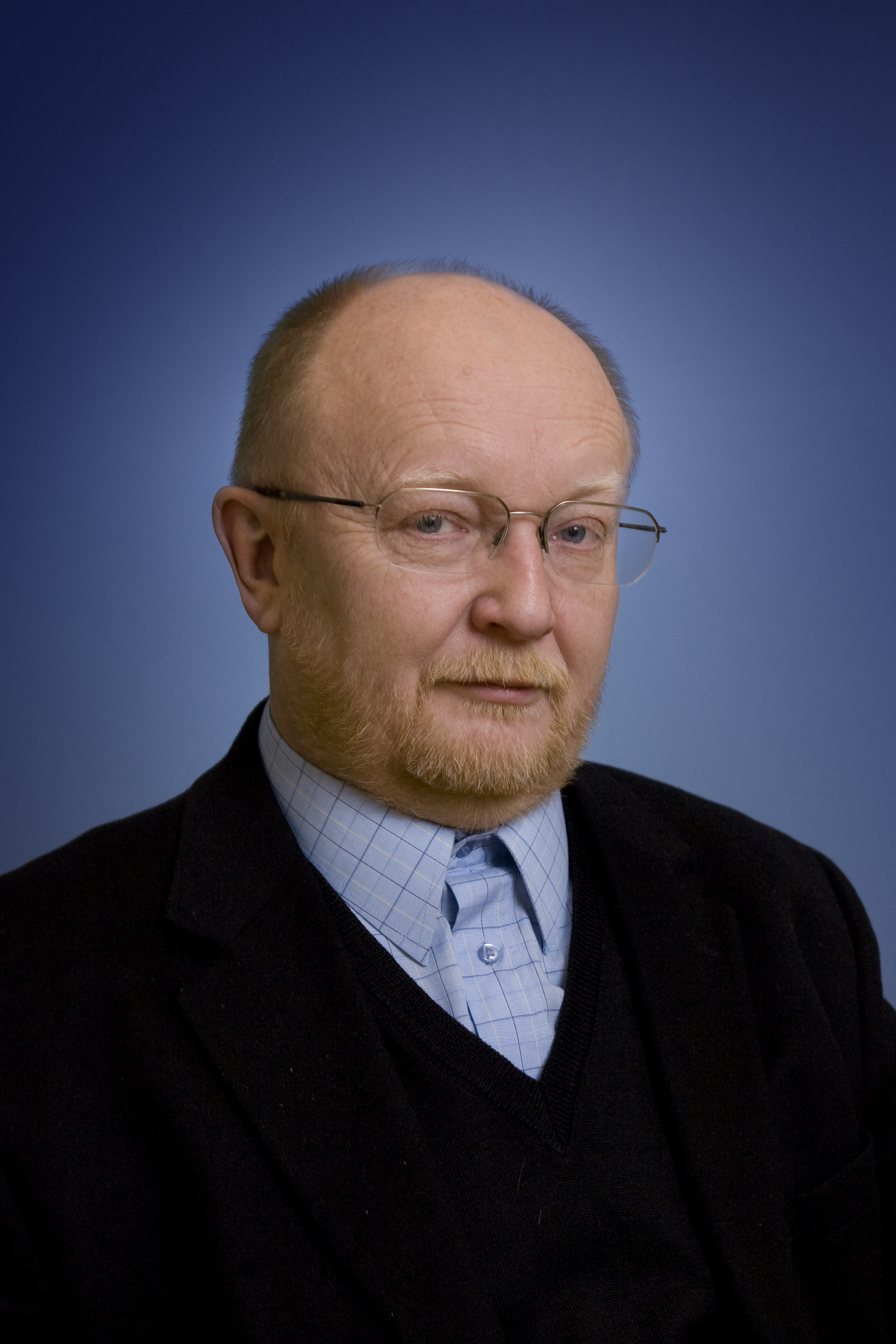
Former Scholar in Residence, Religion, Society, and Security Program
Malashenko is a former chair of the Carnegie Moscow Center’s Religion, Society, and Security Program.
Recent Work
Alexey Malashenko
Alexey Malashenko
Carnegie does not take institutional positions on public policy issues; the views represented herein are those of the author(s) and do not necessarily reflect the views of Carnegie, its staff, or its trustees.
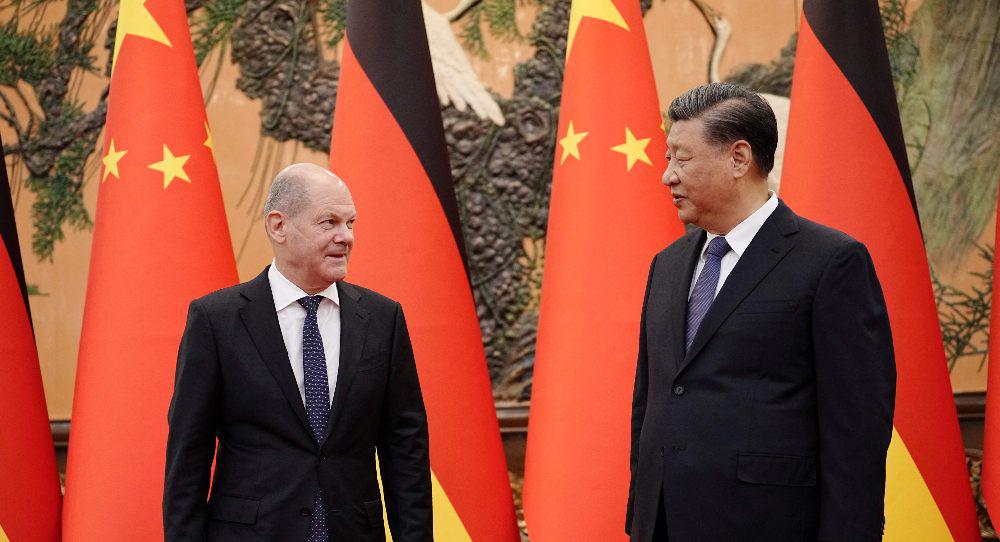
Germany could shape the outcomes of the wars in Ukraine and Gaza. Its reluctance to do so reveals a leadership unwilling to match its economic strength with political influence.

Judy Dempsey
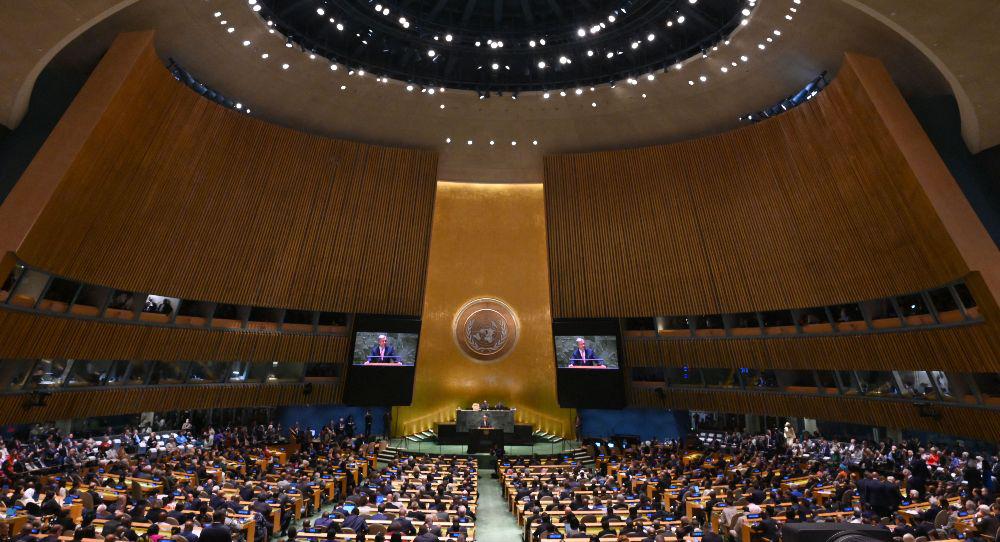
The UN, particularly its Security Council, is in desperate need of reform. The organization has to become more efficient and less political to tackle the multitude of crises it faces.
Judy Dempsey
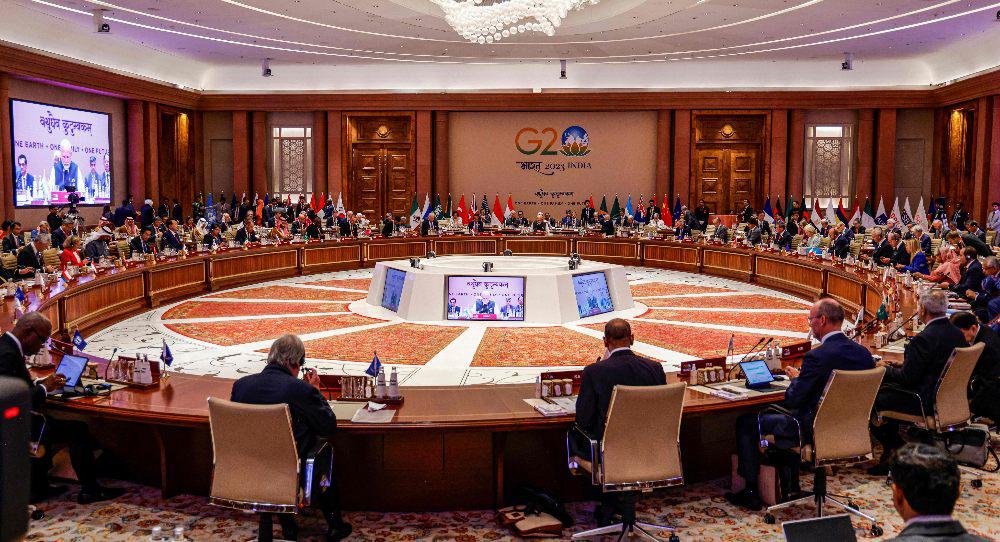
By refusing to openly condemn Russia’s invasion of Ukraine, G20 leaders exposed the divisions in and limits of multilateral institutions. Russia and China are the beneficiaries.
Judy Dempsey
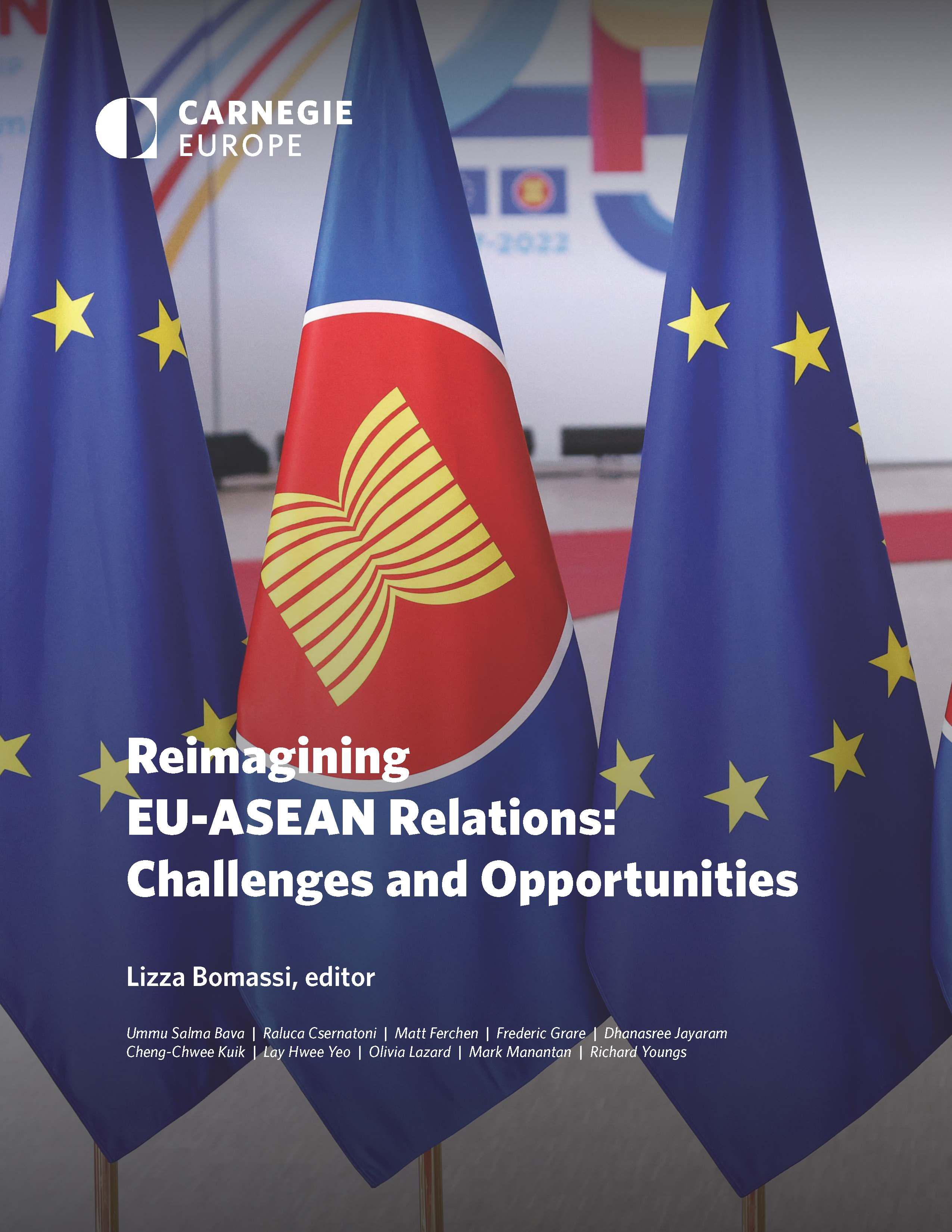
The EU and ASEAN have diverging priorities in climate, security, technology, trade, and democracy. Stronger cooperation in these fields would enable the two blocs to tackle shared challenges and pursue common interests.
Lizza Bomassi
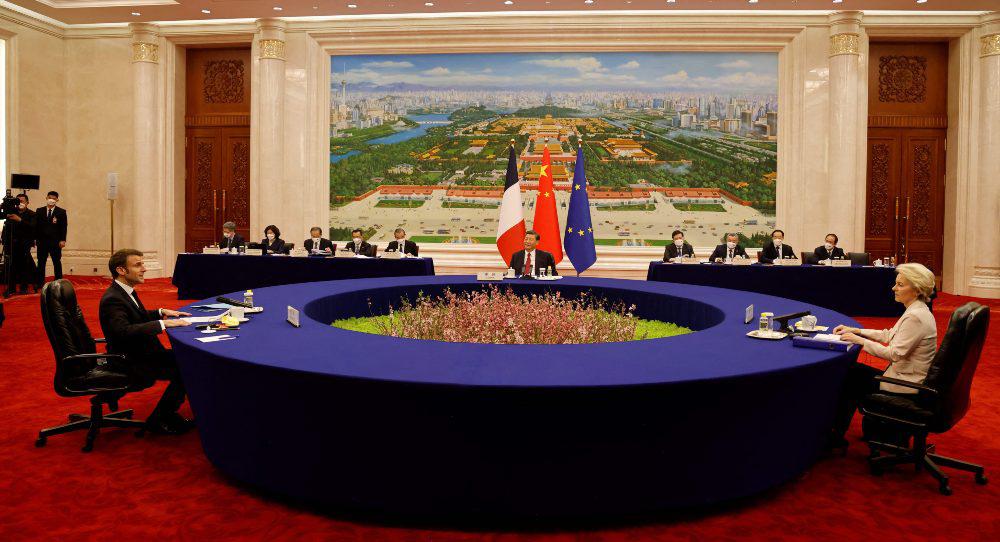
EU member states’ policies toward China have been hardening, but different national interests prevent a joint, coherent approach to Beijing. It may take a conflict over Taiwan to unify Europe.
Judy Dempsey