

Commentary
Nathan J. Brown
{
  "authors": [
    "Nathan J. Brown"
  ],
  "type": "legacyinthemedia",
  "centerAffiliationAll": "dc",
  "centers": [
    "Carnegie Endowment for International Peace"
  ],
  "collections": [
    "Arab Awakening"
  ],
  "englishNewsletterAll": "menaTransitions",
  "nonEnglishNewsletterAll": "",
  "primaryCenter": "Carnegie Endowment for International Peace",
  "programAffiliation": "MEP",
  "programs": [
    "Middle East"
  ],
  "projects": [],
  "regions": [
    "North Africa",
    "Egypt"
  ],
  "topics": [
    "Political Reform",
    "Democracy"
  ]
}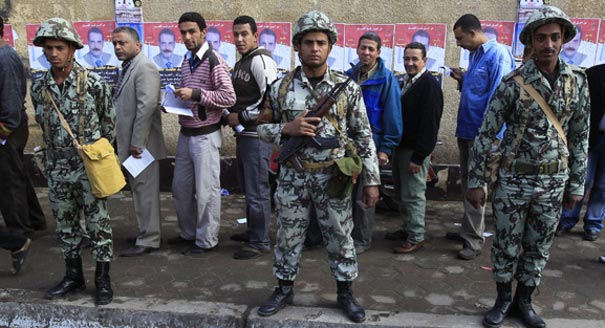
Source: Getty
The recently revised Constitutional Declaration, written by the military, outlines the powers of the Egyptian presidency in a way that gives ultimate authority to the Supreme Council of the Armed Forces.
Source: Arabist

Two more detailed notes I would add that may otherwise be missed:
The Brotherhood’s argument is that the 1987 and 1990 dissolution came only after a popular referendum approved them, and that based on that precedent, a referendum is required now. I do not find that argument convincing because the previous referenda were based on a provision in the 1971 constitution permitting the president to dissolve parliament if that dissolution was approved in a referendum. When the 1987 and 1990 decisions came, the Court apparently advised the president that it was up to him as the executive authority to dissolve the parliament but that his authority to do so could be exercised only with the approval of a referendum (Lord only knows what would happen if the referendum had been rejected, but such things did not happen in those days).
Tariq al-Bishri’s argument is that the constitutional declaration does not give the SCAF any authority to dissolve the parliament and that therefore the correct way to enforce an SCC judgment (since the SCC only rules on the law) is to go to the administrative courts. This argument seems to be legally stronger but politically totally without legs.
There is a weird precedent here–in 1925 after the king dissolved the parliament immediately after it sat, the parliamentary majority, led by the Wafd argued (probably correctly) that the dissolution was unconstitutional. So they met in a hotel after the Parliament was sealed off. I don’t expect that precedent to govern the outcome now, but we might see Sa’d al-Katatni positioning himself as Sa’d Zaghlul.
So in the end, I think that Egypt will follow Hobbes’s maxim “in matter of government, when nothing else is turned up, clubs are trumps.” Those clubs, according to al-Ahram, have already been deployed. “Security” personnel have taken over the parliament and discovered–brace yourselves–that FJP deputies were doing things like preparing a budget different from that of the Ganzuri government.. And they were even talking about what positions people should have after the presidential elections. What clearer evidence could there be of a nefarious attempt to have elected officials govern the country?

Nonresident Senior Fellow, Middle East Program
Nathan J. Brown, a professor of political science and international affairs at George Washington University, is a distinguished scholar and author of nine books on Arab politics and governance, as well as editor of five books.
Recent Work
Nathan J. Brown
Nathan J. Brown
Carnegie does not take institutional positions on public policy issues; the views represented herein are those of the author(s) and do not necessarily reflect the views of Carnegie, its staff, or its trustees.
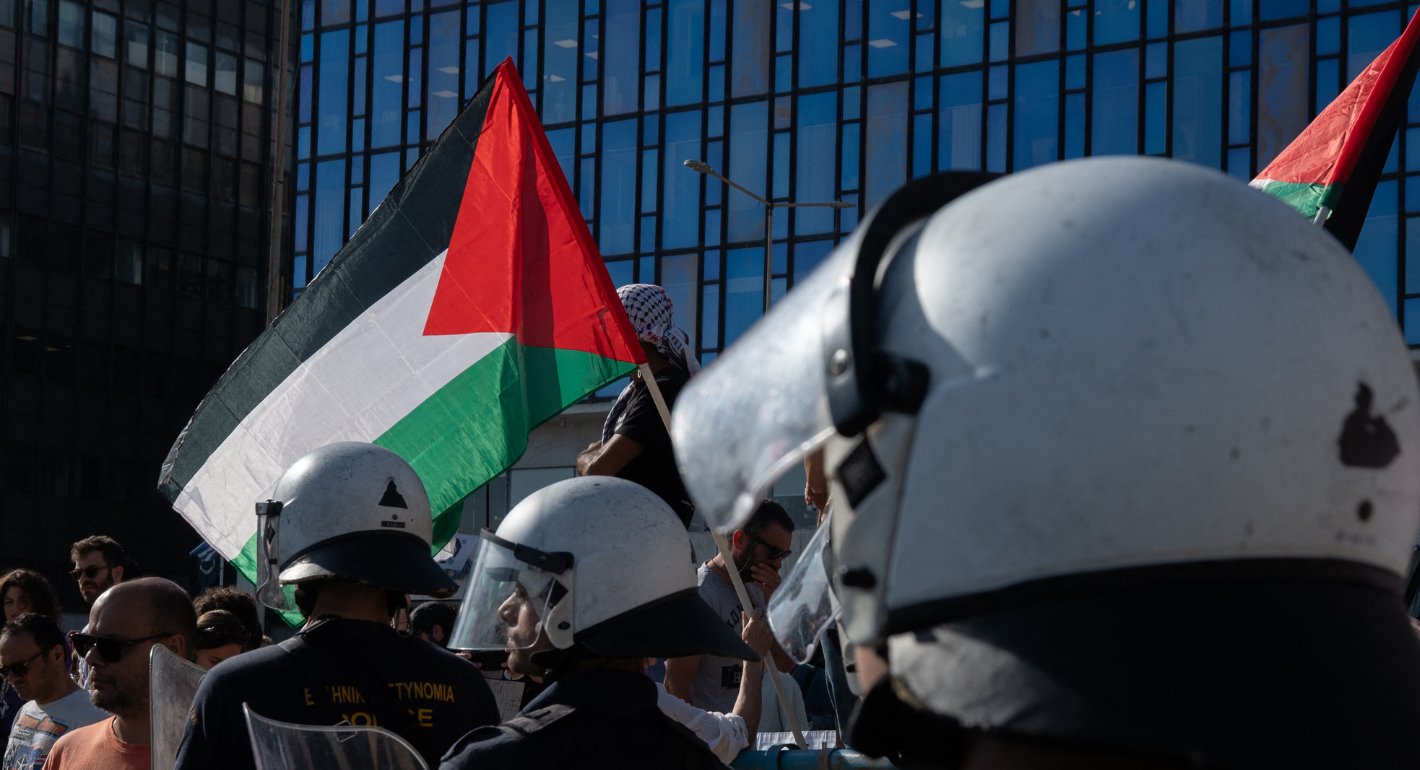
The battle over free speech has taken center stage since U.S. Vice President JD Vance accused Europe of censorship. From travel bans to social media regulation, especially around the Israel-Palestine conflict, are liberal democratic governments weaponizing free speech?

Rym Momtaz, ed.

Preparing candidate countries for EU membership is no longer enough. As the enlargement process becomes a reality, the union must also prepare its own societies.

Iliriana Gjoni

Five countries staged the biggest political boycott in Eurovision history over Israel’s participation. With the FIFA World Cup and other sporting or cultural touchstones on the horizon, are boycotts effective?
Rym Momtaz, ed.
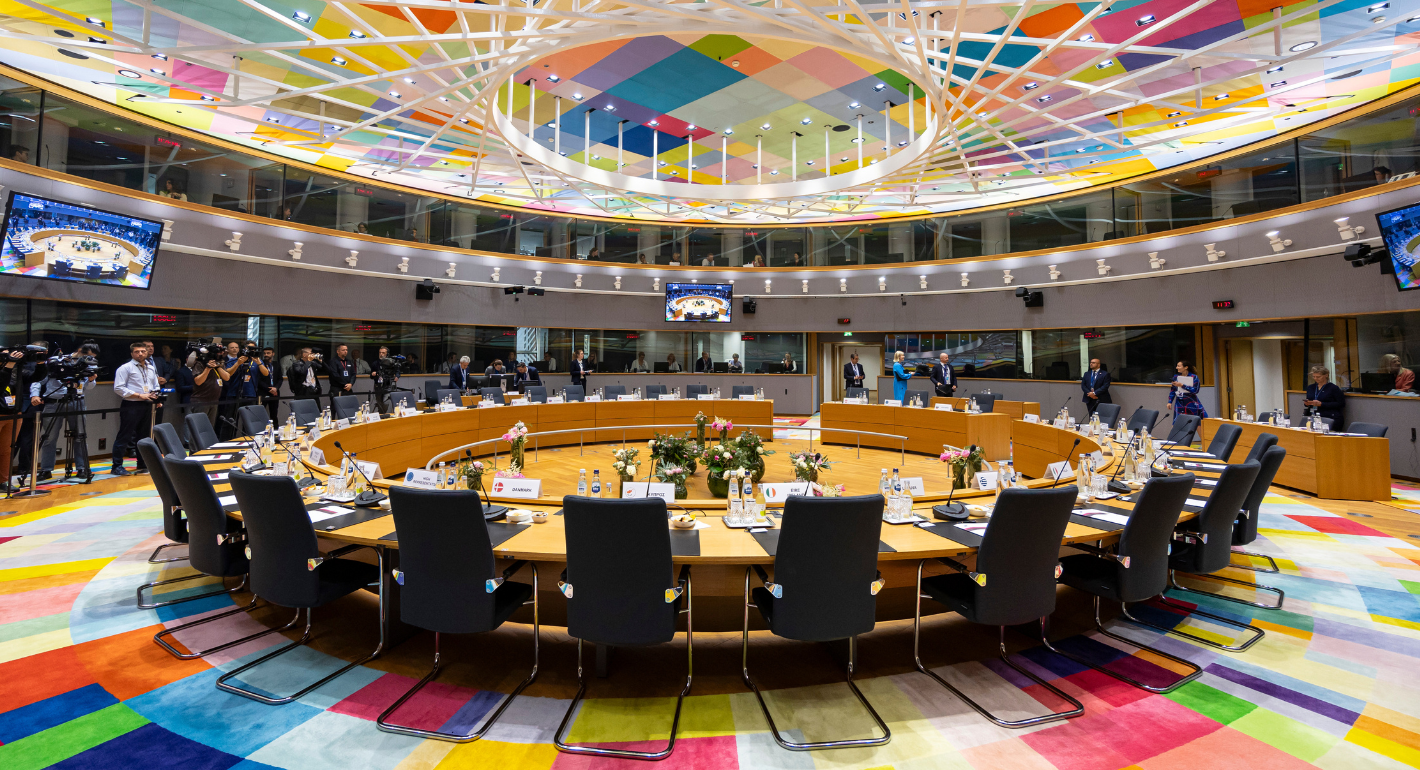
Countries face several hurdles in joining the EU, including the final stage of ratifying their accession treaties. Procedural reforms and substantive adjustments could help move the process forward.

Stefan Lehne
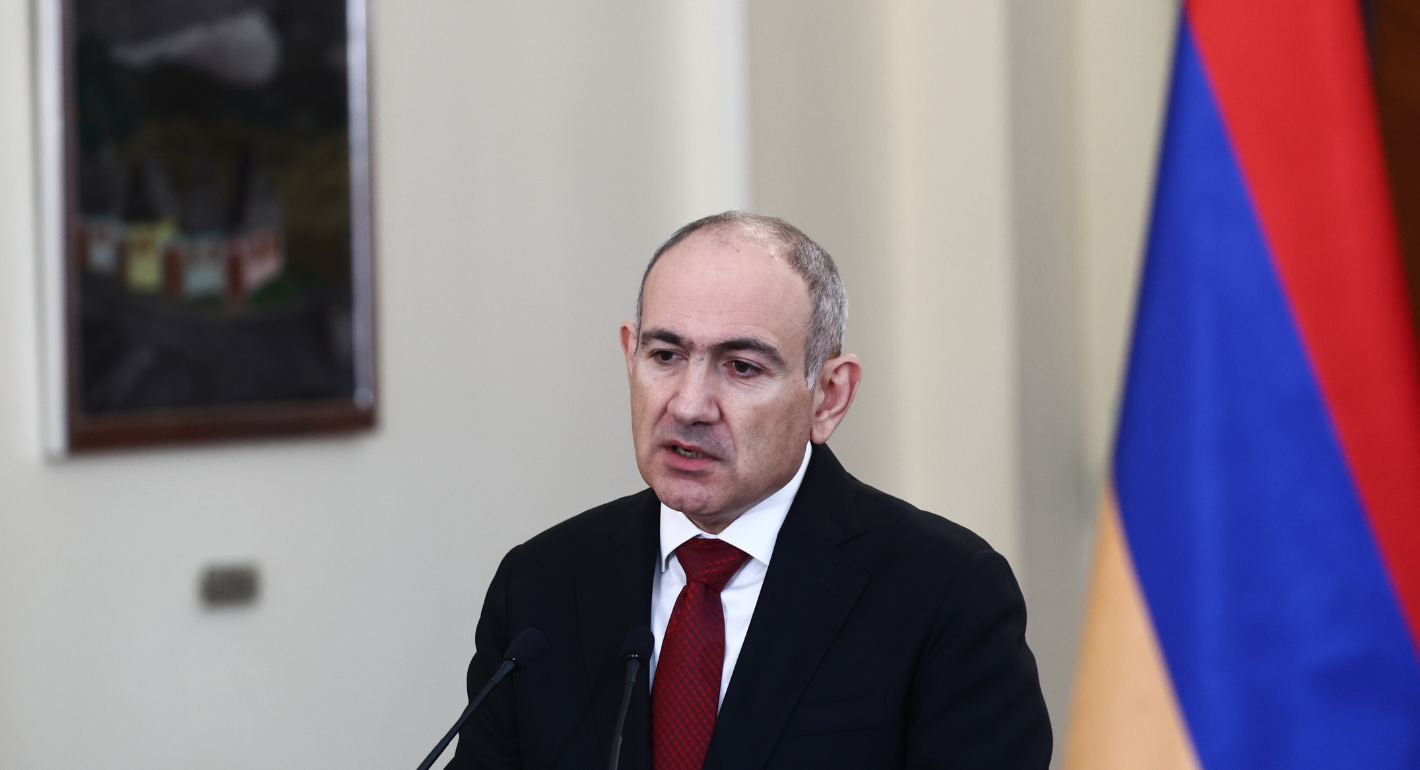
Europe has an interest in supporting Armenian leader Nikol Pashinyan as he tries to make peace with neighbors and loosen ties with Russia. But it is depersonalized support in the long term, not quickfire flash, that will win the day.

Thomas de Waal