• Research
  • Strategic Europe
  • About
  • Experts
Carnegie Europe logoCarnegie lettermark logo
EUUkraine
  • Donate
{
  "authors": [
    "Matthew Rojansky"
  ],
  "type": "legacyinthemedia",
  "centerAffiliationAll": "dc",
  "centers": [
    "Carnegie Endowment for International Peace"
  ],
  "collections": [],
  "englishNewsletterAll": "ctw",
  "nonEnglishNewsletterAll": "",
  "primaryCenter": "Carnegie Endowment for International Peace",
  "programAffiliation": "russia",
  "programs": [
    "Russia and Eurasia"
  ],
  "projects": [],
  "regions": [
    "Middle East",
    "Syria",
    "Caucasus",
    "Russia"
  ],
  "topics": [
    "Political Reform",
    "Foreign Policy"
  ]
}
Source: Getty

In The Media

Opposition Rally in Moscow Draws Tens of Thousands

The recent public protests in Moscow differ from those in December and March because so far, they seem centered in Moscow, while the previous protests were widespread throughout the country.

Link Copied
By Matthew Rojansky
Published on Jun 14, 2012

Source: CTV

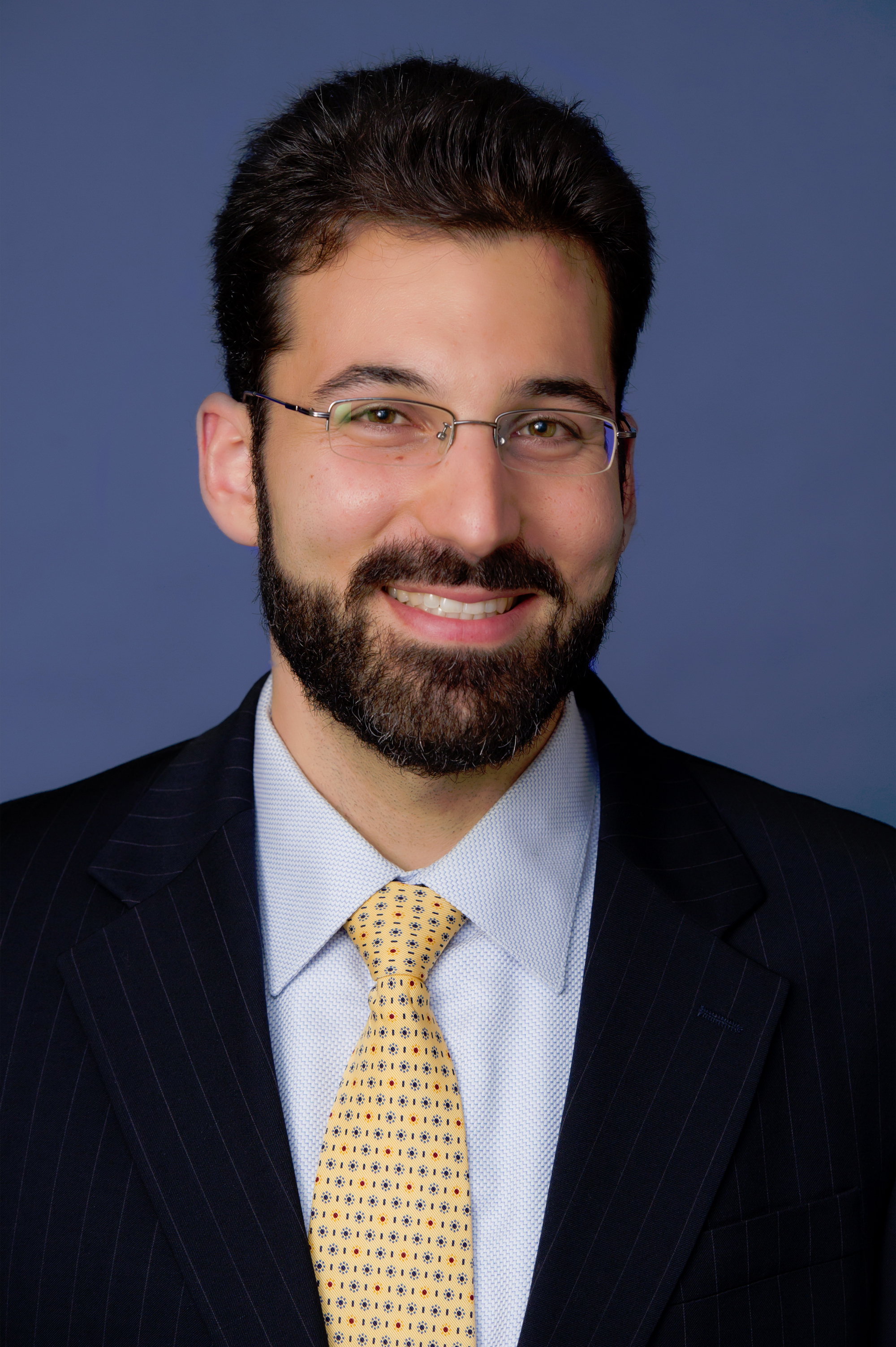
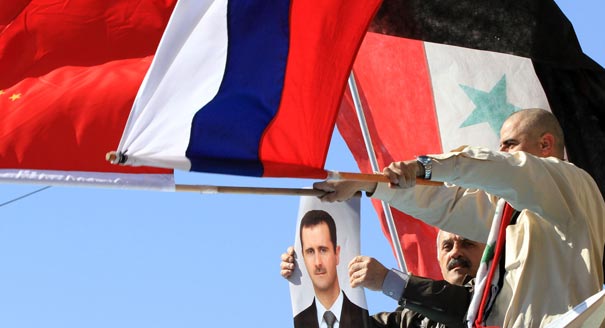
Speaking on CTV, Carnegie’s Matthew Rojansky discussed the Russia-Syria relationship and the domestic situation in Russia.

  • Russian Domestic Protests: Evaluating the recent large protest in Moscow during the national holiday, Rojansky said that unlike the protests in the December and March, which were widespread throughout the country, the current movement is centered in Moscow. “The negative there is that it is isolated, and that it doesn’t speak for the country as a whole,” he said. “The positive for the protesters is that they are in the media spotlight.” He concluded, “The fact that there has not been violence is good for protesters but it is also good for Putin. At a certain point, violence is going to tarnish Putin’s image and reputation and will bring more people out on the streets.”
     
  • Russia’s Relationship with Syria: Recently, U.S. Secretary of State Hillary Clinton suggested that Moscow might be sending attack helicopters to Syria. Rojansky commented on the possibility, saying “if it is true, that is a big if, and if this is an immediate delivery of attack helicopters, then that would be a real departure from Russia’s commitment to Syria.” He added, “it could be because simply one hand doesn’t know what the other hand is doing-that is, sometimes the Russian defense export industry is following through deals they think of as long-term arrangements irrespective of what the state of political play is.” He suggested that there is a third possible interpretation. “Another reason could be that the Russians are playing both sides of the game. We heard a couple of weeks ago that the Russians were prepared to talk about a post-Assad scenario, but obviously if they are supplying Assad with weapons he can use to effectively obliterate the rebels from the air, they are definitely playing for both sides,” he said.

This broadcast originally appeared in CTV.

About the Author

Matthew Rojansky

Former Deputy Director, Russia and Eurasia Program

Rojansky, formerly executive director of the Partnership for a Secure America, is an expert on U.S. and Russian national security and nuclear-weapon policies.

    Recent Work

  • Paper
    An Opportunity for Ambition: Ukraine’s OSCE Chairmanship

      Matthew Rojansky

  • In The Media
    Presiding Over the OSCE: Challenges and Opportunities

      Matthew Rojansky

Matthew Rojansky
Former Deputy Director, Russia and Eurasia Program
Matthew Rojansky
Political ReformForeign PolicyMiddle EastSyriaCaucasusRussia

Carnegie does not take institutional positions on public policy issues; the views represented herein are those of the author(s) and do not necessarily reflect the views of Carnegie, its staff, or its trustees.

More Work from Carnegie Europe

  • Commentary
    Strategic Europe
    Europe and the Arab Gulf Must Come Together

    The war in Iran proves the United States is now a destabilizing actor for Europe and the Arab Gulf. From protect their economies and energy supplies to safeguarding their territorial integrity, both regions have much to gain from forming a new kind of partnership together.

      • Rym Momtaz

      Rym Momtaz

  • Commentary
    Strategic Europe
    Taking the Pulse: Is France’s New Nuclear Doctrine Ambitious Enough?

    French President Emmanuel Macron has unveiled his country’s new nuclear doctrine. Are the changes he has made enough to reassure France’s European partners in the current geopolitical context?

      • Rym Momtaz

      Rym Momtaz, ed.

  • Commentary
    The Iran War’s Dangerous Fallout for Europe

    The drone strike on the British air base in Akrotiri brings Europe’s proximity to the conflict in Iran into sharp relief. In the fog of war, old tensions in the Eastern Mediterranean risk being reignited, and regional stakeholders must avoid escalation.

      Marc Pierini

  • Commentary
    Strategic Europe
    The EU Needs a Third Way in Iran

    European reactions to the war in Iran have lost sight of wider political dynamics. The EU must position itself for the next phase of the crisis without giving up on its principles.

      Richard Youngs

  • Trump United Nations multilateralism institutions 2236462680
    Article
    Resetting Cyber Relations with the United States

    For years, the United States anchored global cyber diplomacy. As Washington rethinks its leadership role, the launch of the UN’s Cyber Global Mechanism may test how allies adjust their engagement.

      • Christopher Painter

      Patryk Pawlak, Chris Painter

Get more news and analysis from
Carnegie Europe
Carnegie Europe logo, white
Rue du Congrès, 151000 Brussels, Belgium
  • Research
  • Strategic Europe
  • About
  • Experts
  • Projects
  • Events
  • Contact
  • Careers
  • Privacy
  • For Media
  • Gender Equality Plan
Get more news and analysis from
Carnegie Europe
© 2026 Carnegie Endowment for International Peace. All rights reserved.