• Research
  • Strategic Europe
  • About
  • Experts
Carnegie Europe logoCarnegie lettermark logo
EUUkraine
  • Donate
{
  "authors": [
    "Frederic Wehrey"
  ],
  "type": "legacyinthemedia",
  "centerAffiliationAll": "dc",
  "centers": [
    "Carnegie Endowment for International Peace"
  ],
  "collections": [
    "Arab Awakening"
  ],
  "englishNewsletterAll": "menaTransitions",
  "nonEnglishNewsletterAll": "",
  "primaryCenter": "Carnegie Endowment for International Peace",
  "programAffiliation": "MEP",
  "programs": [
    "Middle East"
  ],
  "projects": [],
  "regions": [
    "Middle East",
    "Syria"
  ],
  "topics": [
    "Political Reform",
    "Security",
    "Foreign Policy"
  ]
}

Source: Getty

In The Media

Western Powers Ponder Options to Stop Syrian Violence

A no-fly zone in Syria could risk formalizing the fragmentation and divisions in the country.

Link Copied
By Frederic Wehrey
Published on Jun 14, 2012

Source: CTV

With the violence in Syria continuing to spiral to dangerous levels, calls for a no-fly zone, as was imposed over Libya, have become increasingly conspicuous. Appearing on CTV, Carnegie's Frederic Wehrey noted that from a technical military perspective, there are few parallels between Libya and Syria. “The landscape of the conflict is different, there are no defined frontlines, no liberated territories and the Syrian forces are much better equipped and have better armor than the Libyan army,” said Wehrey. Implementing a no-fly zone in Syria would not only be extremely difficult, but could expand into something else, perhaps even requiring ground forces, Wehrey added. He suggested that the Obama administration is very wary of this, particularly during an election year, and is looking to avoid any sort of nation-building project at all costs. “A no-fly zone could create a Yugoslavia type situation in Syria by formalizing the fragmentation and divisions in the country,” concluded Wehrey.

About the Author

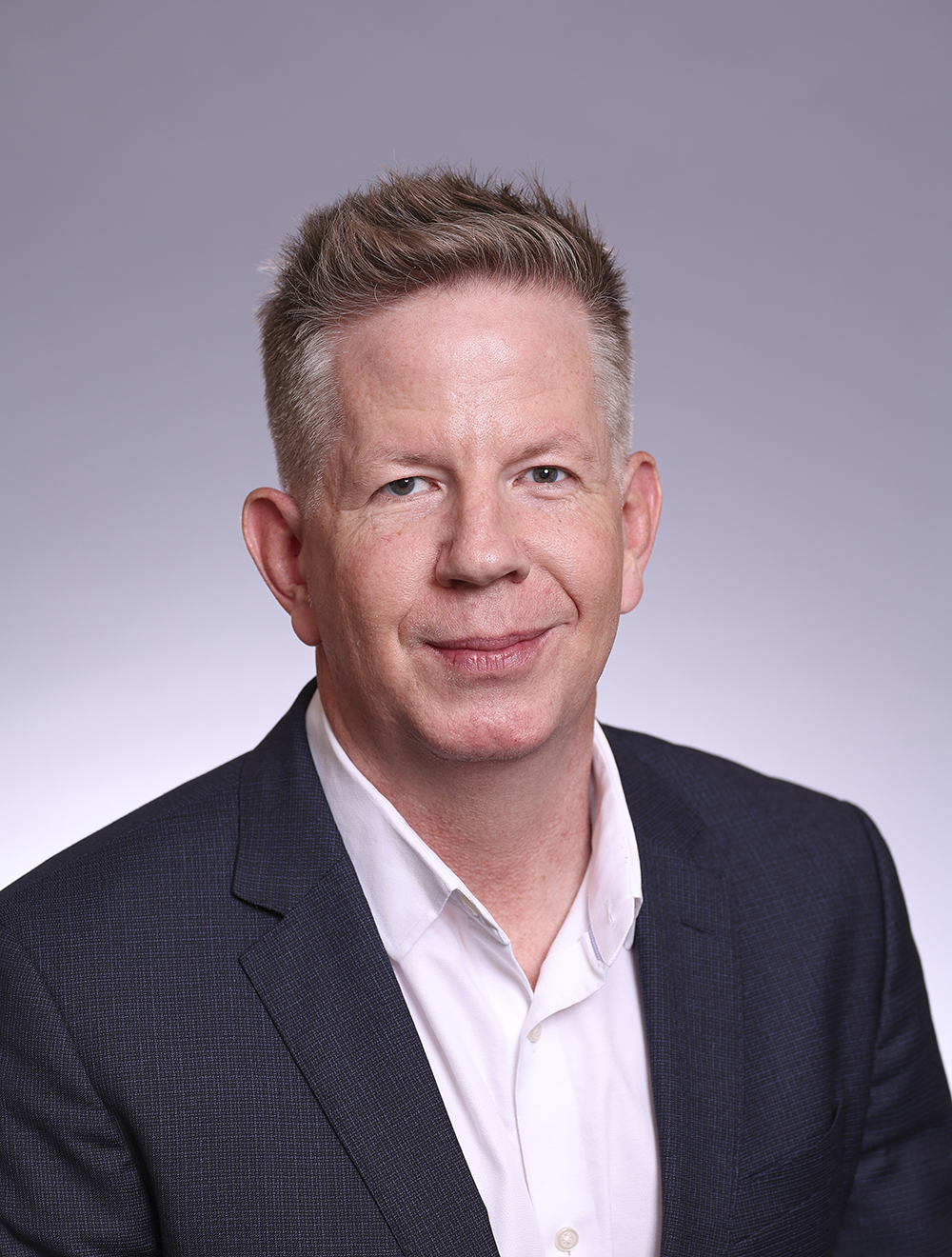
Frederic Wehrey

Senior Fellow, Middle East Program

Frederic Wehrey is a senior fellow in the Middle East Program at the Carnegie Endowment for International Peace, where his research focuses on governance, conflict, and security in Libya, North Africa, and the Persian Gulf.

    Recent Work

  • Research
    Russia in Africa: Examining Moscow’s Influence and Its Limits
      • Nate Reynolds
      • +11

      Frances Z. Brown, Nate Reynolds, Priyal Singh, …

  • Commentary
    How the Flaws of Trump’s Gaza Deal Prevent an Enduring Peace

      Charles H. Johnson, Frederic Wehrey

Frederic Wehrey
Senior Fellow, Middle East Program
Frederic Wehrey
Political ReformSecurityForeign PolicyMiddle EastSyria

Carnegie does not take institutional positions on public policy issues; the views represented herein are those of the author(s) and do not necessarily reflect the views of Carnegie, its staff, or its trustees.

More Work from Carnegie Europe

  • Commentary
    Strategic Europe
    Taking the Pulse: Is France’s New Nuclear Doctrine Ambitious Enough?

    French President Emmanuel Macron has unveiled his country’s new nuclear doctrine. Are the changes he has made enough to reassure France’s European partners in the current geopolitical context?

      • Rym Momtaz

      Rym Momtaz, ed.

  • Commentary
    The Iran War’s Dangerous Fallout for Europe

    The drone strike on the British air base in Akrotiri brings Europe’s proximity to the conflict in Iran into sharp relief. In the fog of war, old tensions in the Eastern Mediterranean risk being reignited, and regional stakeholders must avoid escalation.

      Marc Pierini

  • Commentary
    Strategic Europe
    The EU Needs a Third Way in Iran

    European reactions to the war in Iran have lost sight of wider political dynamics. The EU must position itself for the next phase of the crisis without giving up on its principles.

      Richard Youngs

  • Trump United Nations multilateralism institutions 2236462680
    Article
    Resetting Cyber Relations with the United States

    For years, the United States anchored global cyber diplomacy. As Washington rethinks its leadership role, the launch of the UN’s Cyber Global Mechanism may test how allies adjust their engagement.

      • Christopher Painter

      Patryk Pawlak, Chris Painter

  • Commentary
    Strategic Europe
    Global Instability Makes Europe More Attractive, Not Less

    Europe isn’t as weak in the new geopolitics of power as many would believe. But to leverage its assets and claim a sphere of influence, Brussels must stop undercutting itself.

      Dimitar Bechev

Get more news and analysis from
Carnegie Europe
Carnegie Europe logo, white
Rue du Congrès, 151000 Brussels, Belgium
  • Research
  • Strategic Europe
  • About
  • Experts
  • Projects
  • Events
  • Contact
  • Careers
  • Privacy
  • For Media
  • Gender Equality Plan
Get more news and analysis from
Carnegie Europe
© 2026 Carnegie Endowment for International Peace. All rights reserved.