
France has stopped clinging to notions of being a great power and is embracing the middle power moment. But Emmanuel Macron has his work cut out if he is to secure his country’s global standing before his term in office ends.
Rym Momtaz
{
"authors": [
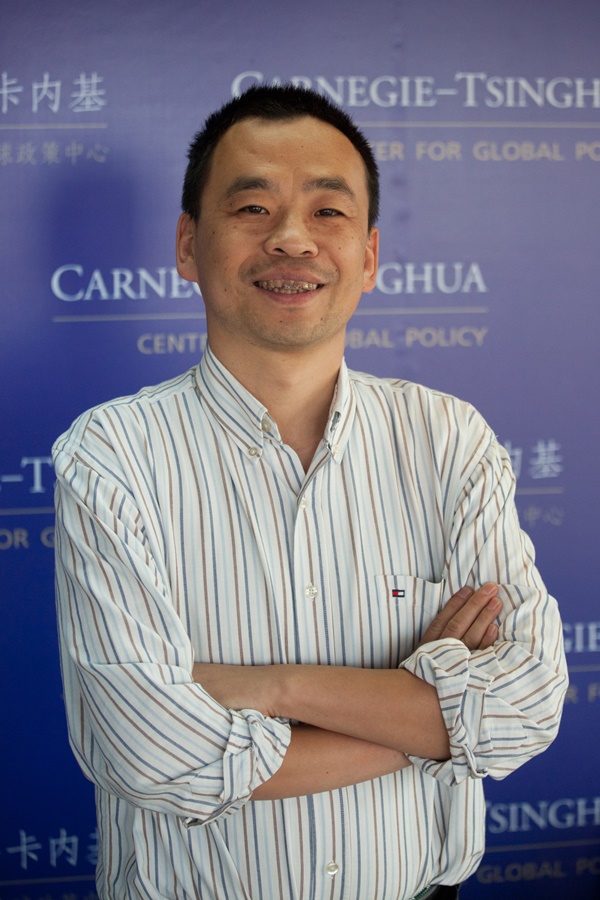
"Sun Xuefeng"
],
"type": "other",
"centerAffiliationAll": "",
"centers": [
"Carnegie Endowment for International Peace",
"Carnegie China"
],
"collections": [
"China’s Foreign Relations"
],
"englishNewsletterAll": "",
"nonEnglishNewsletterAll": "",
"primaryCenter": "Carnegie China",
"programAffiliation": "",
"programs": [],
"projects": [
"Window Into China"
],
"regions": [],
"topics": [
"Security",
"Economy"
]
}Source: Getty
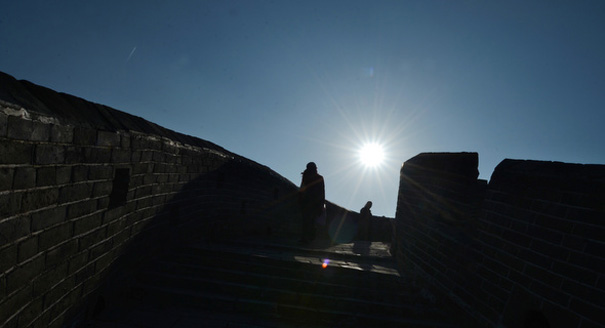
China is a rising power that must define its identity as a global player and balance its domestic needs against those of an increasingly multipolar world.
Source: Real Instituto Elcano

Why are there such contrasting perceptions on China’s rise between the Chinese and the rest of the world? What dilemmas is China beginning to face in the context of these different perceptions about its rise? What ways out of these dilemmas has China been seeking? This essay will explore these thought-provoking questions and present an academic analysis on China’s strategic thinking about its rising dilemmas. It presents three arguments: (1) for most Chinese officials, scholars and the public, China is a multi-faceted rising power; (2) a rising China faces two daunting dilemmas –the dilemma of rising powers and an identity dilemma–; and (3) China has adopted a strategic approach to its rising dilemmas, characterised by patience, reassurance and coherence.
This article was published as part of the Window into China series
France has stopped clinging to notions of being a great power and is embracing the middle power moment. But Emmanuel Macron has his work cut out if he is to secure his country’s global standing before his term in office ends.
Rym Momtaz
Despite offering security benefits to candidates and the EU alike, the enlargement agenda appears stalled. Why is progress not being made, and is it time for Europe to rethink its approach?
Sylvie Goulard, Gerald Knaus
Integrating AI into the workplace will increase job insecurity, fundamentally reshaping labor markets. To anticipate and manage this transition, the EU must build public trust, provide training infrastructures, and establish social protections.
Amanda Coakley
EU member states clash over how to boost the union’s competitiveness: Some want to favor European industries in public procurement, while others worry this could deter foreign investment. So, can the EU simultaneously attract global capital and reduce dependencies?
Rym Momtaz, ed.
Leaning into a multispeed Europe that includes the UK is the way Europeans don’t get relegated to suffering what they must, while the mighty United States and China do what they want.
Rym Momtaz