

Q&A
Suzanne Maloney, Aaron David Miller, Karim Sadjadpour
{
  "authors": [
    "Karim Sadjadpour"
  ],
  "type": "legacyinthemedia",
  "centerAffiliationAll": "dc",
  "centers": [
    "Carnegie Endowment for International Peace",
    "Malcolm H. Kerr Carnegie Middle East Center"
  ],
  "collections": [
    "Arab Awakening"
  ],
  "englishNewsletterAll": "menaTransitions",
  "nonEnglishNewsletterAll": "",
  "primaryCenter": "Carnegie Endowment for International Peace",
  "programAffiliation": "MEP",
  "programs": [
    "Middle East"
  ],
  "projects": [],
  "regions": [
    "Middle East",
    "Iran",
    "Syria",
    "Levant"
  ],
  "topics": [
    "Political Reform"
  ]
}
Source: Getty
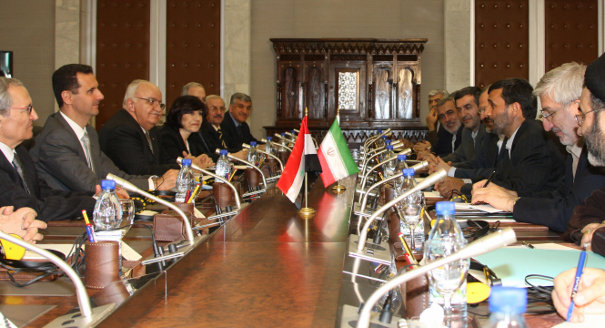
Syria is too important as an Iranian ally for Tehran to engage in a political transition process that would result in the ousting of the Assad regime.
Source: BBC


Senior Fellow, Middle East Program
Karim Sadjadpour is a senior fellow at the Carnegie Endowment for International Peace, where he focuses on Iran and U.S. foreign policy toward the Middle East.
Recent Work


Suzanne Maloney, Aaron David Miller, Karim Sadjadpour

Aaron David Miller, Karim Sadjadpour, Robin Wright
Carnegie does not take institutional positions on public policy issues; the views represented herein are those of the author(s) and do not necessarily reflect the views of Carnegie, its staff, or its trustees.

A notable degree of participative democracy has firmly arrived in Europe. But to have more far-reaching impact, democratic deliberation needs to move into a radically new phase.

Richard Youngs

Before the next wave of EU enlargement takes place, the union needs to grapple with thorny questions of how power is distributed among its members.


Emil Sondaj Hansen, Ditte Brasso Sørensen

As the EU confronts profound challenges, several leaders have called for fundamental reform to the union’s model—but only modest, superficial changes have resulted. What if Europe really could be reimagined from zero today: What should such a redesigned European order look like?
Richard Youngs, ed.

When the U.S.-Iran memorandum of understanding was announced, the UK, France, Germany, and Italy declared their readiness to help demine the Strait of Hormuz and lift nuclear sanctions on Tehran. But does Europe need new tools to recover a diplomatic role?

Rym Momtaz, ed.
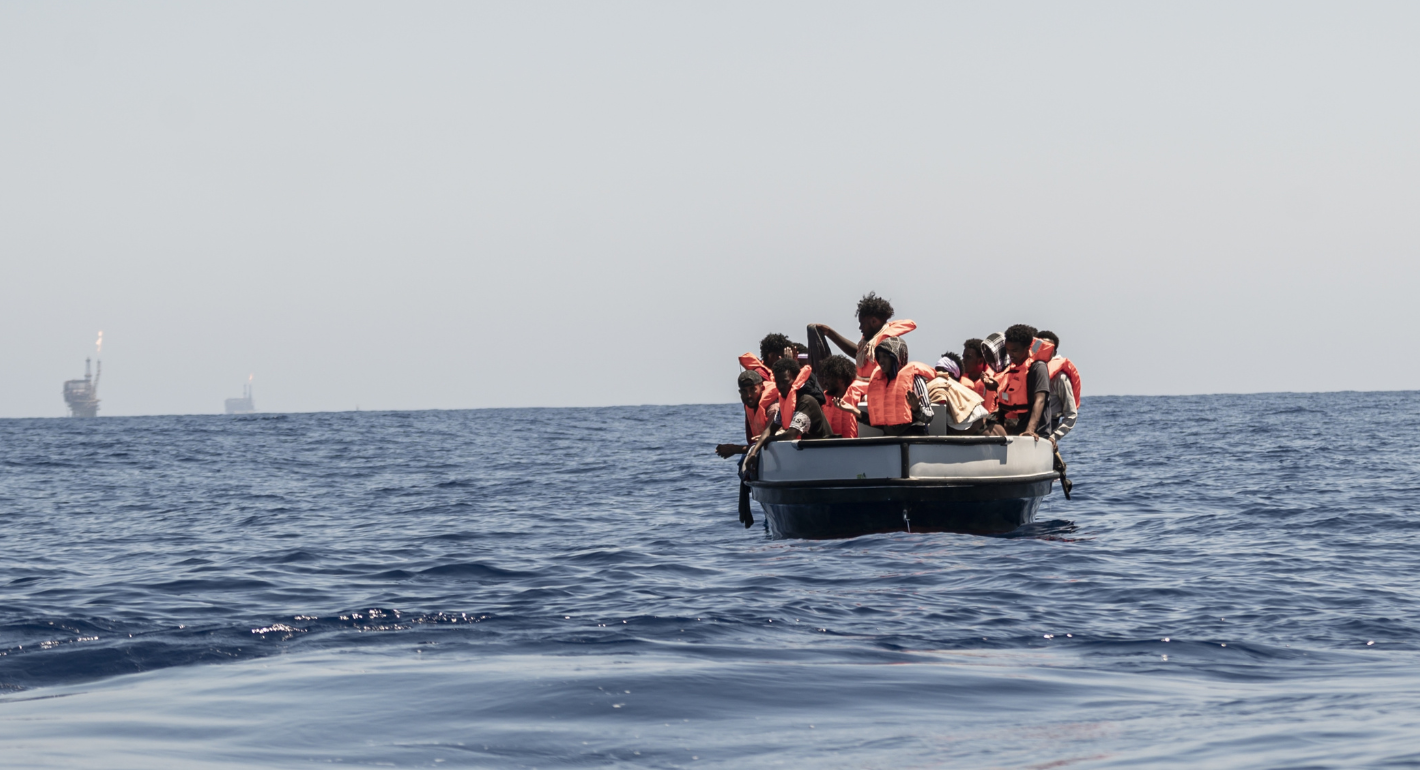
The EU’s new migration policy is not suited to today’s realities. With climate change increasingly becoming a driver of displacement, Europe needs to rethink its deterrence-focused approach.

Shana Tabak