

Article
Frederic Wehrey, Charles H. Johnson
{
  "authors": [
    "Frederic Wehrey"
  ],
  "type": "legacyinthemedia",
  "centerAffiliationAll": "dc",
  "centers": [
    "Carnegie Endowment for International Peace"
  ],
  "collections": [
    "Arab Awakening"
  ],
  "englishNewsletterAll": "menaTransitions",
  "nonEnglishNewsletterAll": "",
  "primaryCenter": "Carnegie Endowment for International Peace",
  "programAffiliation": "MEP",
  "programs": [
    "Middle East"
  ],
  "projects": [],
  "regions": [
    "North Africa",
    "Libya"
  ],
  "topics": [
    "Political Reform",
    "Security"
  ]
}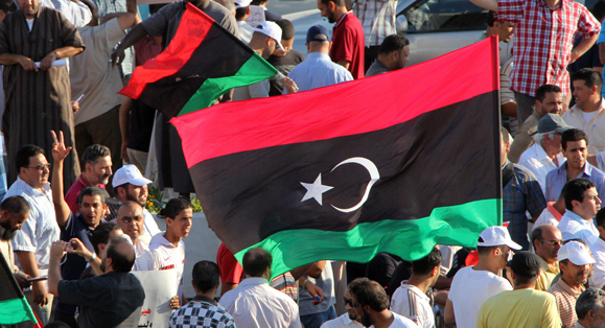
Source: Getty
The ultimate solution to the security challenges in Libya resides in improved governance and the construction of a cohesive national army.
Source: CNN International
In the wake of the attack on the U.S. consulate and the killing of four American citizens, including Ambassador Chris Stevens, the Libyan government has ordered all militias within the country to disband. Appearing on CNN International, Frederic Wehrey noted that this decision is “a positive signal, but will be a very long process.” In a sort of devil’s bargain, the Libyan government has subsidized these militias in the absence of a cohesive police force or army. “It is difficult to imagine these militias simply disarming or demobilizing and they should not be incorporated into the army and allowed to maintain their cohesion and identity,” asserted Wehrey. Indeed, the most effective mechanisms for ensuring these militias disband is to incentivize the young men that went to war against Qaddafi to go to school, receive vocational training or join the army as individuals. With the dust hardly settled and little answers, any linkages between the Salafi militias suspected in taking part in the attacks and al-Qaeda remain tenuous. Ultimately, Wehrey said, “This is a Libyan problem that needs to be addressed through government reform and the building of an army. The solution is better governance.”
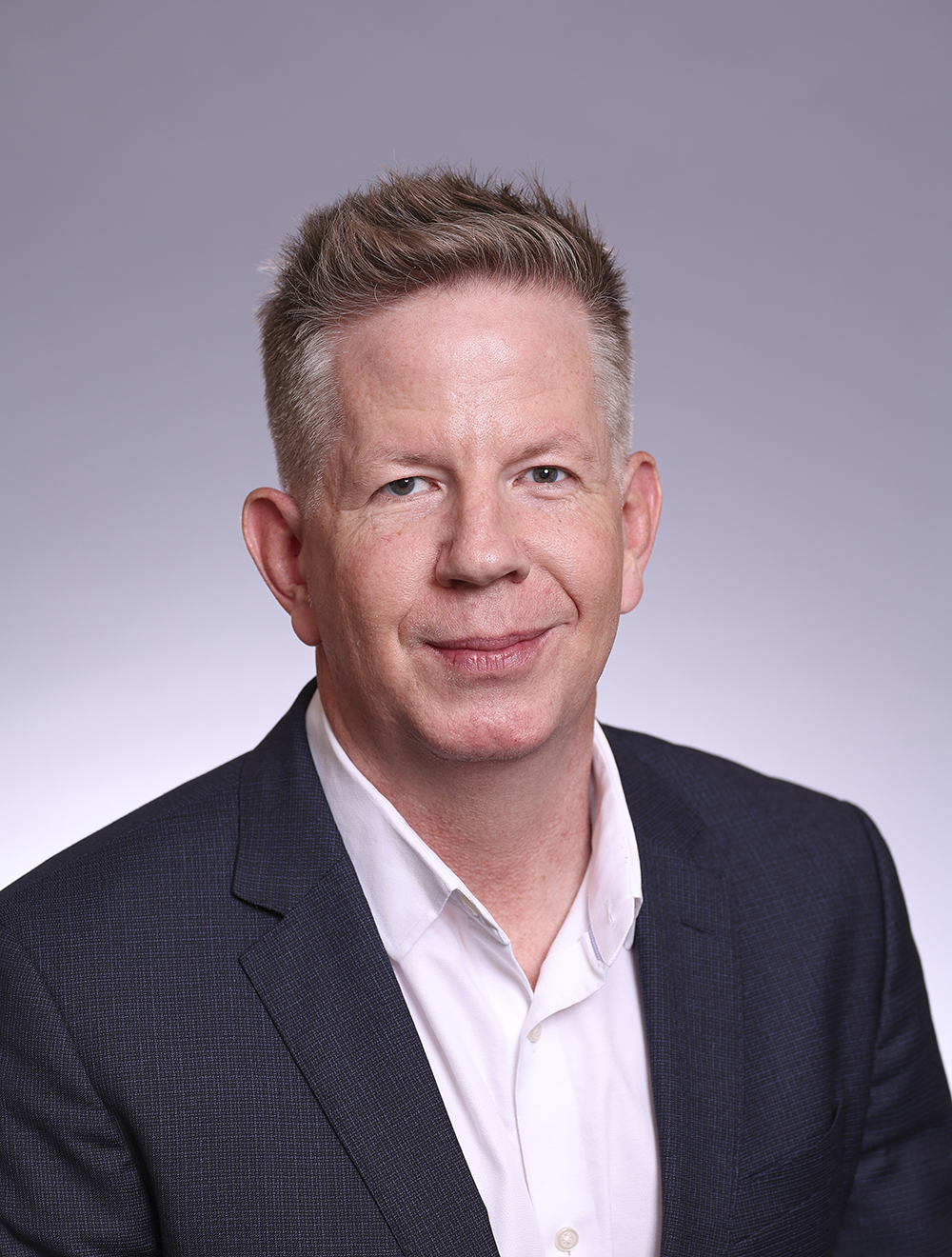
Senior Fellow, Middle East Program
Frederic Wehrey is a senior fellow in the Middle East Program at the Carnegie Endowment for International Peace, where his research focuses on governance, conflict, and security in Libya, North Africa, and the Persian Gulf.
Recent Work
Frederic Wehrey, Charles H. Johnson
Frederic Wehrey, Charles H. Johnson
Carnegie does not take institutional positions on public policy issues; the views represented herein are those of the author(s) and do not necessarily reflect the views of Carnegie, its staff, or its trustees.
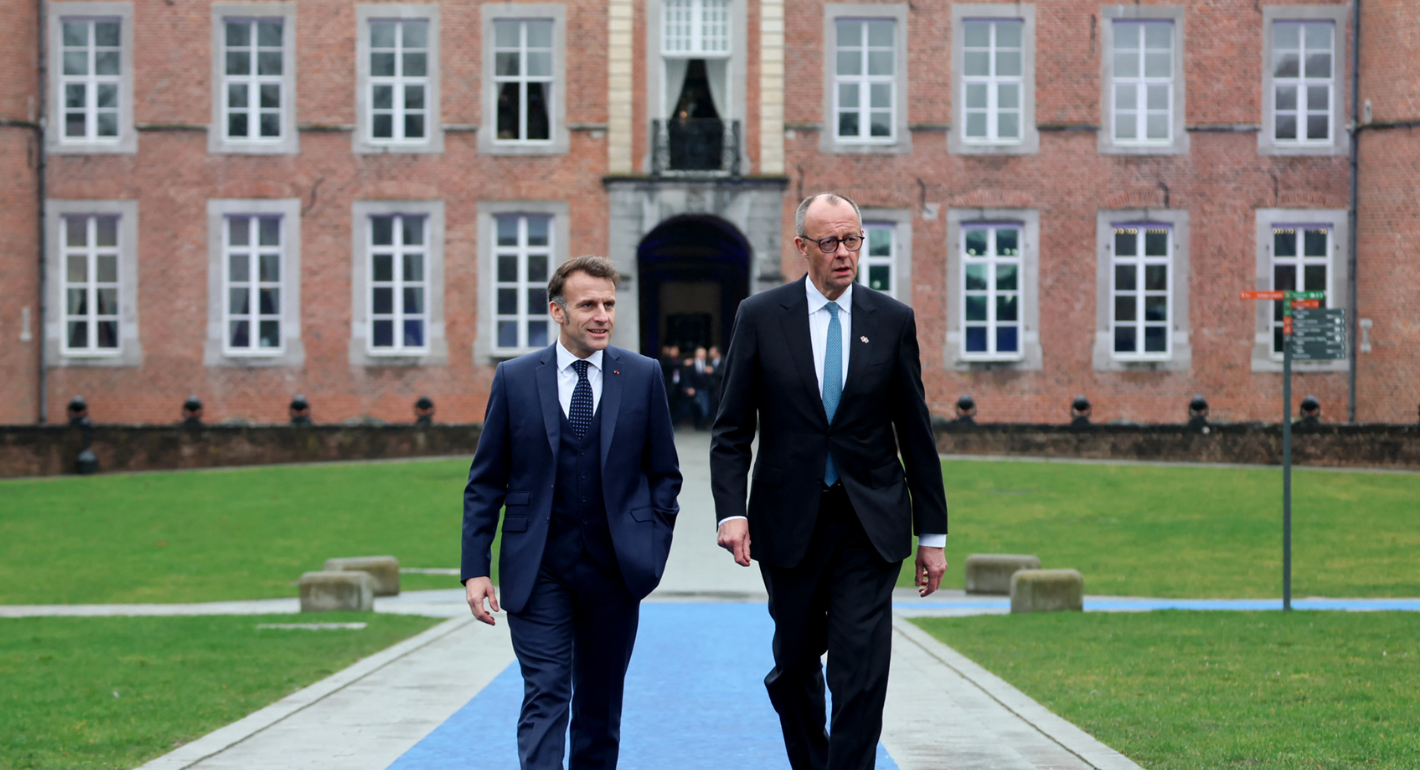
The Franco-German relationship is on the rocks again. But unlike previous moments of tension, the epochal changes on the world stage require that both step up investment in their bilateral ties.

Rym Momtaz

The EU is putting together a new security strategy to meet today’s myriad challenges. But for any proposal to be effective, the union needs to grapple with its identity and ambitions.

Pierre Vimont

The EU’s new migration policy is not suited to today’s realities. With climate change increasingly becoming a driver of displacement, Europe needs to rethink its deterrence-focused approach.

Shana Tabak
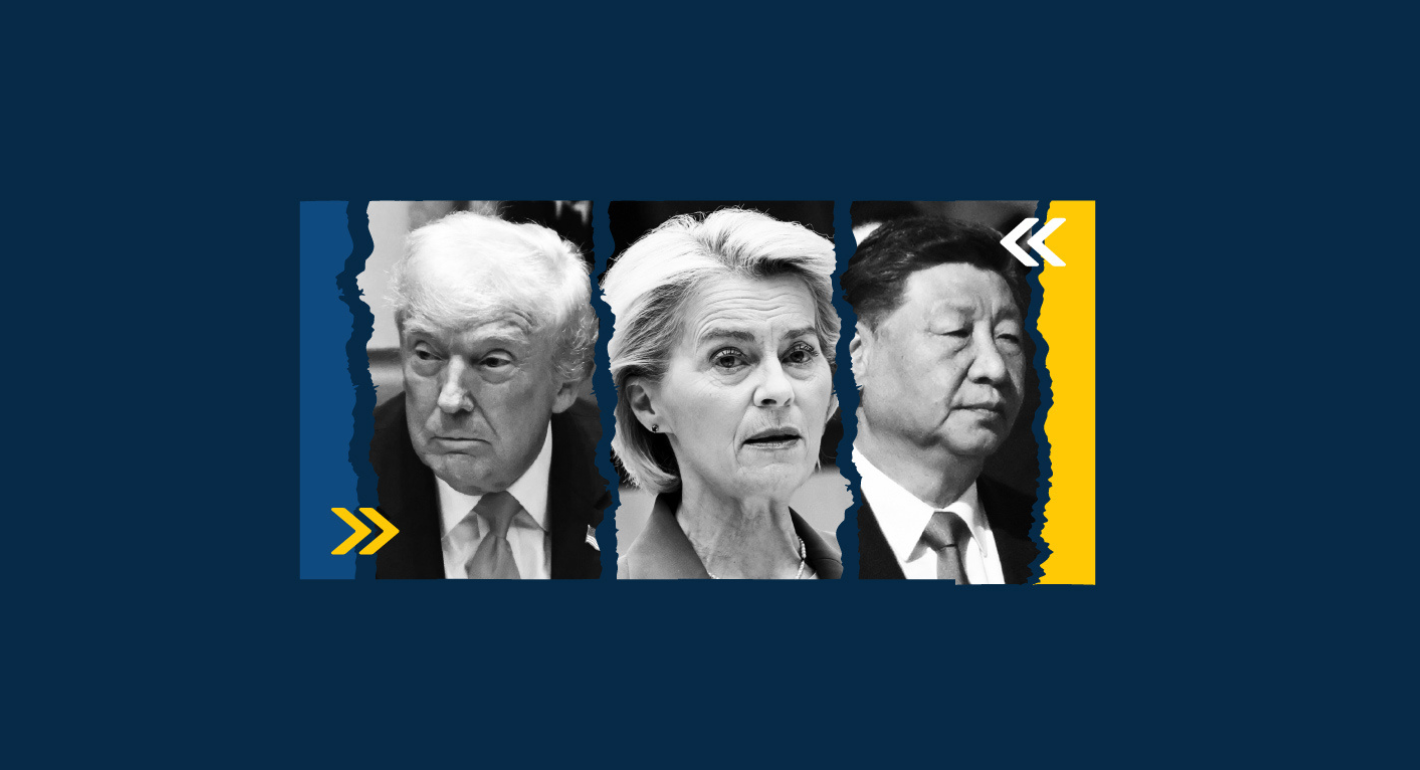
Between the United States’ market-driven approach and China's state-led industrial strategy, Europe is reckoning with how it can remain competitive in the global economy. But is Europe in danger of becoming a U.S. or China colony?
Noah Barkin, Anu Bradford
Preparing candidate countries for EU membership is no longer enough. As the enlargement process becomes a reality, the union must also prepare its own societies.

Iliriana Gjoni